Why It Matters
Closing the GeoAI‑humanitarian gap can dramatically improve response speed, resource allocation, and ultimately save lives in crises.
Key Takeaways
- •GeoAI accelerates disaster assessment and early warning
- •Humanitarian users need offline, low‑bandwidth tools
- •Clear uncertainty communication builds operational trust
- •Integration with existing workflows is critical for adoption
- •Field validation required to move from prototype to practice
Pulse Analysis
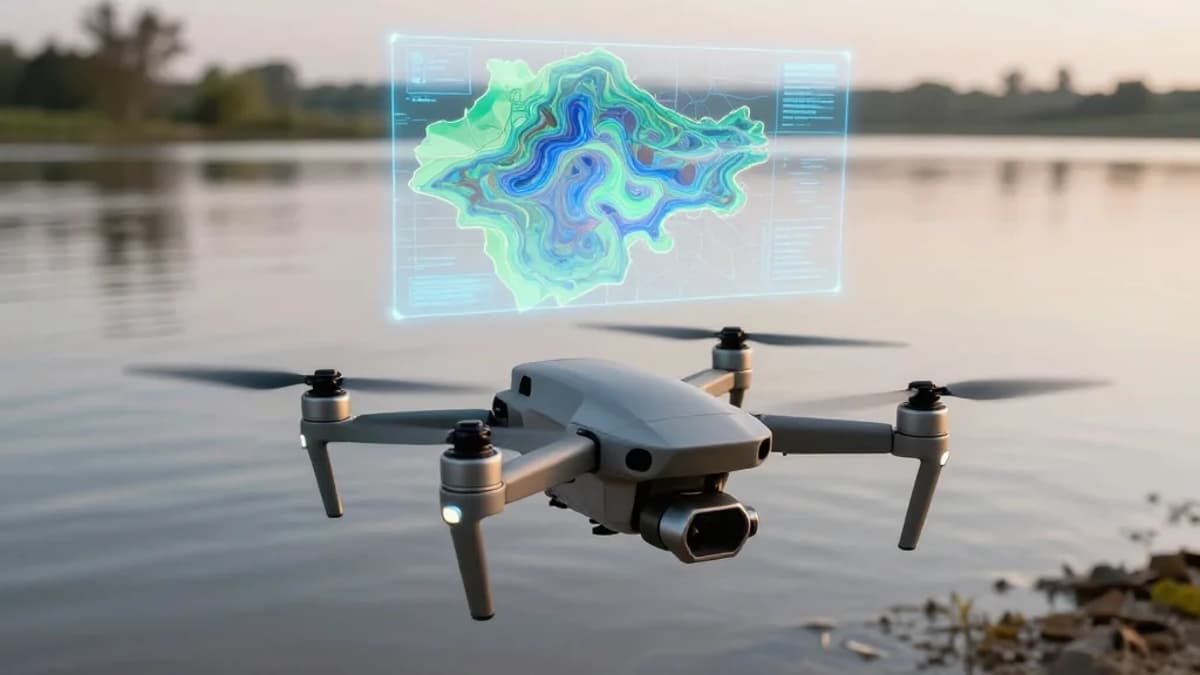
Geospatial AI has rapidly moved from academic labs to the front lines of disaster response, leveraging satellite imagery, sensor networks, and machine‑learning algorithms to generate actionable insights within hours of an event. By combining spatial analytics with AI, organizations can predict flood extents, map displaced populations, and assess infrastructure damage at unprecedented scale. These capabilities align with the growing demand for data‑driven decision‑making in humanitarian operations, where timely information can dictate the difference between effective aid delivery and missed opportunities.
Despite its promise, GeoAI faces significant non‑technical barriers that hinder widespread adoption. Humanitarian teams often operate in low‑connectivity environments, requiring tools that function offline and on modest hardware. Moreover, models that emphasize raw accuracy without communicating uncertainty can erode trust among field workers who must make life‑critical choices. Integration challenges arise when new systems do not mesh with existing coordination platforms, leading to duplicated effort and resistance. Transparency, reproducibility, and on‑the‑ground validation are therefore essential to bridge the research‑practice divide.
To unlock GeoAI’s full potential, stakeholders must co‑design solutions with end‑users, prioritize user‑friendly interfaces, and embed uncertainty metrics directly into visual outputs. Partnerships between academia, NGOs, and technology firms can facilitate field trials that test models under real‑world constraints, fostering iterative improvement. As standards for data sharing and ethical AI mature, GeoAI is poised to become a cornerstone of humanitarian strategy, delivering faster, more accurate, and trustworthy intelligence that can save lives and optimize limited resources.
The GeoAI for Humanitarian
0
Comments
Want to join the conversation?
Loading comments...