Why It Matters
Cable concentration creates a single point of failure that could derail the Gulf’s AI‑driven economic transformation, threatening both revenue from compute exports and broader digital stability. Diversifying routes is now a strategic imperative for attracting and retaining hyperscale cloud providers.
Key Takeaways
- •Gulf AI projects rely on only a few undersea cables
- •Cable disruptions could cost billions and stall compute exports
- •Hyperscalers demand multiple independent paths for latency and survivability
- •New terrestrial and subsea routes aim to bypass Red Sea chokepoints
- •Regional politics make cable diversification a strategic priority
Pulse Analysis
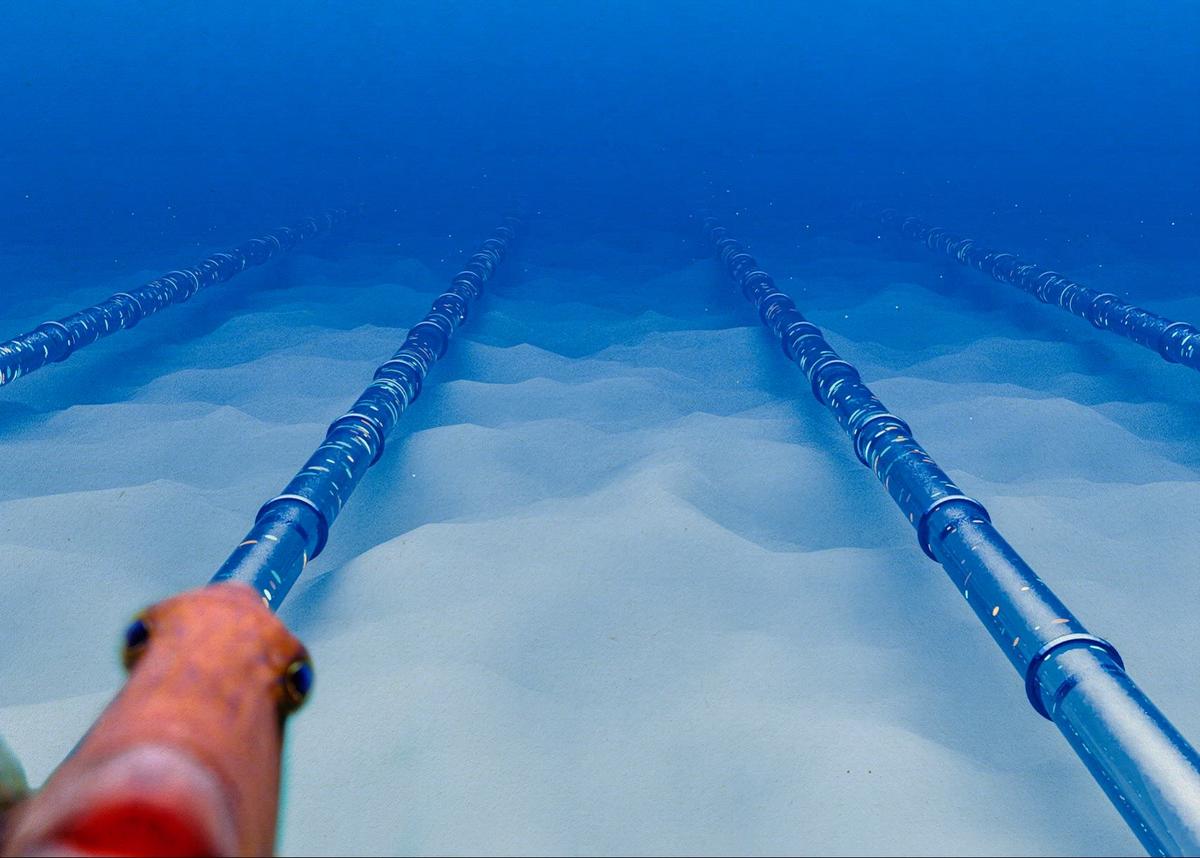
The Middle East’s AI ambitions are built on billions of dollars in data‑center construction and incentives to lure hyperscale cloud providers. Yet the region’s digital backbone still funnels most traffic through a narrow set of subsea cables crossing the Red Sea and the Strait of Hormuz. Those conduits, while essential for linking Gulf compute capacity to Europe and the United States, are exposed to geopolitical friction, maritime incidents, and physical sabotage, making them a strategic vulnerability for an economy pivoting from oil to AI services.
The financial impact of a single cable failure became starkly evident in 2025 when two Red Sea links were severed, disrupting Gulf internet services for days and inflicting roughly $3.5 billion in lost revenue. Hyperscalers such as Microsoft, Google, and Amazon now demand the same resilience standards they enjoy on trans‑Atlantic routes—multiple physically diverse paths, predictable latency, and survivability under stress. Gulf operators are therefore rolling out a three‑layer connectivity strategy: domestic landing stations linked by terrestrial fiber across Saudi Arabia, the UAE, and Oman; new subsea‑terrestrial hybrids that skirt traditional chokepoints; and overland corridors through Iraq, Syria, and Turkey that could host up to 144 fiber pairs, vastly expanding capacity.
Beyond the immediate technical challenges, cable diversification carries profound geopolitical weight. By reducing reliance on routes that pass through contested waterways, Gulf states can mitigate the risk of external coercion and signal to global investors that their AI infrastructure is robust. However, regulatory hurdles, regional instability, and the high cost of laying new fiber mean progress will be incremental. Stakeholders must balance speed with security, fostering public‑private partnerships that align national digital strategies with the resilience expectations of the world’s largest cloud providers.
The Gulf’s AI Boom Has an Undersea Cable Problem
Comments
Want to join the conversation?
Loading comments...