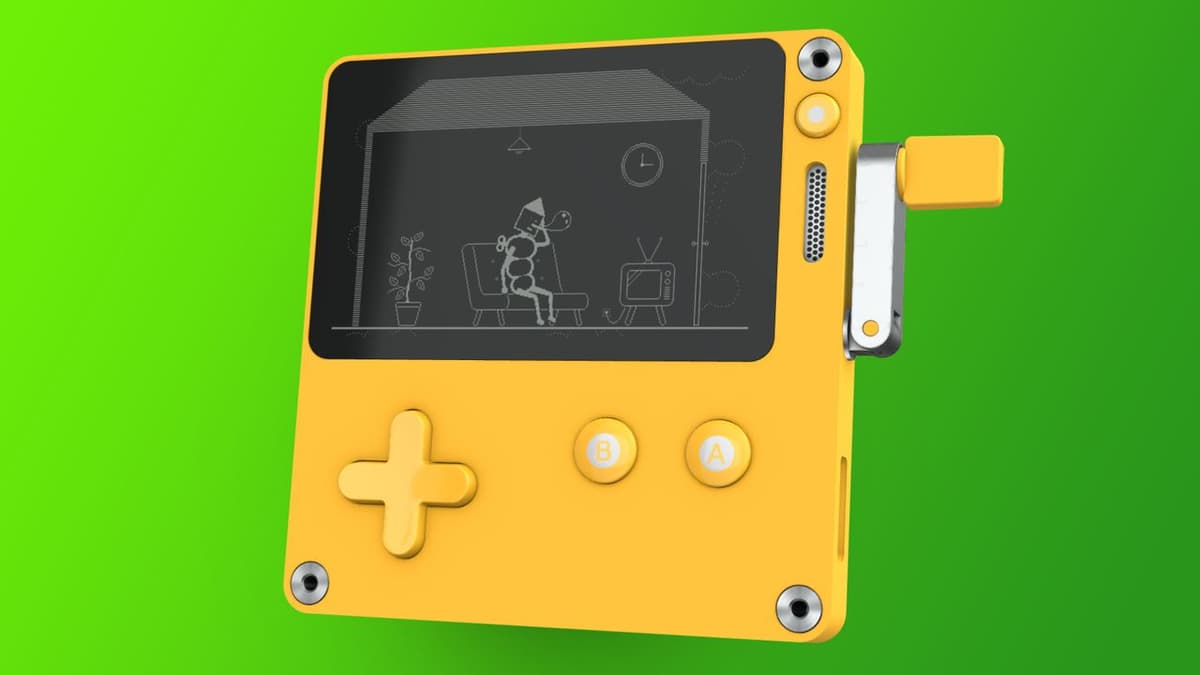
The Makers of Playdate, the Console-with-a-Crank, Will No Longer Accept Games Created with Generative AI
Companies Mentioned
Why It Matters
The restriction signals growing industry caution over AI‑generated content, potentially reshaping how indie developers approach game creation for niche platforms. It also highlights the tension between creative efficiency and authenticity in the gaming market.
Key Takeaways
- •Playdate bans AI‑generated art, audio, text, and dialogue in new games
- •Existing AI‑enhanced titles stay listed but will be flagged with disclosures
- •Custom enemy AI code remains permissible under the new policy
- •Developers urged to seek human collaborators via Discord and forums
- •Policy reflects industry debate over generative AI’s impact on creativity
Pulse Analysis
The Playdate console, known for its quirky crank controller and indie‑first ethos, has taken a definitive stance against generative AI in new game submissions. By defining the ban to cover large language models, image generators, and audio synthesis tools, Panic Inc. draws a clear line between automated content creation and handcrafted gameplay elements. This move protects the device’s reputation for curated, artist‑driven experiences while still allowing developers to implement traditional AI routines, such as path‑finding or enemy behavior, that do not produce consumer‑facing assets.
For indie studios and solo creators, the policy presents both a hurdle and an opportunity. On one hand, AI tools have lowered barriers to entry by providing affordable art, music, and narrative assets, especially for a platform with limited commercial reach. On the other hand, the forced reliance on human collaborators may foster deeper community ties, as developers are directed toward the Playdate Squad Discord and forums for assistance. This could lead to richer, more diverse portfolios that reflect genuine creative input, potentially increasing the platform’s long‑term appeal to a dedicated niche audience.
The broader gaming industry is watching the Playdate decision as a microcosm of the AI debate. While major publishers experiment with AI‑enhanced pipelines, smaller ecosystems are grappling with authenticity versus efficiency. Panic’s approach may inspire similar policies on other boutique platforms, prompting a reevaluation of how generative AI is credited, disclosed, and regulated. As the conversation evolves, developers will need to balance innovative tooling with the expectations of players who value originality and transparency in their gaming experiences.
The makers of Playdate, the console-with-a-crank, will no longer accept games created with generative AI
Comments
Want to join the conversation?
Loading comments...