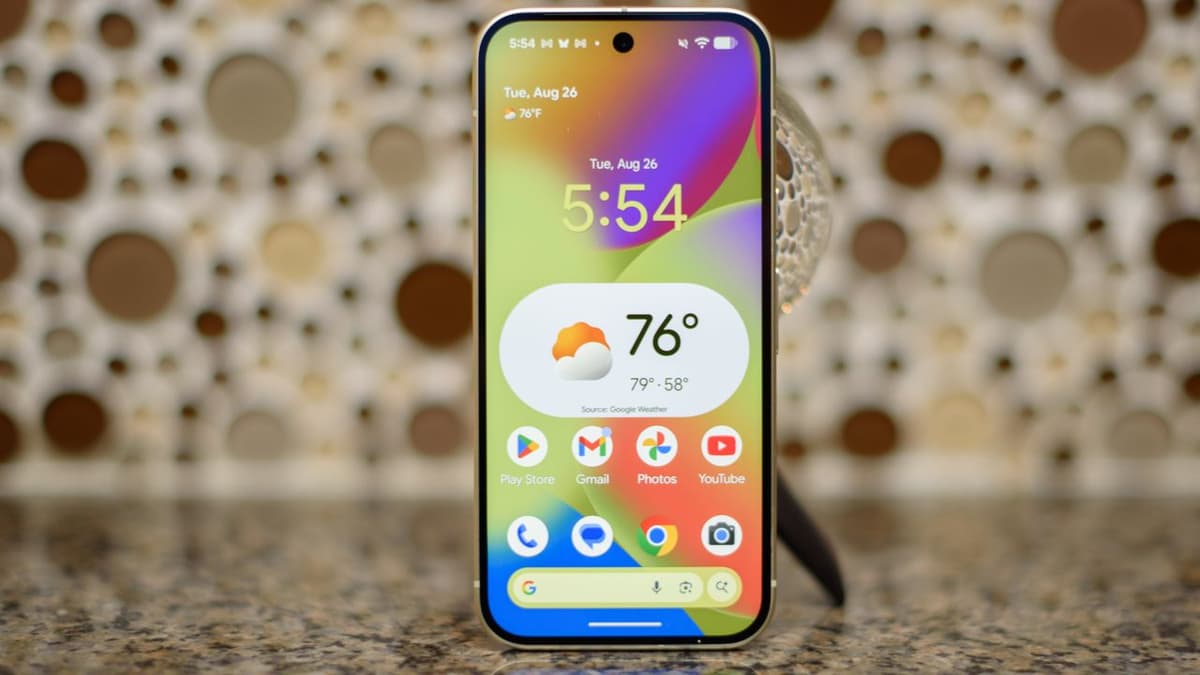
The Next Android 16 Update Has Landed – Here Are the 7 Biggest Features
•December 2, 2025
0
Companies Mentioned

Why It Matters
By embedding AI summarisation and robust parental tools directly into the OS, Google strengthens Pixel’s value proposition and sets new expectations for Android’s user experience and safety standards.
Key Takeaways
- •AI notification summaries reduce inbox overload.
- •New parental controls give families tighter screen‑time management.
- •Dark theme enhancements improve battery life on Pixel phones.
- •Call Reason flags urgent calls for faster response.
- •Accessibility upgrades add Gemini‑driven dictation and hearing‑aid support.
Pulse Analysis
Google’s latest Android 16 rollout pushes AI deeper into everyday interactions, beginning with notification summaries that condense messages into bite‑size previews. By leveraging the Gemini large‑language model, the system can parse text from dozens of apps and surface the most relevant information, echoing iOS’s recent summarisation tools while retaining Android’s open ecosystem. Early user feedback suggests the feature trims time spent scrolling through alerts, though occasional context errors remind developers that AI still needs refinement. For power users, this AI layer promises a more streamlined notification experience across the growing portfolio of Android devices.
The update also introduces a dedicated parental‑controls hub, reflecting Google’s response to increasing demand for digital‑wellness tools. Parents can now set daily screen‑time caps, schedule downtime, and lock specific apps behind a PIN, giving families granular oversight without third‑party apps. This built‑in solution aligns with emerging regulatory pressures in Europe and the United States that encourage manufacturers to embed safety features directly into operating systems. By offering these controls out‑of‑the‑box, Google strengthens its position in the family market and differentiates Pixel devices from competing Android OEMs.
Beyond AI and safety, Android 16 refines visual customization and accessibility. New icon‑shape options and automatic theming create a cohesive look, while expanded dark‑theme support darkens previously light‑only apps, cutting power draw on OLED screens. Accessibility gains include Gemini‑driven smart dictation, voice‑activated Voice Access, and Fast Pair compatibility for hearing‑aid brands, signaling Google’s broader push toward inclusive design. These enhancements not only improve user satisfaction but also set a higher baseline for future Android releases, encouraging OEMs to adopt similar features to stay competitive in a crowded market.
The next Android 16 update has landed – here are the 7 biggest features
0
Comments
Want to join the conversation?
Loading comments...