Why It Matters
AI fashion models could reshape advertising spend and creative workflows while forcing regulators and industry bodies to address new intellectual‑property and ethical standards.
Key Takeaways
- •Brands cut costs using AI-generated models.
- •AI models enable instant global campaign variations.
- •Legal frameworks lag behind AI model usage.
- •Ethical debates focus on representation and labor displacement.
- •Consumer perception shifts toward synthetic imagery.
Pulse Analysis
The fashion industry’s adoption of artificial‑intelligence‑driven models reflects broader digital transformation trends. Powered by generative adversarial networks and photorealistic rendering, these virtual figures can be customized in milliseconds, eliminating the need for physical photoshoots, travel, and wardrobe logistics. Early adopters report up to 70% reductions in campaign budgets and the ability to test dozens of looks simultaneously, giving brands unprecedented agility in a fast‑moving market.
From a business perspective, AI models unlock creative possibilities that were previously impractical. Designers can experiment with impossible body types, exotic locales, or futuristic fabrics without additional cost, while marketers can tailor visuals to specific demographics in real time. This scalability appeals to e‑commerce platforms seeking hyper‑personalized content, and to luxury houses aiming to maintain a constant stream of fresh imagery across global channels. The technology also democratizes high‑quality visual production for smaller labels lacking traditional runway resources.
Nevertheless, the rise of synthetic models triggers complex legal and ethical challenges. Copyright ownership of AI‑generated likenesses remains ambiguous, and existing image‑right statutes struggle to accommodate non‑human subjects. Advocacy groups warn that replacing human models may exacerbate job displacement and perpetuate narrow beauty standards if algorithms inherit biased training data. Regulators are beginning to explore disclosure requirements, ensuring consumers recognize when imagery is fabricated. Balancing innovation with responsible governance will determine whether AI fashion models become a sustainable industry staple or a fleeting novelty.
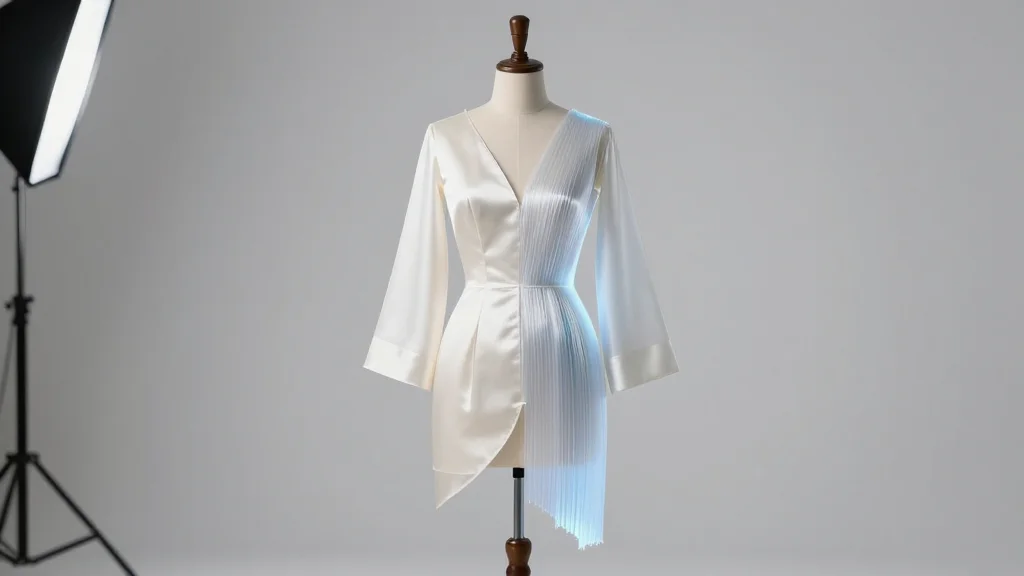
The rise of AI fashion models
Comments
Want to join the conversation?
Loading comments...