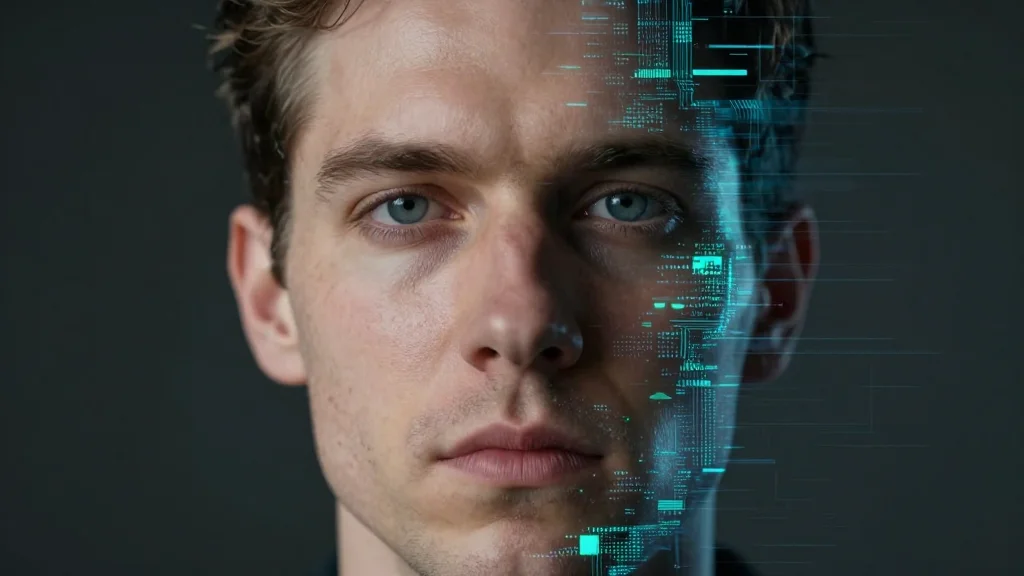
The Rise of Deepfakes and How to Stop Them
Why It Matters
Deepfakes threaten financial security, political stability, and brand reputation, making rapid detection and policy responses essential for market confidence.
Key Takeaways
- •Deepfake tools now accessible to non‑experts
- •Scammers deploy synthetic videos for financial fraud
- •Detection algorithms target biometric inconsistencies in media
- •Regulators mandate labeling of AI‑generated content
- •Industry adopts watermarking and authentication standards
Pulse Analysis
The democratization of deepfake creation has shifted the technology from a niche research curiosity to a mainstream threat. Open‑source models and mobile apps now enable users with minimal technical skill to produce hyper‑realistic face swaps and voice‑cloned videos. This accessibility lowers the barrier for malicious actors, who can craft persuasive scams, impersonate executives, or fabricate political statements with unprecedented speed. As the volume of synthetic media surges, businesses and consumers alike face a growing challenge in distinguishing truth from manipulation.
Beyond financial fraud, deepfakes jeopardize brand integrity and democratic processes. Fraudsters have already used fabricated video calls to authorize wire transfers, while political operatives experiment with falsified speeches to sway public opinion. The erosion of visual trust forces companies to invest in advanced detection solutions that analyze pixel‑level artifacts, physiological cues, and inconsistencies in audio‑visual sync. Meanwhile, AI researchers are developing watermarking protocols that embed invisible signatures into generated content, enabling rapid verification without compromising creative workflows.
Policymakers and industry groups are converging on a multi‑layered defense strategy. New regulations in the EU and US require clear labeling of AI‑generated media, and platforms are implementing automated filters to flag suspicious uploads. Standards bodies are drafting interoperable authentication frameworks, encouraging content creators to adopt provenance metadata. For enterprises, the priority is integrating detection tools into security pipelines, training staff to recognize deepfake cues, and establishing incident response plans. By aligning technology, law, and awareness, the market can mitigate deepfake risks while preserving the innovative potential of synthetic media.
The rise of deepfakes and how to stop them
Comments
Want to join the conversation?
Loading comments...