Why It Matters
The trend underscores that human tutoring remains a vital component of learning outcomes, limiting AI’s ability to fully automate education and preserving demand for skilled educators.
Key Takeaways
- •Tuition enrolments rising ~30% annually despite AI tools
- •Teachers provide real‑time feedback AI cannot replicate
- •AI misinterprets handwritten symbols, leading to errors
- •Overreliance on AI hampers critical thinking development
- •Effective learning blends teacher guidance with AI scaffolding
Pulse Analysis
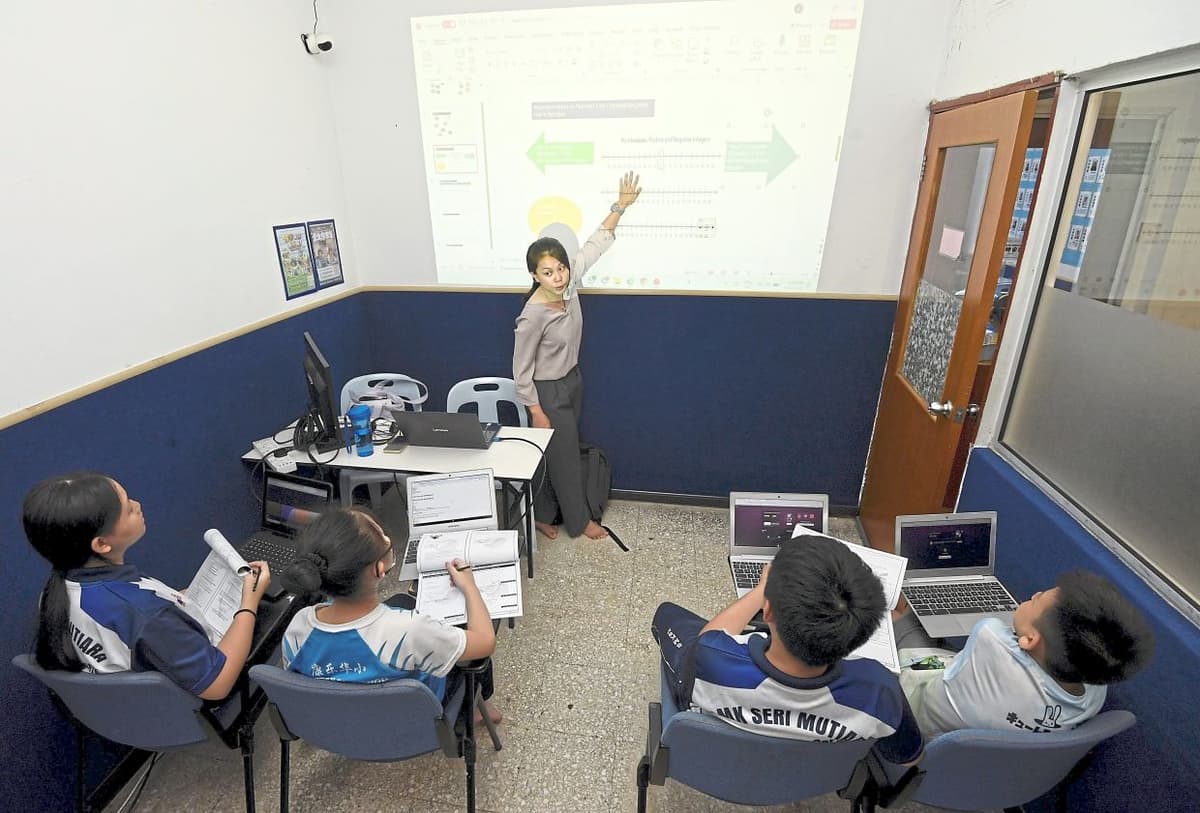
The private tuition market in Malaysia is booming, with centres reporting year‑over‑year growth of roughly 30 percent. This surge reflects parents’ and students’ desire for structured, face‑to‑face support that can adapt to individual learning styles. Even as AI chatbots promise instant answers, the data shows that demand for human instructors remains robust, especially in subjects like mathematics and English where nuanced explanation matters.
AI’s appeal lies in speed, but its limitations are stark in an educational context. Handwritten equations often confuse language models, producing inaccurate or nonsensical results. Moreover, AI cannot gauge a learner’s confidence, detect misconceptions, or provide the motivational nudges that keep students engaged. Teachers at centres in Seri Kembangan, Kuala Lumpur, and Serdang report that students who rely solely on AI miss out on critical reasoning practice, undermining long‑term skill development. The human element—observing body language, tailoring examples, and fostering curiosity—remains irreplaceable.
Looking ahead, the most effective strategy blends AI’s scaffolding capabilities with seasoned pedagogy. Educators recommend using AI for supplemental explanations or practice problems while maintaining teacher‑led sessions for concept mastery and feedback. Policy makers and school administrators should invest in professional development that equips teachers to integrate AI responsibly, ensuring technology enhances rather than erodes critical thinking. This hybrid model promises to preserve the teacher’s central role while leveraging AI’s efficiency, ultimately delivering richer learning outcomes.
The teacher still beats AI
0
Comments
Want to join the conversation?
Loading comments...