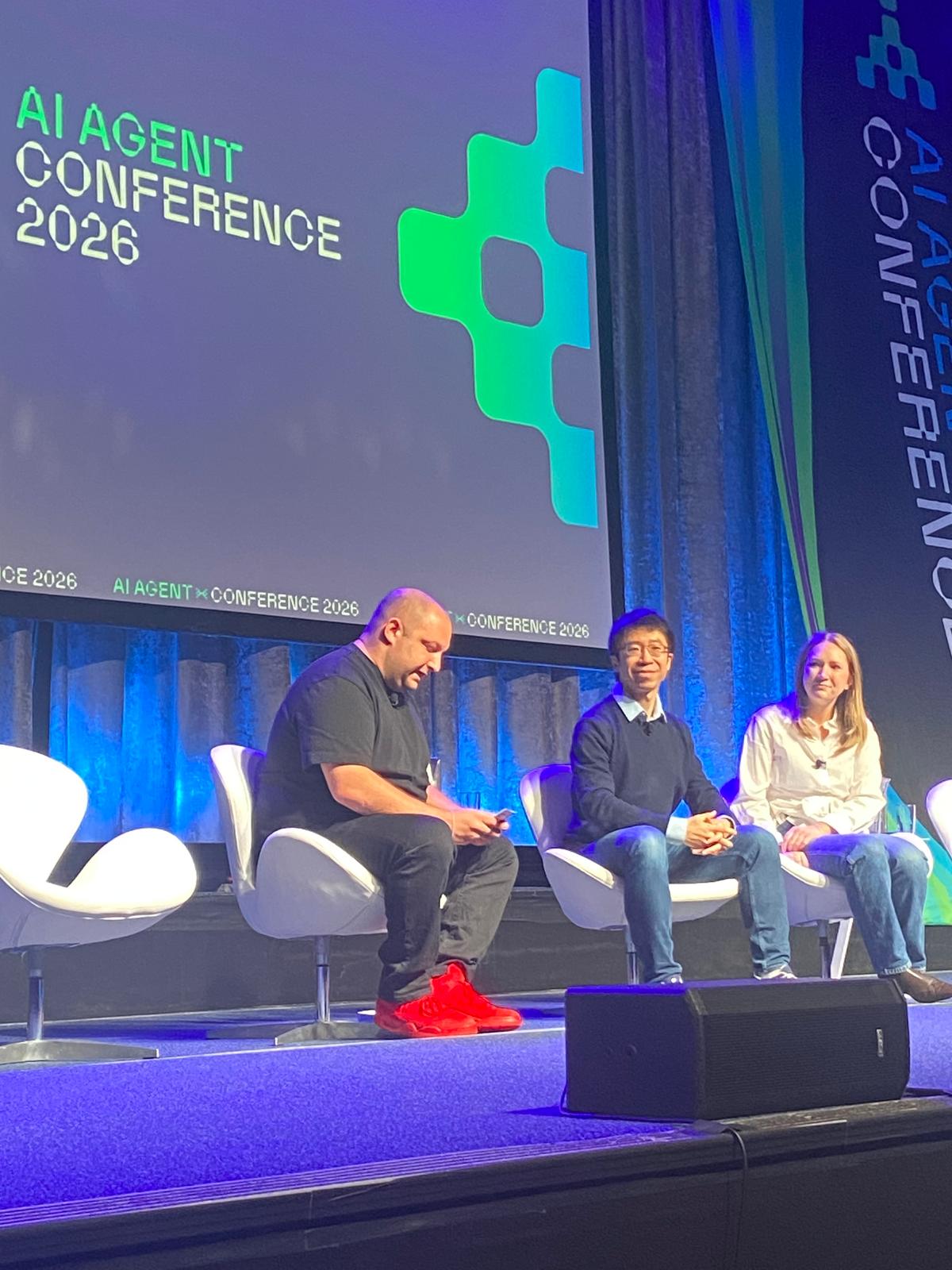
‘There Were a Lot of Naysayers’: Half of T-Mobile’s Customer Calls Are Now AI — And That’s Just the Beginning
Why It Matters
By shifting routine inquiries to AI, T‑Mobile reduces call‑center costs and frees human agents for complex cases, sharpening its competitive edge in a crowded telecom market. The proactive model also sets a new benchmark for customer experience across the industry.
Key Takeaways
- •Voice AI handles half of T‑Mobile support calls
- •200,000 AI-driven interactions occur daily
- •AI aims to eliminate need for human calls
- •T‑Life app lets seniors shop via AI
- •30‑person AI team operates like a startup
Pulse Analysis
The telecom sector has long wrestled with high call‑center volumes and costly human support. T‑Mobile’s aggressive rollout of voice AI marks a decisive pivot toward automation that mirrors broader industry trends, where carriers are leveraging large‑language models to cut operational expenses and improve service speed. By integrating AI at the front line of customer contact, T‑Mobile not only reduces average handling time but also gathers real‑time data to refine network performance and product offerings.
At the heart of the initiative is a proactive philosophy: AI anticipates friction points and resolves them before customers notice a problem. The voice AI platform now answers roughly 50% of inbound calls, handling routine tasks such as plan changes, device troubleshooting, and billing inquiries. This shift allows human agents to focus on high‑complexity or emotionally charged interactions, improving overall satisfaction scores. The internal AI team, a lean group of about 30 engineers, functions like a startup, iterating quickly and partnering with external firms that share T‑Mobile’s customer‑centric ethos.
Looking ahead, the implications extend beyond cost savings. If T‑Mobile can truly make support calls “invisible,” it could redefine the standard for consumer expectations in wireless services, prompting rivals to accelerate their own AI investments. However, the strategy also raises challenges around data privacy, AI bias, and the need for seamless handoffs to human agents when issues exceed automated capabilities. Successfully navigating these hurdles will determine whether T‑Mobile’s AI‑first model becomes a sustainable competitive advantage or a fleeting experiment.
‘There Were a Lot of Naysayers’: Half of T-Mobile’s Customer Calls Are Now AI — And That’s Just the Beginning
Comments
Want to join the conversation?
Loading comments...