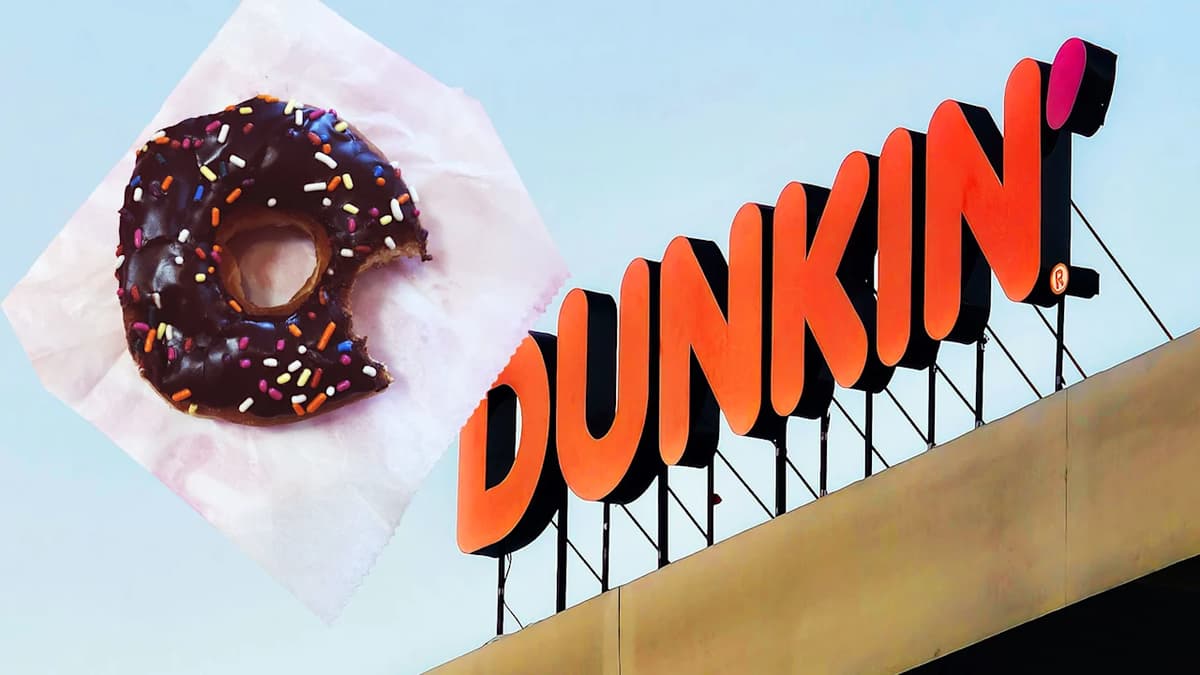
This Dunkin’ Franchisee Is Using AI to Track Inventory and Predict Donut Demand
•February 9, 2026
0
Why It Matters
The deployment proves AI can deliver measurable cost reductions and inventory precision in fast‑service food, a sector traditionally reliant on manual forecasting. It signals a scalable model for waste reduction across multi‑unit restaurant operations.
Key Takeaways
- •Do'Cast uses cameras and predictive analytics for donut inventory
- •Waste reduced up to 25%, saving $1.5M yearly
- •Forecasts consider weather, holidays, events, sales trends
- •99 Dunkin' stores benefit from real‑time demand insights
- •AI adoption expands beyond kitchen automation to supply chain
Pulse Analysis
Fast‑service restaurants face chronic waste challenges, especially when perishable items like donuts sit unsold at the end of each day. Across the United States, the cumulative cost of discarded baked goods runs into millions, prompting operators to seek data‑driven solutions. The Dunkin’ franchisee Bluemont Group’s partnership with German‑origin AI specialist PreciTaste illustrates how computer vision combined with demand modeling can transform a routine inventory problem into a strategic advantage. By installing ceiling‑mounted cameras that continuously count displayed items, Do’Cast creates a live inventory feed that feeds into algorithms tuned to historical sales, weather patterns, holidays, and even local sporting events.
The technical core of Do’Cast blends image‑recognition models trained on dozens of donut varieties with time‑series forecasting techniques. Each captured frame is parsed to differentiate an Old Fashioned from a Chocolate Crème, allowing the system to update stock levels in seconds. Simultaneously, the predictive engine adjusts future production recommendations based on external variables such as temperature spikes or a college football game that historically spikes coffee orders. The result is a dynamic product mix that reduces over‑production, trims daily waste by roughly a quarter, and frees staff from manual counts, enabling them to focus on customer service.
Beyond immediate cost savings, the initiative showcases a broader shift toward AI‑enabled supply chain optimization in the quick‑service sector. With a clear ROI—over $1.5 million saved annually—the model is poised for replication across other franchise networks and menu categories. As AI becomes more accessible, restaurants can expect tighter inventory control, lower environmental impact, and enhanced profitability, reinforcing the strategic importance of digital transformation in foodservice operations.
This Dunkin’ franchisee is using AI to track inventory and predict donut demand
0
Comments
Want to join the conversation?
Loading comments...