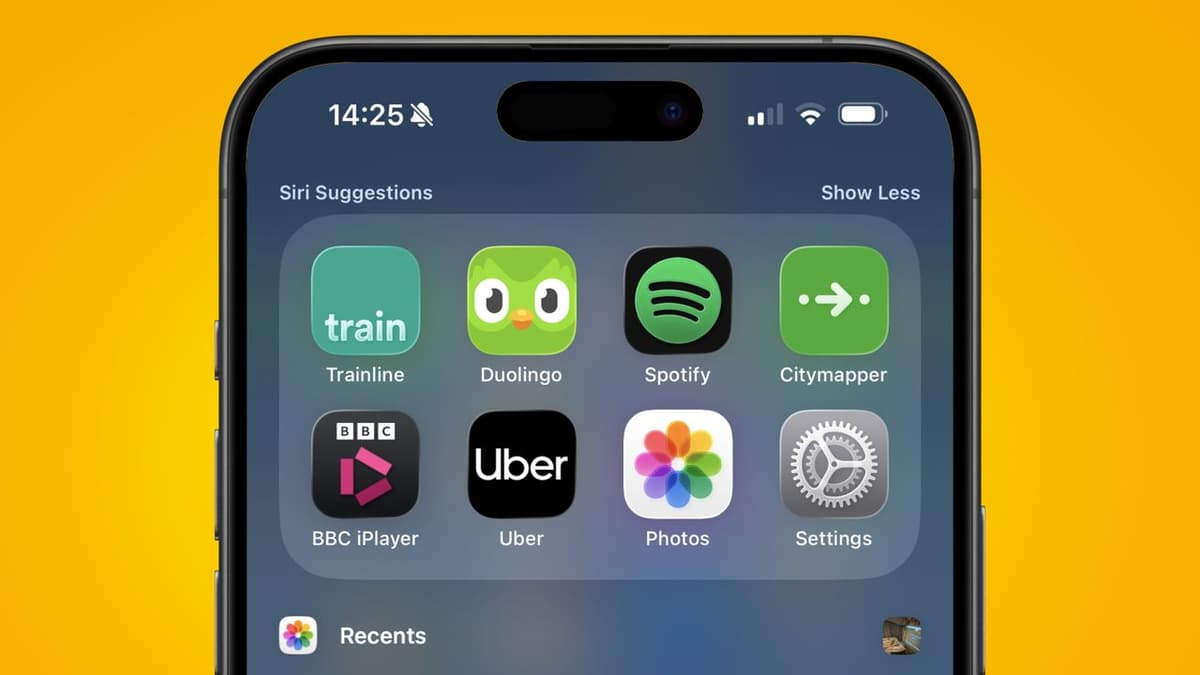
This Underrated Siri Feature Proves Apple Can Do AI – but the iPhone’s Voice Assistant Still Needs a Drastic Makeover in 2026
•December 22, 2025
0
Companies Mentioned


Why It Matters
Siri Suggestions demonstrates that incremental AI can boost iPhone productivity, but Apple’s lag in conversational AI risks eroding its competitive edge as rivals roll out richer assistants.
Key Takeaways
- •Siri Suggestions predicts apps with ~90% accuracy.
- •Feature runs across Search, Mail, Home, Lock screens.
- •Apple’s AI lags behind Google and Samsung generative tools.
- •Improvements rely on on-device ML, not cloud AI.
- •Siri 2.0 overhaul expected by 2026.
Pulse Analysis
Siri Suggestions is a quiet yet powerful illustration of Apple’s on‑device machine‑learning strategy. By continuously analyzing usage patterns, location data, and contextual cues, the feature surfaces the most relevant apps and actions without sending personal data to the cloud. This approach aligns with Apple’s privacy‑first narrative and delivers tangible time‑savings for users, reinforcing the brand’s reputation for seamless integration across iOS touchpoints.
In contrast, competitors such as Google and Samsung have leveraged large language models and generative AI to create headline‑grabbing features—Magic Eraser, Live Translate, and AI‑driven image synthesis. These tools capture consumer imagination but often rely on cloud processing, raising privacy concerns. Apple’s incremental improvements, like the refined suggestion accuracy, highlight a different philosophy: modest, privacy‑preserving enhancements that improve daily workflows. However, the limited public awareness of such features underscores a marketing gap that allows rivals to dominate the AI narrative.
Looking ahead to 2026, analysts expect Apple to launch a revamped Siri 2.0 that blends on‑device intelligence with selective cloud augmentation. A more conversational assistant could unlock new revenue streams in services, smart home integration, and enterprise productivity. For businesses, a robust Siri platform would mean smoother workflow automation and deeper ecosystem lock‑in, while consumers would benefit from a more intuitive, privacy‑centric voice experience. The success of this overhaul will hinge on Apple’s ability to balance advanced AI capabilities with its core privacy commitments.
This underrated Siri feature proves Apple can do AI – but the iPhone’s voice assistant still needs a drastic makeover in 2026
0
Comments
Want to join the conversation?
Loading comments...