Time to Switch to eSIM? South Korea Will Now Make Consumers Scan Their Faces to Buy a SIM Card and Cut Down on Scams
•December 24, 2025
0
Why It Matters
Stronger identity verification aims to curb voice‑phishing and other telecom fraud, protecting both consumers and carriers from costly scams. The shift also accelerates eSIM adoption, reshaping mobile provisioning standards.
Key Takeaways
- •Facial scan required for new SIM purchases
- •Data breaches affected over half of population
- •eSIM considered safer alternative
- •Carriers must integrate biometric verification
- •Scam reduction expected but friction increases
Pulse Analysis
South Korea’s telecom sector is confronting an unprecedented wave of data breaches that have exposed personal information for more than half of its 52 million residents. High‑profile leaks at Coupang and SK Telecom highlighted systemic weaknesses, prompting regulators to impose heavy fines and demand compensation. The Ministry of Science and ICT now argues that possession of stolen identity data alone should not be sufficient to activate a mobile line, a stance that reflects growing public pressure to curb voice‑phishing and other phone‑based fraud schemes that thrive on cheap, counterfeit numbers.
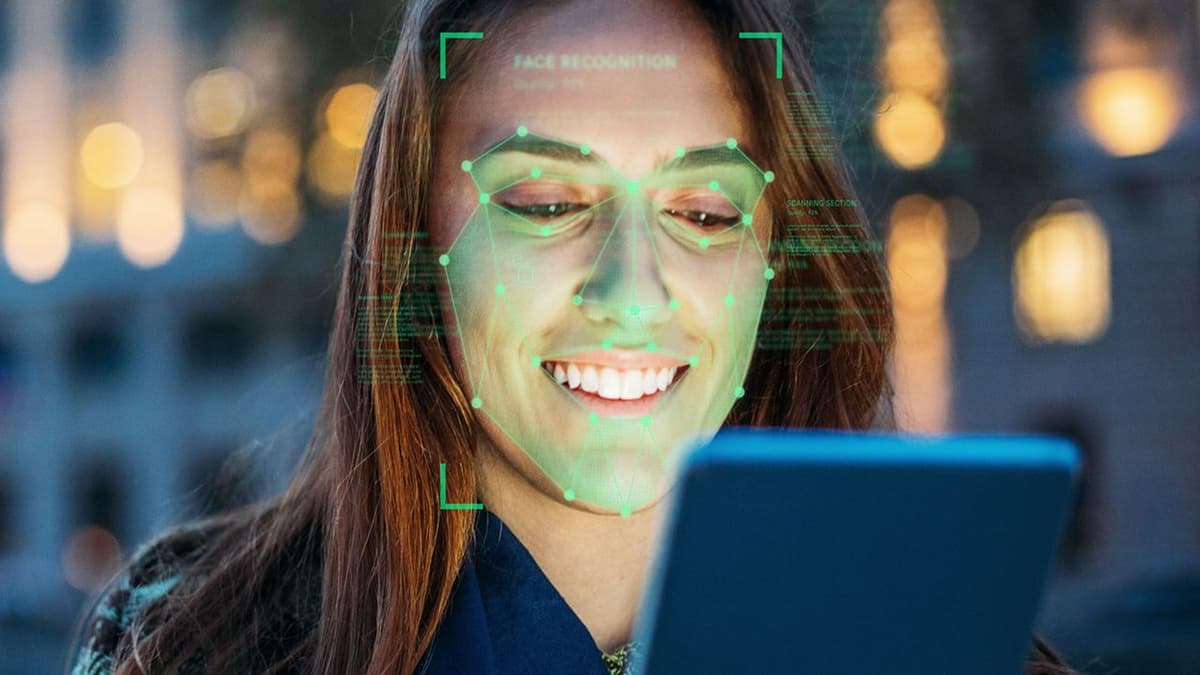
To raise the barrier for fraudsters, the government mandates facial‑recognition scans during SIM registration, supplementing traditional ID documents. Carriers SK Telecom, LG Uplus and Korea Telecom will embed the verification into their PASS apps, storing biometric templates in encrypted vaults. While this measure promises to make illicit number creation more costly, it also introduces new privacy considerations around the long‑term safeguarding of facial data. At the same time, the push accelerates interest in eSIM technology, which eliminates physical cards and can be paired with secure, remote provisioning that relies on robust identity checks.
Businesses that manage large phone fleets will need to adjust provisioning workflows, adding biometric consent steps that could delay short‑term or prepaid activations. However, the added security may lower overall fraud losses, improving bottom‑line margins for carriers and enterprise clients alike. South Korea’s approach may set a regional benchmark, encouraging other markets with similar breach histories to adopt biometric SIM onboarding or fast‑track eSIM rollouts. As regulators balance consumer convenience against fraud mitigation, the evolution of identity verification will likely shape the next generation of mobile connectivity standards worldwide.
Time to switch to eSIM? South Korea will now make consumers scan their faces to buy a SIM card and cut down on scams
0
Comments
Want to join the conversation?
Loading comments...