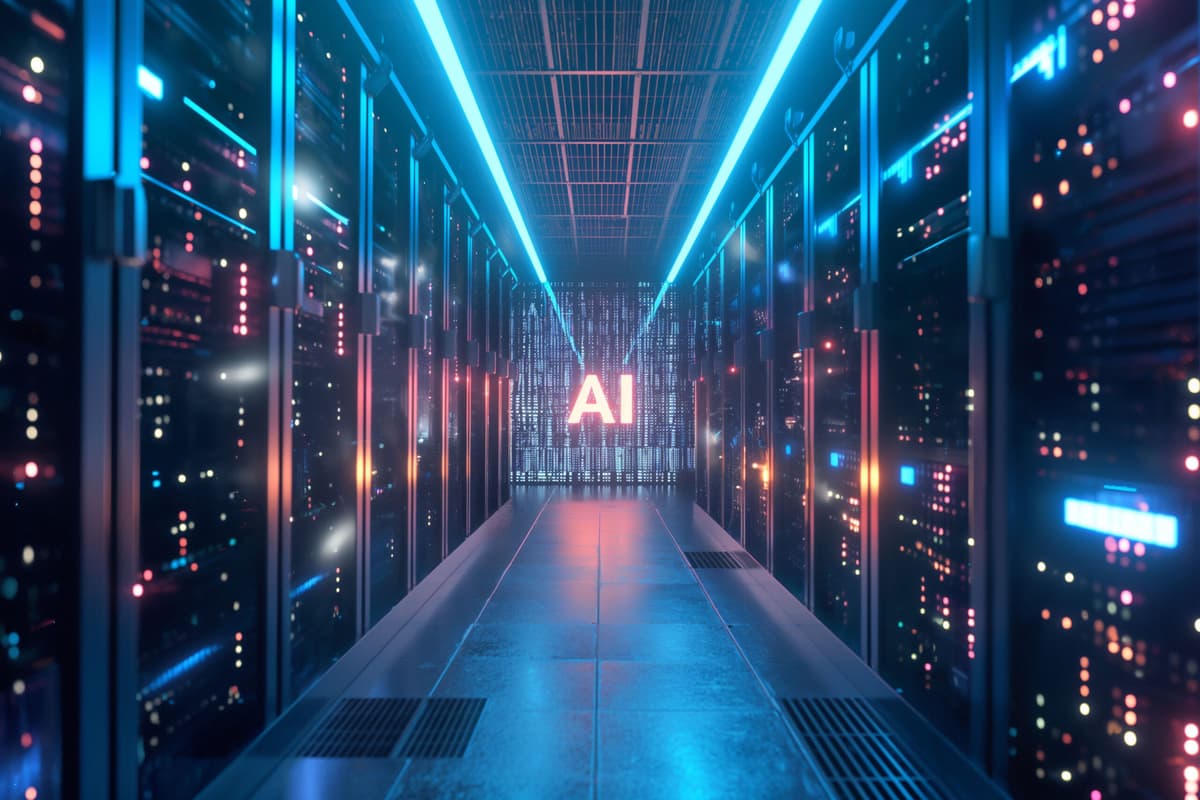
UN Researchers Project AI to Double Data Center Power, Water Consumption by 2030
Why It Matters
The forecast signals a looming strain on energy, water and land resources, making sustainable AI infrastructure a critical policy priority for governments and corporations.
Key Takeaways
- •AI could push data‑center electricity use to 945 TWh by 2030.
- •Water demand may hit 9.3 trillion liters, enough for 600 M people.
- •CO₂ emissions from data centers projected to reach 399 million tons.
- •Land footprint could more than double, exceeding 14,500 km².
- •Without regulation, AI growth may exacerbate water, power, e‑waste crises.
Pulse Analysis
The United Nations University Institute for Water, Environment and Health released a stark projection: AI‑powered workloads will drive data‑center electricity consumption to nearly a terawatt‑hour annually by 2030, matching Japan’s entire grid. This surge reflects the rapid adoption of generative AI models, edge computing, and cloud services that require massive compute clusters. While AI promises efficiency gains in other sectors, the raw power demand of training and inference remains a dominant driver of energy use, dwarfing traditional IT workloads.
Beyond electricity, water scarcity emerges as a parallel crisis. Data‑center cooling systems already consume 4.5 trillion liters of water each year—enough for hundreds of millions of people—and the UN report forecasts a doubling to 9.3 trillion liters. Such volumes strain regions already facing drought, especially where new facilities are sited near limited freshwater sources. Combined with an expected rise to 399 million tons of CO₂ emissions, the environmental footprint of AI infrastructure threatens to outpace current sustainability commitments, raising concerns for investors and regulators alike.
Policymakers and industry leaders must therefore prioritize green data‑center design, renewable energy procurement, and water‑efficient cooling technologies. Initiatives like liquid immersion cooling, AI‑optimized workload scheduling, and location‑aware siting can mitigate resource pressure. Moreover, transparent reporting and international standards will help align AI growth with climate goals, ensuring that the digital transformation does not compromise planetary health. The coming decade will test whether the tech sector can balance innovation with responsible resource stewardship.
UN Researchers Project AI to Double Data Center Power, Water Consumption by 2030
Comments
Want to join the conversation?
Loading comments...