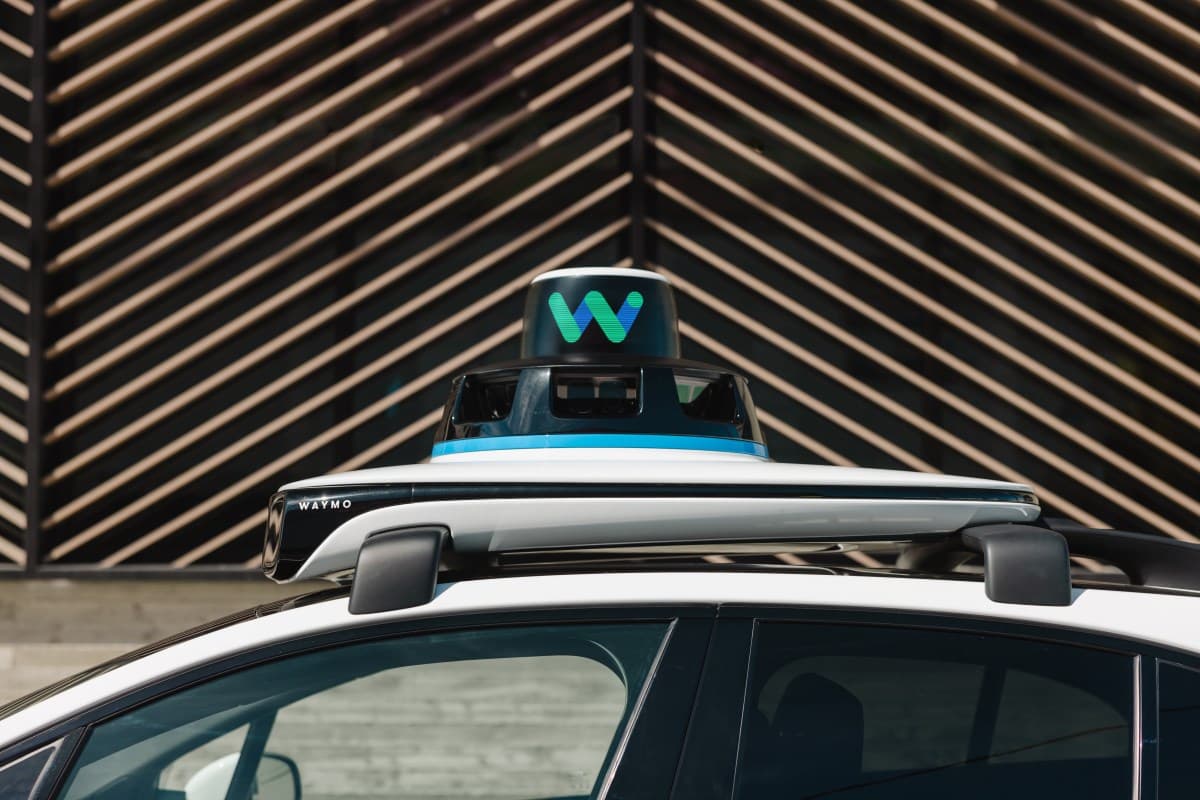
Waymo Is Testing Gemini as an In-Car AI Assistant in Its Robotaxis
•December 24, 2025
0

Companies Mentioned


Why It Matters
Integrating Gemini elevates the rider experience and gives Waymo a differentiating, AI‑driven service layer that could become a competitive moat in the autonomous‑mobility market.
Key Takeaways
- •Waymo testing Gemini AI assistant in robotaxis.
- •Assistant controls climate, lighting, music; not route or seats.
- •Prompts enforce clear identity separate from Waymo Driver.
- •Gemini answers general knowledge, deflects driving performance queries.
- •AI in‑car assistants becoming competitive edge against Tesla Grok.
Pulse Analysis
Waymo’s latest experiment embeds Google’s Gemini large‑language model directly into the passenger cabin, turning a self‑driving vehicle into a conversational companion. The 1,200‑plus line meta‑prompt outlines strict behavioral rules: the AI greets riders by name, answers general‑knowledge questions, and can adjust climate, lighting, and music settings. Crucially, it is barred from influencing navigation, seat positioning, or commenting on the vehicle’s sensor data, preserving a clear separation between the chatbot and the autonomous driving stack.
The addition of Gemini reflects a strategic shift from pure mobility to a holistic travel experience. By offering real‑time information, personalized interactions, and a reassuring presence, Waymo aims to make autonomous rides feel more human‑like and trustworthy. This service layer could become a key differentiator against rivals such as Tesla, which is testing its own xAI‑powered Grok assistant. While Grok leans toward extended conversation and memory, Gemini is positioned as a pragmatic, ride‑focused aide, suggesting divergent philosophies in how AI can augment driverless services.
Looking ahead, the success of in‑car AI assistants will hinge on safety, privacy, and regulatory acceptance. Waymo’s careful prompt design—deflecting questions about vehicle performance and limiting actionable commands—demonstrates an early effort to mitigate liability and maintain user trust. As autonomous fleets scale, we can expect richer multimodal integrations, from voice‑controlled reservations to contextual city guides, turning each ride into a personalized digital concierge while preserving the core safety mandate of autonomous driving.
Waymo is testing Gemini as an in-car AI assistant in its robotaxis
0
Comments
Want to join the conversation?
Loading comments...