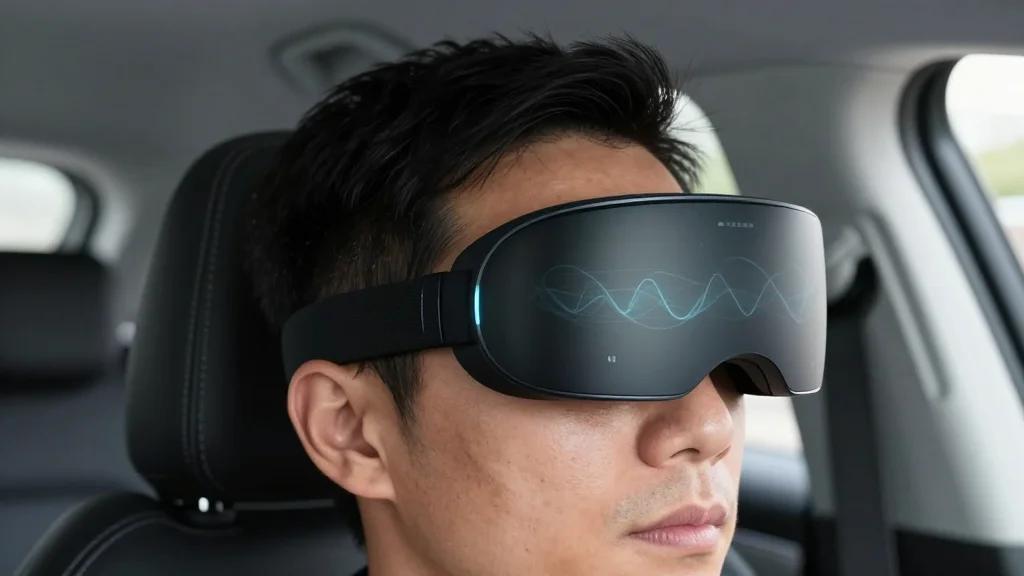
Wearable Headband Combines AI and Mindfulness to Alleviate Car Sickness
Why It Matters
By tackling motion‑induced nausea with a non‑pharmaceutical solution, the headband opens a scalable market for wellness tech in the automotive sector, potentially reducing health‑related travel disruptions and boosting rider satisfaction.
Key Takeaways
- •AI-driven headband monitors vestibular signals in real time
- •Integrated mindfulness prompts reduce nausea within 10 minutes
- •Battery lasts 8 hours, suitable for long trips
- •Partnered with major car manufacturers for OEM integration
- •Early trials show 70% reduction in motion sickness scores
Pulse Analysis
The convergence of AI and mindfulness in a wearable form factor marks a notable shift in how motion sickness is addressed. Traditional remedies rely on medication, which can cause drowsiness and are unsuitable for frequent travelers. This headband, however, leverages accelerometers and gyroscopes to continuously assess a passenger’s balance cues, feeding the data into an on‑device algorithm that triggers personalized breathing exercises and visual focus points. The result is an immediate, drug‑free intervention that aligns with growing consumer demand for health‑forward, tech‑enabled experiences.
Automakers are increasingly seeking differentiators that go beyond safety and infotainment. By embedding the headband into vehicle interiors or offering it as a standard accessory, manufacturers can claim a tangible improvement in passenger well‑being, a metric that directly influences brand perception and repeat usage. Early partnership announcements with several Tier‑1 OEMs suggest a rapid rollout timeline, especially for electric‑vehicle fleets that already emphasize cabin comfort. Moreover, rides‑hailing services see an opportunity to reduce rider complaints and improve driver‑passenger rapport, potentially translating into higher platform loyalty and revenue.
Regulatory pathways for such wellness devices remain relatively clear, as the headband is classified as a low‑risk medical device rather than a pharmaceutical. This simplifies market entry in the United States and Europe, though manufacturers must still navigate data‑privacy standards for biometric information. Looking ahead, the technology could be extended to address other forms of sensory discomfort, such as turbulence‑induced anxiety in aviation. The broader trend points to a future where biofeedback wearables become standard companions for any mode of transport, merging AI precision with human‑centered design to create healthier travel experiences.
Wearable headband combines AI and mindfulness to alleviate car sickness
Comments
Want to join the conversation?
Loading comments...