‘We’re Redefining Eyewear on a Really High Level. I Like to Use a Camera Analogy: Fixed Focus, Manual Focus, and Then Autofocus. What We’re Trying to Do Is Autofocus’ – IXI's CEO on the Tech Behind CES 2026’s Most Exciting Eyeglasses
•January 10, 2026
0
Why It Matters
Autofocus eyewear could disrupt the $140 billion optical market by eliminating the need for multiple lens types, offering a single, adaptive solution for millions of users. Its low‑power design and familiar form factor accelerate consumer acceptance and set a new benchmark for smart‑glass technology.
Key Takeaways
- •Autofocus lenses adjust focus instantly via eye tracking
- •Liquid‑crystal tunable lenses enable dynamic focal length changes
- •35 mAh battery delivers about 18 hours of usage
- •$45 million R&D spent over four years
- •Targets 78 million US progressive‑lens wearers
Pulse Analysis
The eyewear industry has long been dominated by static optics, forcing users to choose between single‑vision, bifocals or progressive lenses. While smart glasses have entered the market, most focus on augmented reality overlays rather than vision correction. IXI’s approach flips this paradigm by embedding a liquid‑crystal lens system that can vary its focal length on demand, effectively turning a pair of glasses into a dynamic optical device. This technology bridges the gap between traditional corrective eyewear and emerging wearable tech, offering a practical, everyday use case that resonates with a broad consumer base.
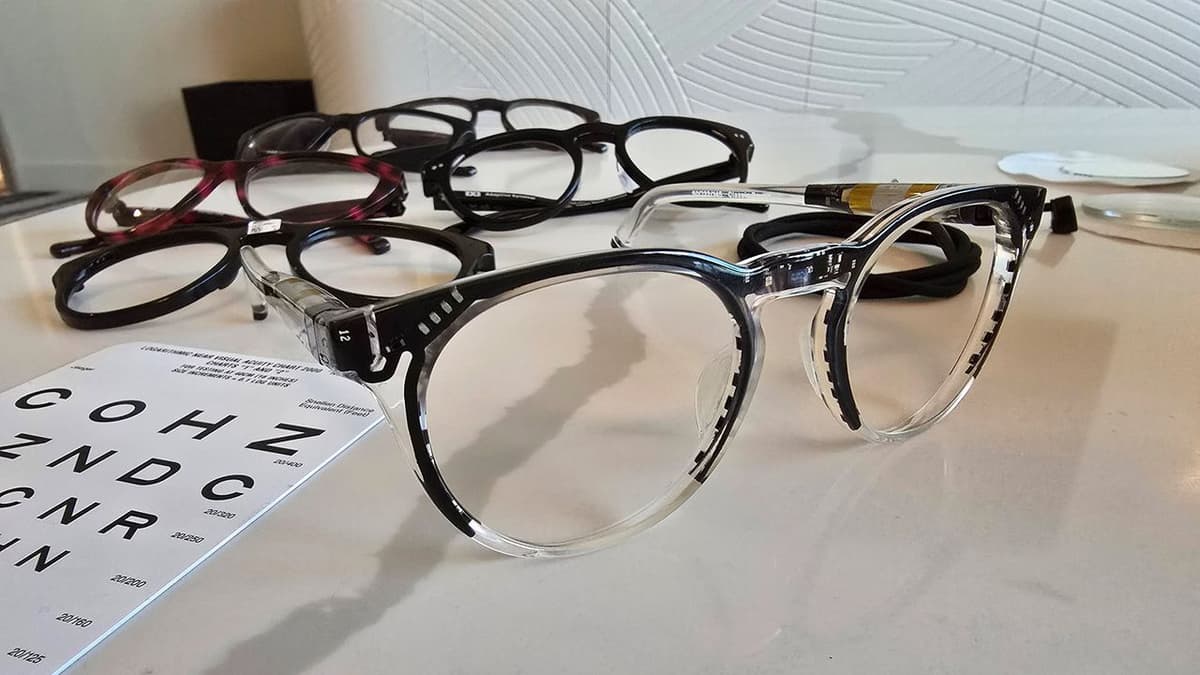
At the heart of IXI’s product is a three‑component architecture: tunable liquid‑crystal lenses, an eye‑tracking autofocus module, and a conventional‑looking frame. The lenses, sandwiched between thin plastic panes, alter their refractive index when voltage is applied, allowing rapid focus shifts. An integrated eye‑tracking sensor determines the wearer’s gaze distance and signals the lenses to adjust within milliseconds. Power efficiency is achieved through a compact 35 mAh battery housed in the temples, delivering up to 18 hours of operation—significantly less than competing smart‑glass offerings. The design’s lightweight 22‑gram profile ensures comfort, making it a viable alternative for users accustomed to traditional frames.
From a business perspective, IXI’s autofocusing glasses could reshape the corrective‑vision market, which is projected to exceed $140 billion globally. By targeting the 78 million Americans who rely on progressive lenses, the startup taps into a sizable, underserved segment seeking convenience and visual clarity. The $45 million R&D investment underscores the technical ambition and signals confidence to investors and partners. As the product moves toward commercial launch, its success will likely spur further innovation in adaptive optics, prompting established players like Luxottica and emerging AR firms to explore similar autofocus solutions, thereby accelerating the convergence of health‑focused wearables and mainstream eyewear.
‘We’re redefining eyewear on a really high level. I like to use a camera analogy: fixed focus, manual focus, and then autofocus. What we’re trying to do is autofocus’ – IXI's CEO on the tech behind CES 2026’s most exciting eyeglasses
0
Comments
Want to join the conversation?
Loading comments...