Why It Matters
The mistrust hampers AI adoption, pressures regulators, and could slow economic benefits, while unchecked deployment risks social and environmental harms.
Key Takeaways
- •Public trust gap: 73% experts optimistic vs 23% public confidence.
- •64% Americans fear AI will reduce jobs over next 20 years.
- •Deepfakes and AI‑generated content erode confidence in news and evidence.
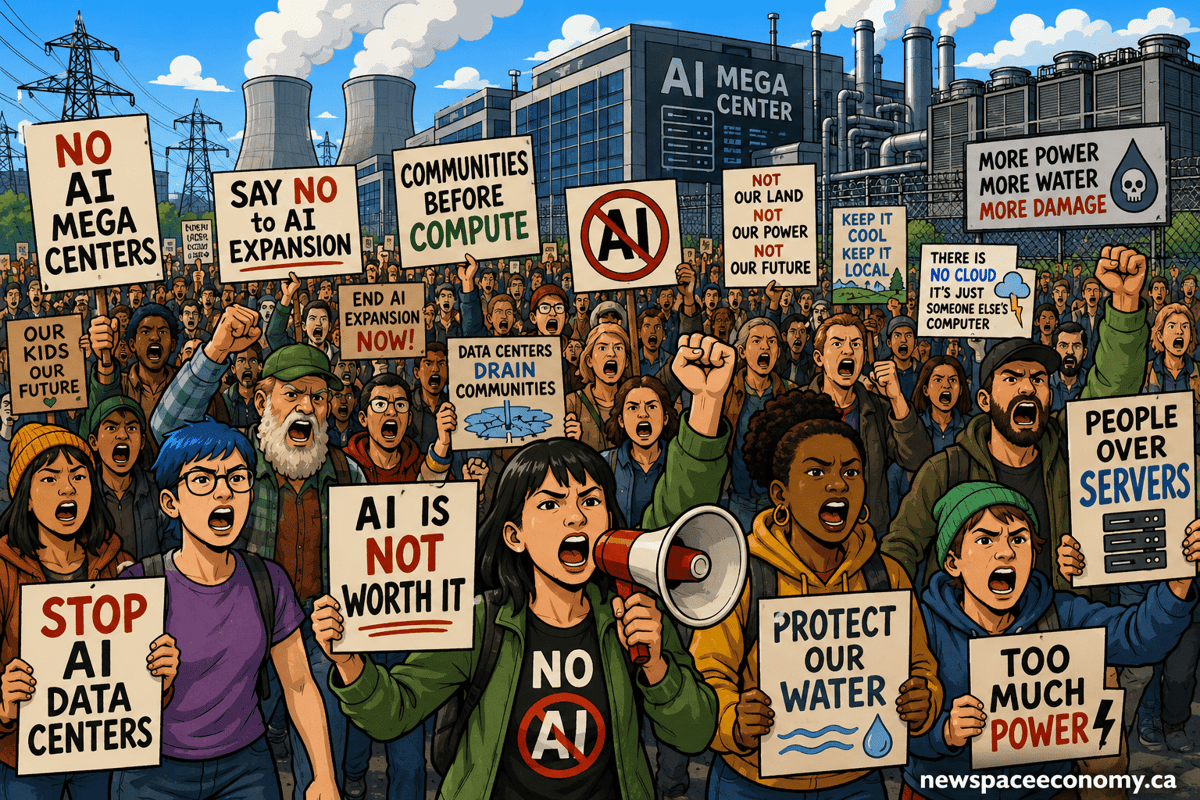
- •Data‑center energy use drives local opposition to AI infrastructure projects.
- •Governance focus shifts to proof, oversight, and accountability for high‑risk AI.
Pulse Analysis
The widening trust gap between AI experts and the public is more than a perception issue; it reflects concrete anxieties revealed by the 2026 Stanford AI Index and Pew Research. While 73% of specialists anticipate productivity gains, fewer than a quarter of Americans share that optimism, citing opaque algorithms and rapid rollout as sources of unease. This divergence is prompting legislators and standards organizations to prioritize transparency measures, such as provenance labeling and independent audits, to rebuild confidence before broader market adoption can proceed.
Employment implications dominate the public discourse, with 64% of U.S. adults fearing net job loss over the next two decades. The concern is not limited to headline‑level unemployment; workers worry about task‑level automation that erodes apprenticeship opportunities and intensifies performance monitoring. Policy responses are emerging that blend retraining programs with worker consultation mandates, aiming to balance efficiency gains with equitable labor outcomes. Economists warn that without proactive measures, the productivity boost from generative AI could be offset by social friction and reduced consumer spending.
Misinformation, energy consumption, and infrastructure sit at the intersection of technical risk and community impact. Deepfakes and AI‑generated content strain the credibility of news ecosystems, prompting calls for watermarking standards and media‑literacy initiatives. Simultaneously, data‑center power draws—about 415 TWh in 2024, roughly 1.5% of global electricity—fuel local opposition to new AI facilities, especially in water‑stressed regions. Regulatory frameworks like the EU AI Act and the U.S. executive order on advanced AI seek to impose risk‑based oversight, demanding proof of safety and accountability for high‑risk deployments. Together, these dynamics illustrate why aligning technological advancement with robust governance is essential for sustainable AI integration.
What Are the Main Public Concerns About AI in 2026?
Comments
Want to join the conversation?
Loading comments...