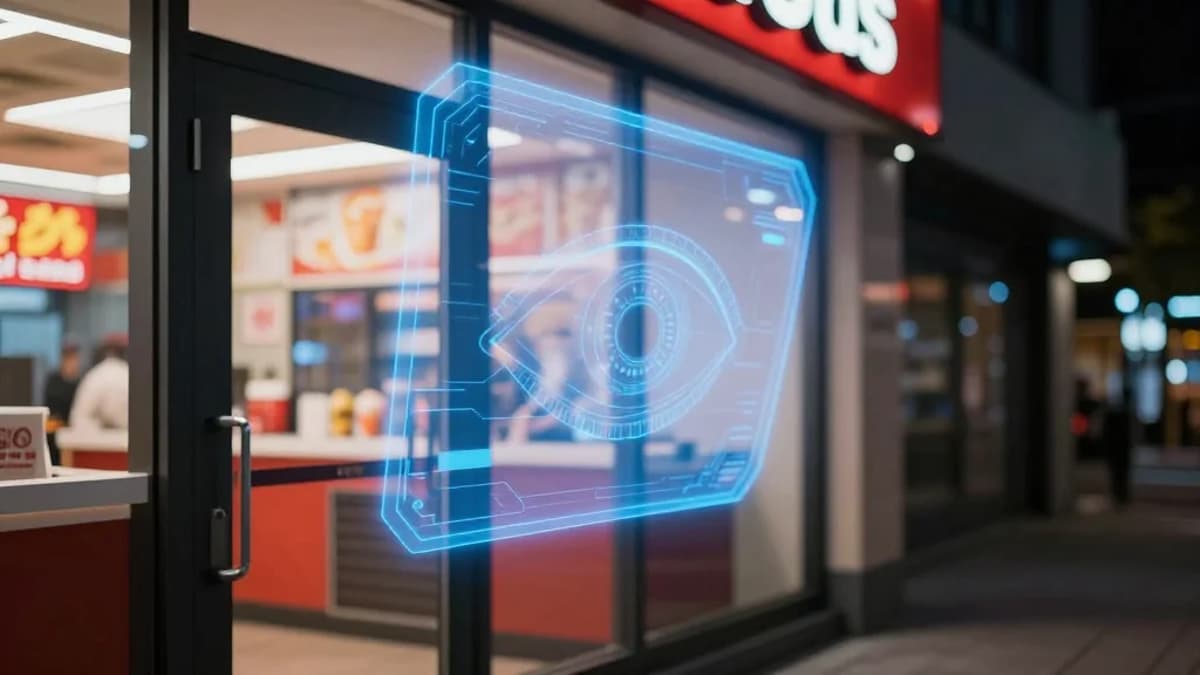
White Castle Deploys AI-Powered Perimeter Security Technology to Reduce Crime and Improve Safety
•February 17, 2026
0
Why It Matters
The deployment proves AI‑driven perimeter security can lower loss‑prevention costs and enhance safety while freeing staff to focus on service, a model likely to spread across quick‑service restaurants.
Key Takeaways
- •91% events resolved automatically via AI and live deterrence
- •Loitering incidents dropped dramatically; escalation calls fell to zero
- •Installation completed without disrupting restaurant operations
- •Employee morale and customer comfort increased during night hours
- •Pilot may expand to other White Castle locations
Pulse Analysis
Quick‑service restaurants face unique security pressures, from after‑hours loitering to drive‑thru vandalism, that traditional cameras and prerecorded warnings often fail to deter. AI‑enabled perimeter solutions like Interface Systems' Virtual Perimeter Guard shift the paradigm from reactive monitoring to proactive prevention, using real‑time object detection, strobe lighting, and live‑voice alerts to intervene before incidents escalate. This technology aligns with broader retail trends where intelligent video analytics are becoming essential for protecting assets while maintaining a seamless customer experience.
The St. Louis pilot delivered measurable outcomes: 91% of perimeter events were auto‑resolved, loitering dropped sharply, and weekly escalation calls vanished. Because the system operates autonomously and is managed remotely, White Castle avoided any operational downtime during installation and eliminated the need for on‑site staff to monitor feeds. The resulting safety improvements lifted employee confidence and enhanced late‑night customer perception, factors that directly influence labor retention and foot traffic in a competitive fast‑food market.
Industry analysts view this case as a bellwether for multi‑location enterprises seeking scalable security without adding personnel costs. The combination of AI detection and human oversight offers a cost‑effective layer that integrates with existing surveillance infrastructure, delivering actionable insights through weekly reports. As AI models become more accurate and edge‑computing reduces latency, we can expect broader adoption across restaurant chains, retail stores, and other high‑traffic venues, reshaping loss‑prevention strategies and setting new standards for operational safety.
White Castle Deploys AI-Powered Perimeter Security Technology to Reduce Crime and Improve Safety
0
Comments
Want to join the conversation?
Loading comments...