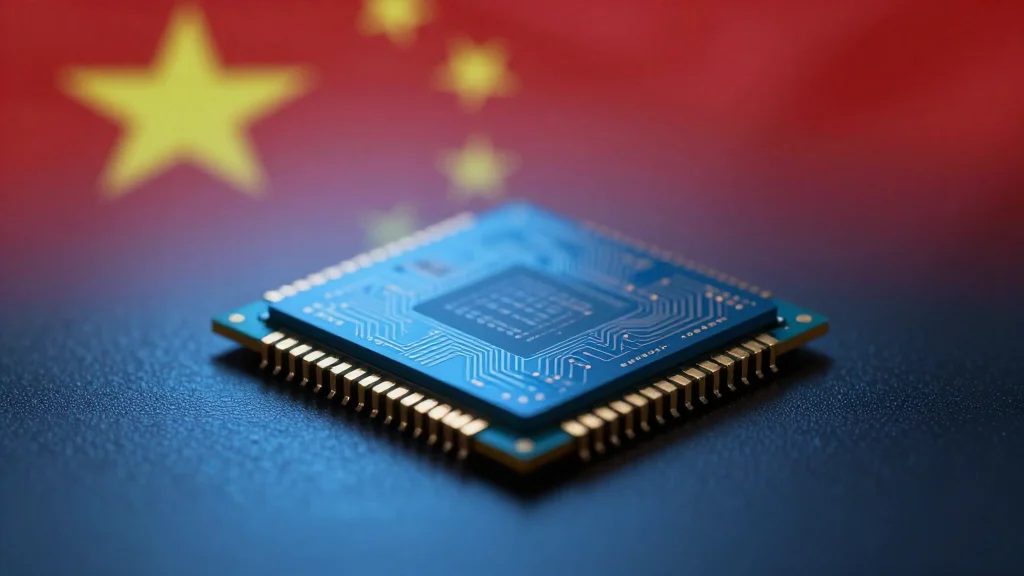
White House Accuses China of ‘Industrial-Scale’ Theft of AI Technology
Why It Matters
China's alleged AI theft could erode the United States' competitive edge and compromise national security, prompting stricter policy measures that will affect tech firms and supply chains globally.
Key Takeaways
- •White House labels Chinese AI theft as industrial‑scale operation
- •Targeted assets include large language models and advanced chips
- •U.S. plans tighter export controls and potential sanctions
- •Bipartisan pressure mounts to safeguard critical AI technologies
- •Indictments of Chinese hackers signal escalating cyber‑espionage threat
Pulse Analysis
The United States is confronting what it describes as a coordinated campaign by Chinese actors to appropriate cutting‑edge artificial‑intelligence assets. By labeling the activity "industrial‑scale," the White House underscores the breadth of the threat, which spans proprietary large‑language‑model code, massive training datasets, and next‑generation semiconductor designs. Such theft not only undermines the commercial value of U.S. AI firms but also raises profound national‑security concerns, given AI’s role in defense, intelligence, and critical infrastructure.
In response, the administration is drafting a suite of policy tools aimed at curbing the flow of sensitive technology. Proposed measures include expanding export‑control lists to cover advanced AI hardware, tightening licensing requirements for cloud‑based model training, and leveraging the Department of Commerce’s authority to block transactions with entities linked to the Chinese government. Law‑enforcement agencies have already secured indictments against several Chinese nationals accused of hacking AI research labs, signaling a willingness to pursue criminal penalties alongside diplomatic pressure.
The broader implications for the tech sector are significant. Companies may face increased compliance costs and heightened scrutiny when collaborating with overseas partners, while investors will watch for shifts in valuation as the regulatory environment evolves. At the same time, the move could accelerate a bifurcation of the global AI ecosystem, prompting U.S. firms to double‑down on domestic supply chains and prompting allies to align on standards for AI security. For stakeholders, understanding the emerging policy landscape is essential to navigating risk and capitalizing on the next wave of AI innovation.
White House accuses China of ‘industrial-scale’ theft of AI technology
Comments
Want to join the conversation?
Loading comments...