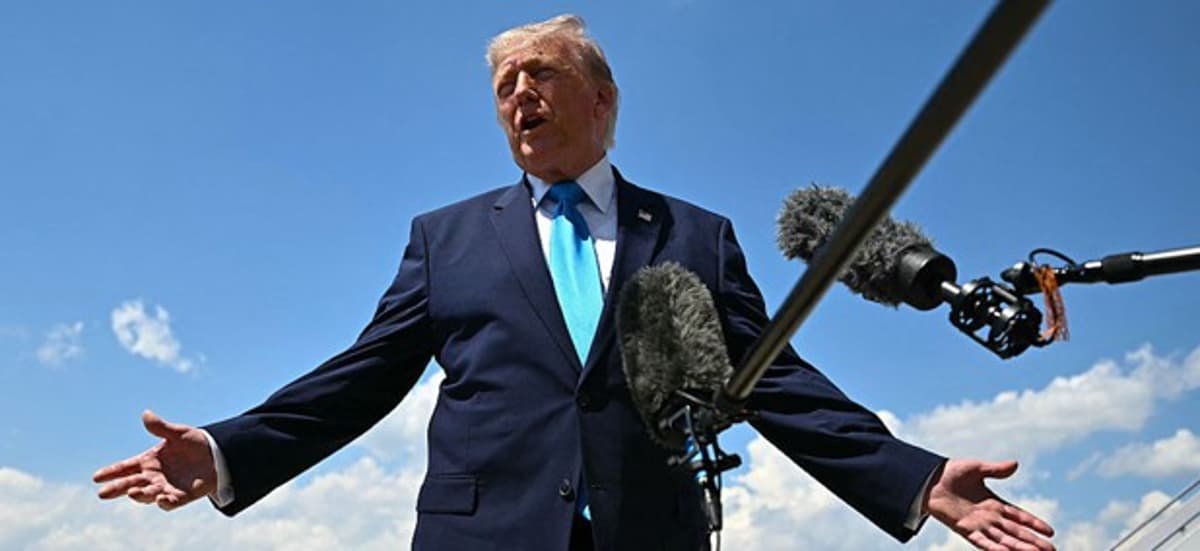
White House Postpones Signing of AI Executive Order
Why It Matters
The hold‑up stalls the federal government’s effort to standardize AI‑driven cyber defenses, creating uncertainty for both agencies and the tech industry that anticipates clearer regulatory guidance.
Key Takeaways
- •Executive order aimed to embed AI in federal cyber defenses
- •Voluntary AI model review framework would give government early access
- •Delay linked to tech CEOs' scheduling conflicts and Trump's China concerns
- •Postponement stalls coordinated AI security standards across agencies
- •Industry watches for signals on regulatory approach to AI
Pulse Analysis
The United States has been racing to formalize a cohesive AI strategy for its federal infrastructure, recognizing that advanced machine‑learning tools can both fortify and expose critical networks. Earlier drafts of the executive order promised a dual approach: leveraging AI to detect cyber threats faster than traditional methods, and establishing a voluntary pre‑release review system that would let agencies examine commercial models before they hit the market. Such a framework could have set a precedent for public‑private collaboration, aligning private‑sector innovation with national security imperatives.
President Donald Trump’s reservations underscore the political tightrope surrounding AI policy. While he lauded the sector’s job‑creating potential, he warned that overly restrictive oversight might erode America’s competitive edge against China, which is heavily investing in AI research and deployment. This rhetoric reflects a broader debate: balancing the need for robust security standards with the desire to avoid regulatory bottlenecks that could slow domestic AI development. The postponement signals that the administration is still calibrating how to protect critical infrastructure without hampering the industry’s growth trajectory.
For technology firms, the delay injects both risk and opportunity. Companies that had prepared to showcase their models at the signing now face an uncertain timeline for potential government vetting, which could affect product roadmaps and investment decisions. At the same time, the heightened attention on AI governance may accelerate internal compliance efforts, as firms anticipate stricter scrutiny. Stakeholders will be watching for the next move—whether a revised order emerges, a new legislative proposal takes shape, or the administration opts for a more incremental, agency‑level approach to AI security.
White House postpones signing of AI executive order
Comments
Want to join the conversation?
Loading comments...