Why 2026 Must Be Agriculture’s Physical AI Tipping Point
•February 25, 2026
0
Why It Matters
Deploying physical AI at scale will close the labor gap and stabilize yields, making it a critical lever for global food security.
Key Takeaways
- •Physical AI proved viable on farms in 2025.
- •2026 demands large‑scale deployment to meet food demand.
- •Labor shortages and climate risk drive urgency.
- •Success measured by autonomous acres, not prototypes.
- •Partnerships and workforce training essential for scaling.
Pulse Analysis
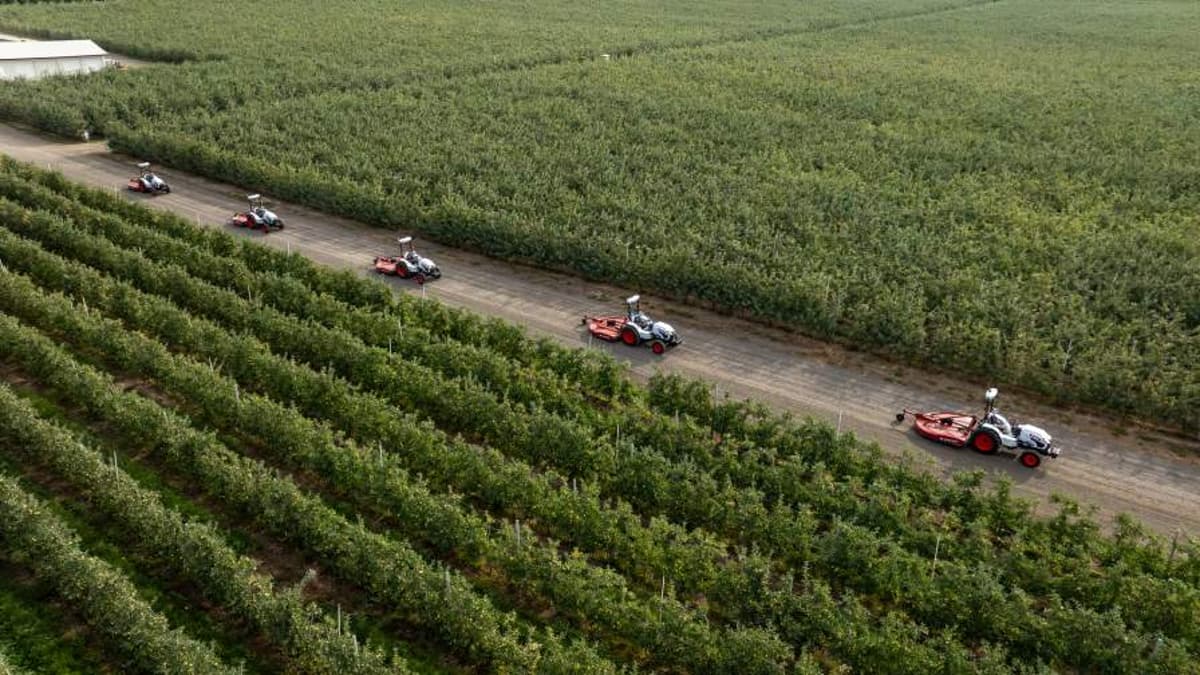
The conversation at CES has moved from sleek smartphones to autonomous tractors, signaling that physical AI is becoming the headline technology for agriculture. Unlike cloud‑based generative models, physical AI embeds machine‑learning algorithms directly into farm machinery, allowing real‑time decision‑making on the ground. In 2025, pilot projects across corn, wheat and vineyard operations demonstrated reliable navigation, variable‑rate application and predictive maintenance, proving the concept works outside the lab. Those successes set the stage for 2026, when the industry must transition from demos to widespread adoption.
The urgency is driven by three converging pressures: more than 280 million people facing acute food insecurity, a shrinking pool of skilled farm labor, and climate volatility that makes traditional practices increasingly risky. Physical AI can extend productive acres while reducing labor intensity, directly addressing the talent gap and stabilizing yields under erratic weather. Investors and policymakers now view autonomous equipment as essential food‑security infrastructure rather than an optional innovation. Consequently, success will be measured by the number of acres managed autonomously, not by the count of prototype units.
To turn this momentum into a reliable supply chain, ag‑tech leaders must treat physical AI as core food infrastructure. Deep collaborations with OEMs and growers ensure machines are financeable, serviceable, and tailored to the repetitive tasks that strain farm budgets. Simultaneously, companies need to create clear career pathways for rural tech operators, turning automation into a talent magnet rather than a job threat. With coordinated investment, standardized metrics, and a focus on real‑world outcomes, 2026 can become the tipping point that embeds autonomous equipment into everyday agriculture.
Why 2026 Must Be Agriculture’s Physical AI Tipping Point
0
Comments
Want to join the conversation?
Loading comments...