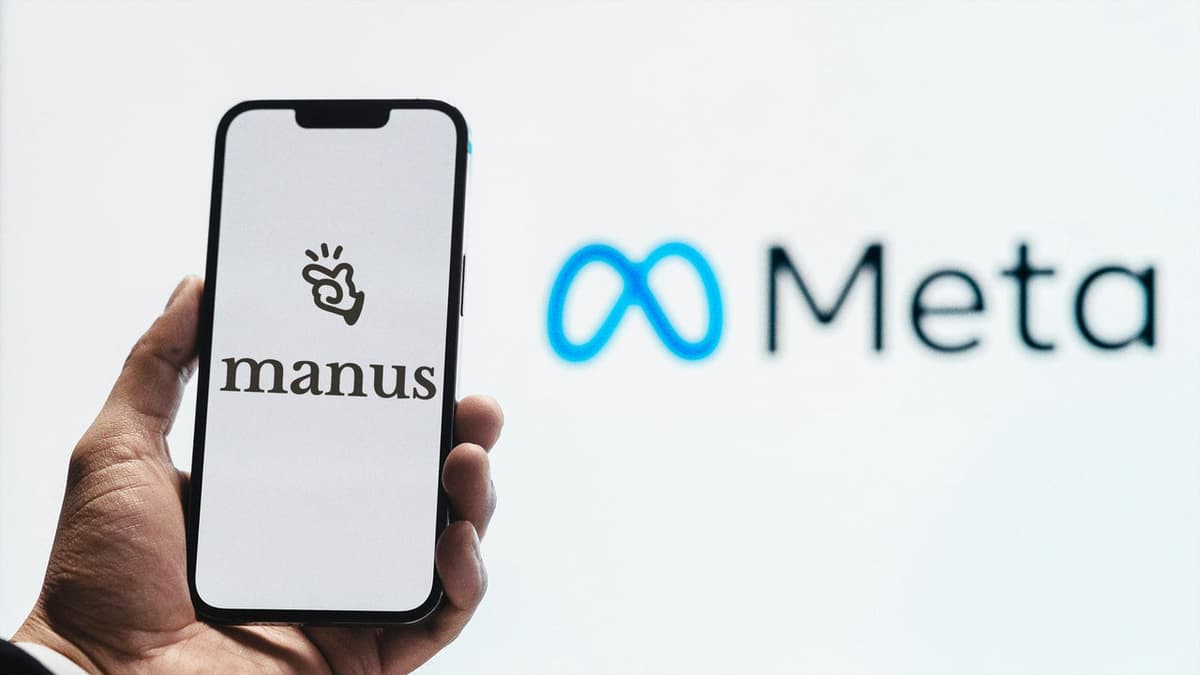
Why Manus Has Become a Crucial Prize in the Global AI Race

Why It Matters
The decision underscores rising geopolitical tension over AI talent and technology, limiting Meta’s expansion while signaling tighter Chinese control of domestic AI assets.
Key Takeaways
- •China blocks Meta's $2B acquisition of Manus.
- •Butterfly Effect raised $75M, moved HQ to Singapore.
- •Regulators claim Manus' core DNA was developed in China.
- •“Singapore washing” won’t shield AI firms from Chinese law.
- •Manus orchestrates multiple models, enabling autonomous “dark” tasks.
Pulse Analysis
The clash between Meta and Chinese regulators reflects a broader contest for AI supremacy. As Western firms chase advanced agentic platforms, Beijing is tightening export controls to protect homegrown breakthroughs. By halting a $2 billion deal, China not only safeguards its intellectual property but also signals to global investors that strategic AI assets remain under its jurisdiction, regardless of corporate restructuring or foreign capital infusion.
For Chinese AI startups, the Manus episode illustrates the limits of “Singapore washing.” Relocating a legal address or raising overseas funds does not automatically free companies from domestic oversight. The Chinese government’s stance suggests that any technology deemed critical will remain subject to export licensing and data sovereignty rules, prompting founders to weigh the benefits of global expansion against potential regulatory friction.
From a product perspective, Manus offers a unique orchestration layer that can bind leading models like Anthropic’s Opus and Alibaba’s Qwen into cohesive workflows. Its ability to launch autonomous “dark” tasks—complex projects completed without user interaction—positions it as a powerful tool for enterprises seeking end‑to‑end AI automation. As competitors race to build similar harnesses, the platform’s strategic value will likely keep it at the center of future acquisition talks, provided it can navigate the geopolitical minefield that now surrounds it.
Why Manus has become a crucial prize in the global AI race
Comments
Want to join the conversation?
Loading comments...