Why Yard Visibility Is Becoming a Bigger Priority for Logistics Teams
Why It Matters
Accurate, real‑time yard data eliminates costly bottlenecks and supports proactive disruption management, a critical need as labor costs rise and supply chains face heightened uncertainty.
Key Takeaways
- •93% have YMS, yet 59% lack full yard visibility.
- •Low confidence in yard data adds 26% misplaced assets, 39% congestion.
- •AI cuts gate processing from 64 s to 15 s per truck.
- •Inventory accuracy rises from ~75% to over 95% with computer vision.
- •Real‑time yard data turns yards from cost centers into competitive advantage.
Pulse Analysis
The supply‑chain AI conversation has largely centered on demand forecasting, route optimization and warehouse robotics, yet the yard—a high‑traffic, low‑visibility hub—has remained a blind spot. As transportation management systems (TMS), enterprise resource planning (ERP) and warehouse management systems (WMS) mature, the marginal gains from refining yard operations become increasingly significant. Labor shortages and rising driver wages amplify the cost of every minute spent idling at gates, while the proliferation of just‑in‑time deliveries leaves little tolerance for delays. Consequently, executives are prioritizing technologies that can illuminate the yard in real time.
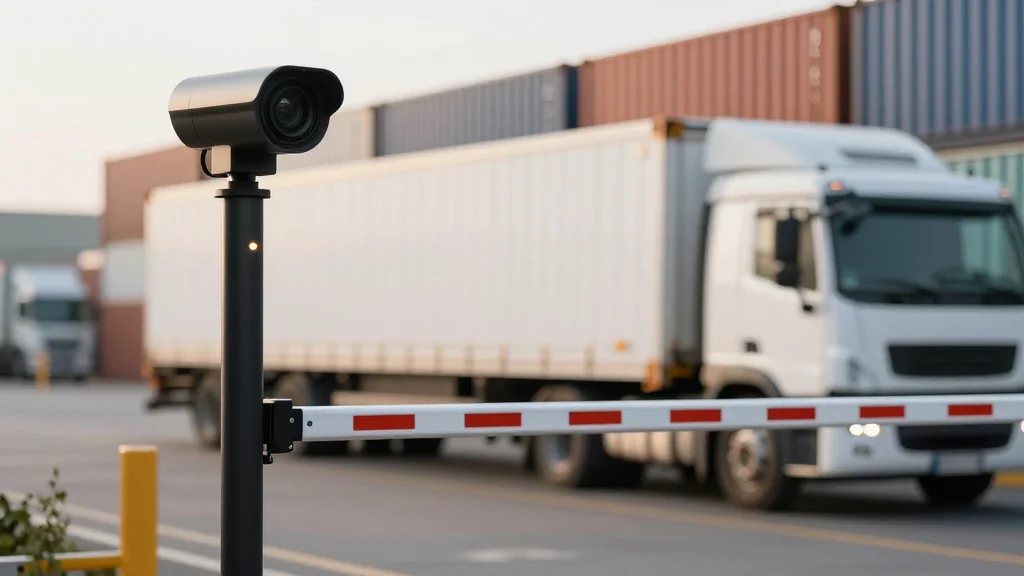
Computer‑vision platforms like Aviro360’s solution capture every trailer movement with cameras, apply AI classification, and push timestamped events to existing YMS via APIs. This continuous, automated feed replaces manual checklists and clipboards, cutting average gate processing from roughly 64 seconds to 15 seconds per truck and boosting inventory accuracy from about 75% to over 95%. The rapid ROI stems from reduced detention fees, fewer misplaced assets, and smoother dock scheduling. Because the data is clean and timely, downstream systems—TMS, ERP, WMS—can execute more reliable planning and execution decisions.
Beyond operational efficiency, real‑time yard visibility reshapes strategic positioning. Companies that can instantly assess yard capacity, locate assets, and predict bottlenecks gain a tactical edge in volatile markets where trade routes and labor availability shift overnight. The technology also enables proactive disruption management, turning forensic analysis into forecasting. As AI models become more sophisticated and integration costs fall, the yard is poised to evolve from a cost center into a differentiator, driving higher service levels and opening new revenue opportunities for logistics providers willing to invest now.
Why Yard Visibility Is Becoming a Bigger Priority for Logistics Teams
Comments
Want to join the conversation?
Loading comments...