
Companies Mentioned
Why It Matters
Without skilled auditors, AI‑generated code can introduce hidden bugs and security flaws, jeopardizing production systems and slowing enterprise AI adoption. The demand for AI babysitters creates a new talent bottleneck that could impact the entire tech ecosystem.
Key Takeaways
- •AI can write code instantly, but lacks system context
- •Companies need engineers to audit AI-generated modules
- •New CS curricula must emphasize verification and security of AI code
- •Shortage of skilled reviewers hampers AI adoption in production
- •"AI babysitter" role blends programming with forensic analysis
Pulse Analysis
The rise of large language models has turned code generation into a click‑and‑run activity, dramatically accelerating prototyping and reducing routine coding effort. Yet these models operate as black boxes, producing syntactically correct snippets without an understanding of architectural constraints, performance trade‑offs, or legacy dependencies. As a result, organizations that deploy AI‑crafted modules without rigorous oversight risk introducing inefficiencies, licensing violations, or exploitable vulnerabilities that can cascade across complex systems.
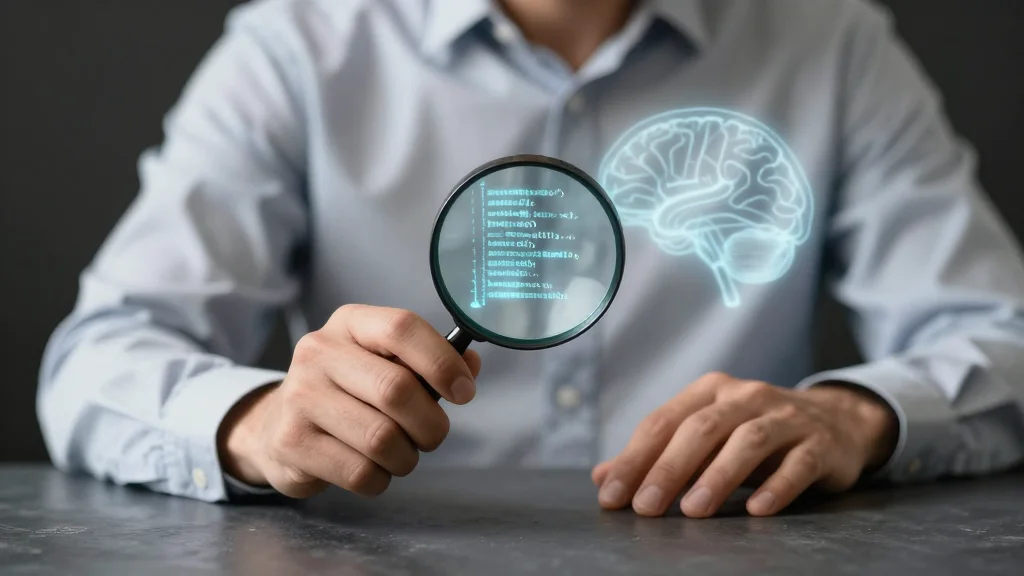
Enter the "AI babysitter"—a new breed of software professional tasked with scrutinizing, testing, and hardening AI‑produced code. Their work resembles forensic analysis: tracing logic paths, validating assumptions, and patching security gaps before code reaches production. This role demands deep systems knowledge, threat modeling expertise, and the ability to interpret model outputs in the context of existing codebases. Companies are already reporting hiring shortages, as the pool of engineers comfortable with both traditional software engineering and AI model behavior remains limited.
The shift has profound implications for computer‑science education and corporate training. Curricula must evolve to include modules on AI output verification, prompt engineering, and secure integration practices. Likewise, enterprises need to invest in upskilling current staff, creating cross‑functional teams that blend AI research with operational security. As AI code generation becomes ubiquitous, the ability to audit and certify machine‑written software will become a competitive differentiator, shaping the future of software reliability and trust.
Will Some Programmers Become 'AI Babysitters'?
Comments
Want to join the conversation?
Loading comments...