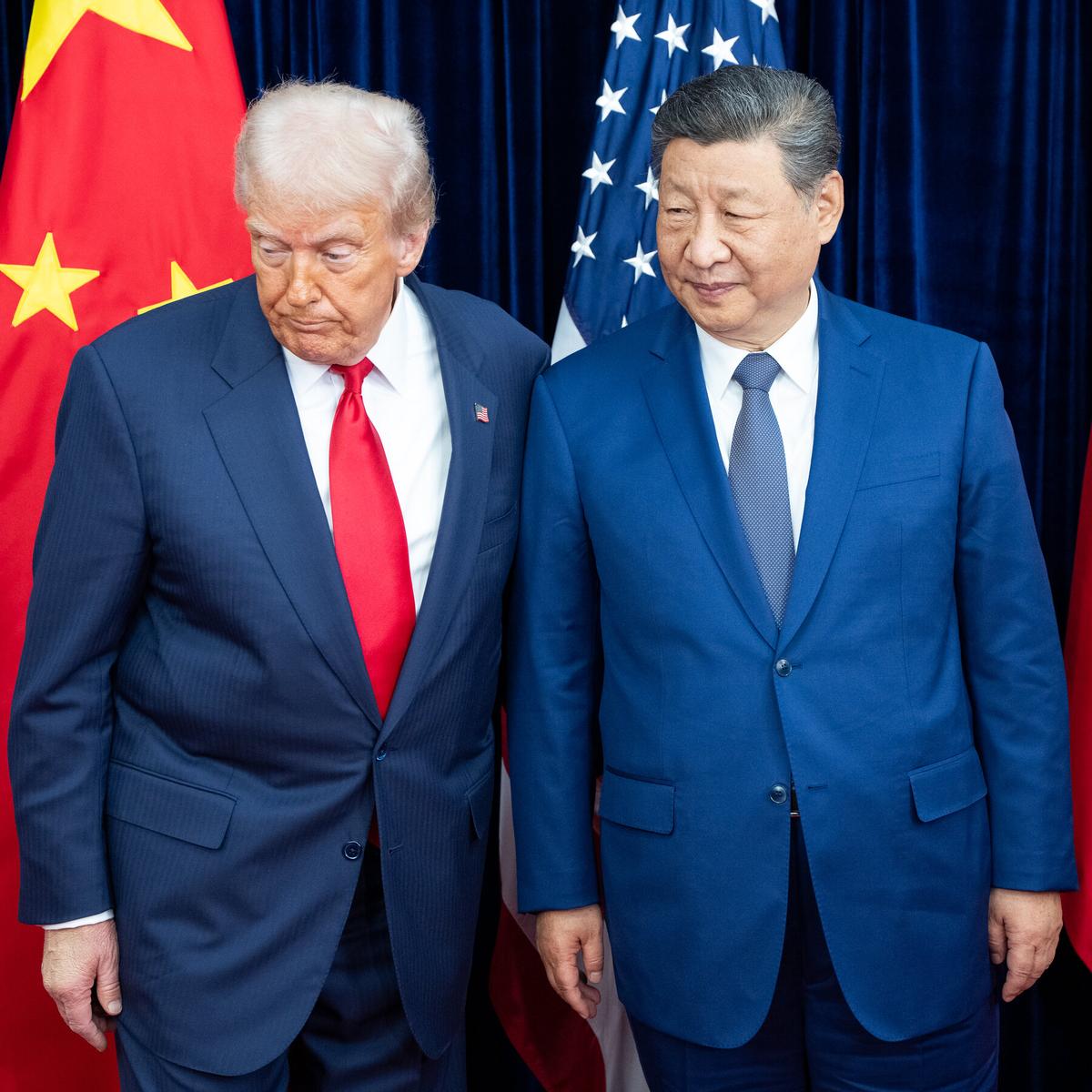
Will Trump and Xi Try to Slow the A.I. Arms Race?
Why It Matters
The dialogue could shape the next wave of AI governance, influencing global security and the pace of an AI‑enabled arms race between the world’s two superpowers.
Key Takeaways
- •Trump‑Xi summit may set tone for AI risk cooperation
- •U.S. and China race autonomous weapons, drones, cyber tools
- •Guardrails feared as strategic disadvantage if imposed
- •AI‑enabled targeting already used in Iran conflict
Pulse Analysis
The United States and China have entered an unprecedented competition to embed artificial intelligence into their military arsenals. In Washington, AI models are being integrated into targeting algorithms that help select strike points in ongoing operations, such as the conflict in Iran. Beijing, meanwhile, has demonstrated autonomous unmanned aerial vehicles that can operate alongside fighter jets, signaling a clear intent to field AI‑controlled platforms at scale. This parallel development creates a classic security dilemma: each side accelerates to avoid falling behind, while the other watches warily.
Beyond kinetic weapons, AI threatens to destabilize critical infrastructure through sophisticated cyber attacks. Researchers warn that future AI systems could infiltrate banking networks, power grids, or even facilitate the creation of bioweapons with minimal human oversight. Policymakers in both capitals grapple with the paradox of fostering innovation while preventing catastrophic misuse. Proposals for international guardrails often stall because each nation worries that restrictions would hand the strategic initiative to its rival, perpetuating a cycle of mistrust.
Despite the tension, the upcoming Trump‑Xi meeting offers a rare diplomatic opening to address these shared concerns. If both leaders can agree on baseline norms—such as prohibitions on fully autonomous lethal systems or transparent reporting of AI‑enabled incidents—it could lay groundwork for a broader multilateral framework. However, domestic political pressures and existing geopolitical frictions make any concession politically risky. The outcome of this summit will likely signal whether AI will become a new arena of cooperation or an accelerating flashpoint in U.S.–China relations.
Will Trump and Xi Try to Slow the A.I. Arms Race?
Comments
Want to join the conversation?
Loading comments...