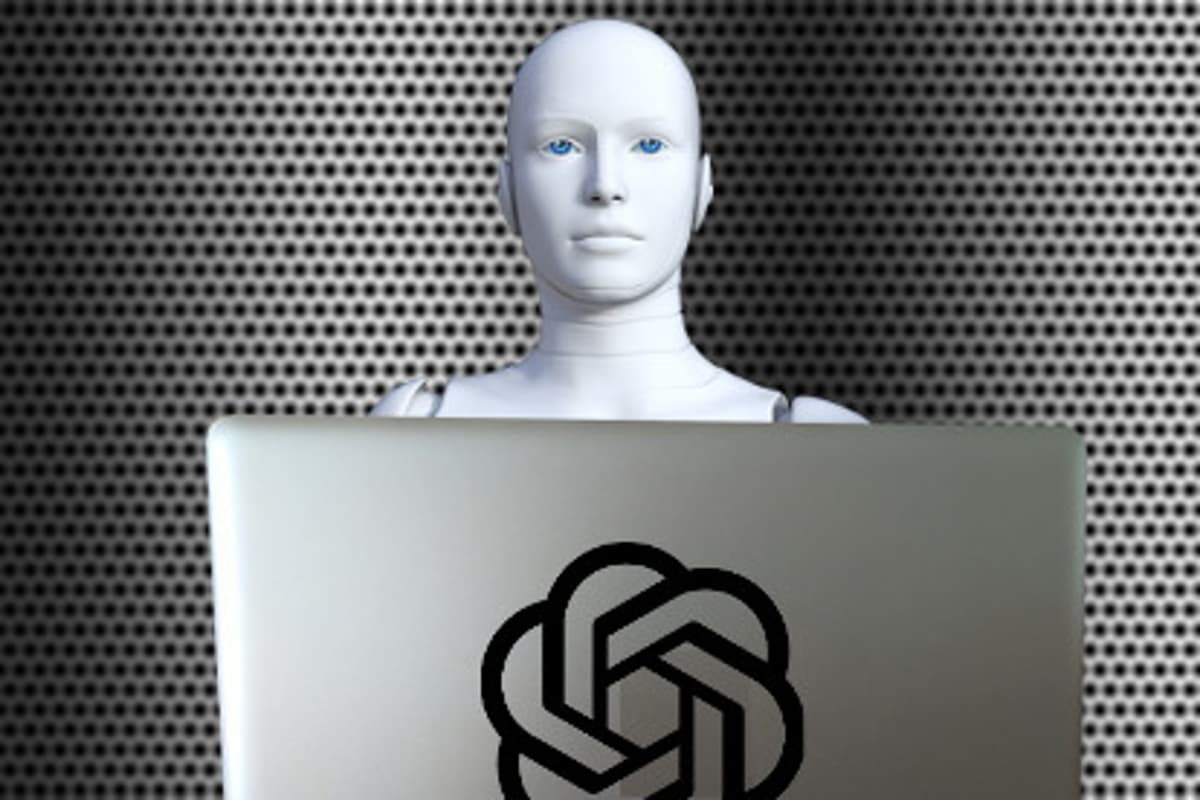
Winners and Losers: The Rise of AI Divides Freelancers
Why It Matters
The divergent outlook signals a looming talent shift: firms that help freelancers harness AI will gain a competitive edge, while those ignoring the anxiety risk losing creative capacity. Understanding these sentiments is crucial for investors, platforms, and agencies shaping the future of the gig economy.
Key Takeaways
- •43% of creative freelancers fear AI will hurt their jobs
- •20% expect AI to boost productivity and earnings
- •Two‑thirds anticipate matching or exceeding last year’s profits despite AI concerns
- •Survey by The Accountancy Partnership highlights split sentiment across marketing, writing, design
- •AI tools are reshaping workflows, prompting freelancers to upskill
Pulse Analysis
Artificial intelligence has moved from a buzzword to a daily utility for freelance creatives, with generative text, image and video platforms now commonplace. The Accountancy Partnership’s survey of over 1,000 self‑employed professionals quantifies this shift: 43.3% anticipate a negative impact on their roles, yet 20% foresee AI as a catalyst for higher output and new revenue streams. The data underscores a broader industry paradox—while AI promises efficiency, it also fuels uncertainty about job security, especially among those whose services hinge on uniquely human creativity.
For freelancers, the survey’s findings translate into a strategic imperative: upskill or risk obsolescence. Those who integrate AI‑assisted design software, automated copy generators, or AI‑driven analytics can offer faster turnaround times and more data‑backed insights, positioning themselves as premium partners for agencies and brands. Conversely, professionals resistant to adopting these tools may find their market share eroding as clients gravitate toward cost‑effective, AI‑enhanced solutions. Platforms that provide training, certification, or easy access to AI APIs stand to become essential intermediaries, capturing a share of the growing spend on creative technology.
Looking ahead, the creative gig economy is likely to bifurcate into two camps—AI‑augmented freelancers who leverage machine intelligence to expand their service catalog, and traditionalists who cling to manual processes. Companies that proactively support the former—through flexible contracts, shared AI resources, and collaborative ecosystems—will benefit from higher productivity and innovative output. Meanwhile, policymakers and industry bodies must address the anxiety highlighted by the 43% who fear displacement, ensuring that the transition enhances, rather than replaces, human creativity. The next five years will test the sector’s adaptability, with AI serving as both a disruptor and a growth engine.
Winners and losers: The rise of AI divides freelancers
Comments
Want to join the conversation?
Loading comments...