Why It Matters
AI‑powered app creation lowers barriers to entry, accelerating innovation and reshaping the software labor market. Companies and individuals can prototype and deploy solutions faster, cutting costs and expanding competition.
Key Takeaways
- •Claude Code now fixes bugs as easily as generating code
- •$20/month subscription unlocks functional app creation for non‑developers
- •Personal software reduces reliance on traditional enterprise development teams
- •AI‑driven tools could reshape SaaS pricing and talent pipelines
Pulse Analysis
For decades, software development has been the domain of highly trained engineers, with end‑users forced to adapt to pre‑built applications that rarely fit niche needs. Traditional customization required costly consulting or hacky workarounds like IFTTT and Apple Shortcuts, leaving most professionals dependent on a limited set of features. This model created a clear divide between creators and consumers, stifling rapid innovation in specialized sectors such as legal tech, healthcare, and education.
The breakthrough arrived when Anthropic upgraded Claude to a "Claude Code" assistant capable of not only generating code but also diagnosing and repairing it. Priced at roughly $20 per month, the service offers a conversational interface where users describe a problem in plain language and receive a working solution within minutes. Early adopters report turning half‑formed ideas into functional web and mobile apps without writing a single line of code, effectively turning anyone with a clear vision into a "vibe coder." This capability mirrors the impact of spreadsheet software in the 1980s, but now applies to full‑stack development, from UI design to backend logic.
The broader implications are profound. Enterprises may see reduced demand for large development teams as internal stakeholders build bespoke tools on the fly, reshaping hiring practices and SaaS pricing structures. Startups can validate concepts faster, lowering capital requirements and accelerating go‑to‑market timelines. However, the shift also raises questions about code quality, security, and intellectual property when AI generates proprietary logic. As AI coders become mainstream, the industry will need new standards and governance models to ensure reliability while capitalizing on the unprecedented agility that personal software promises.
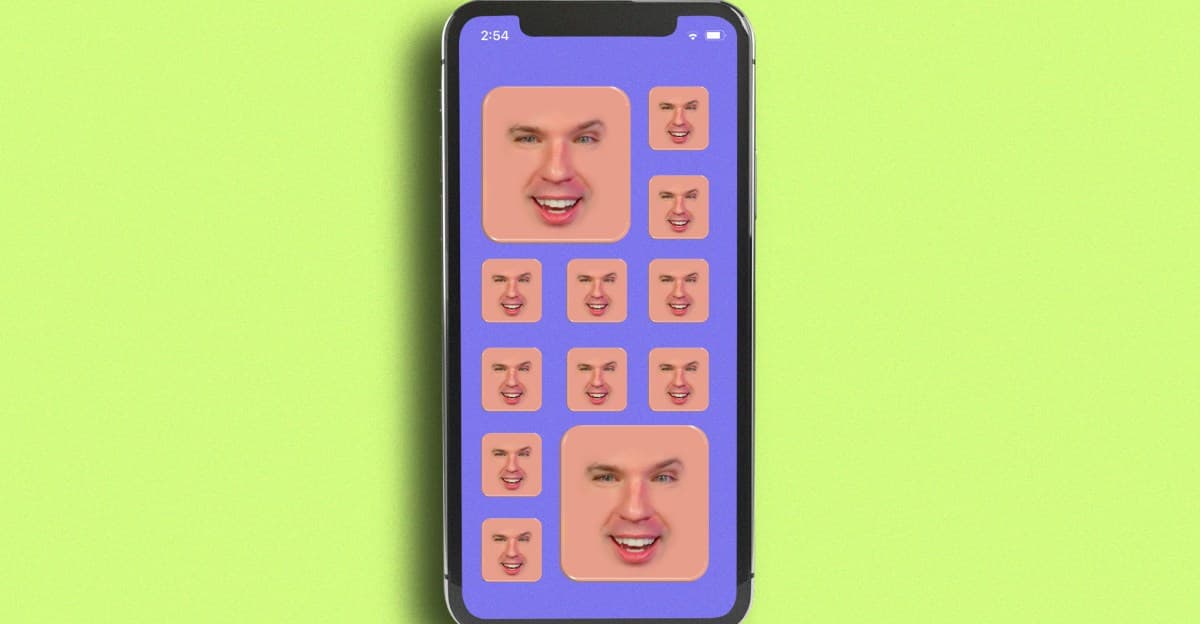
You can make an app for that
Comments
Want to join the conversation?
Loading comments...