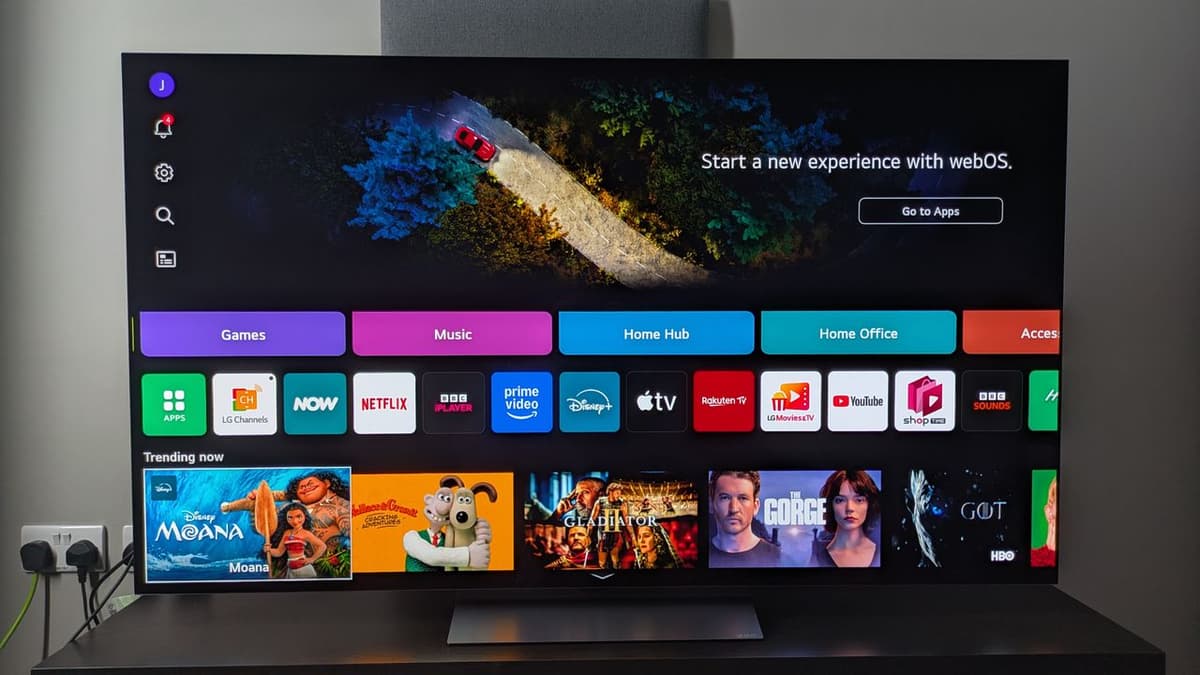
Your LG TV May Get an Unremovable Microsoft Copilot App in Its Next Update, and Yes, Users Are Annoyed
•December 15, 2025
0
Companies Mentioned


Why It Matters
Forced AI integration raises consumer privacy concerns and could erode trust in smart‑TV ecosystems, prompting broader industry scrutiny of pre‑installed software practices.
Key Takeaways
- •LG webOS update auto-installs Microsoft Copilot.
- •Copilot app cannot be removed by users.
- •Users raise privacy and bloatware concerns.
- •Trend shows manufacturers monetizing via forced software.
- •Potential data collection via TV microphone.
Pulse Analysis
The latest LG webOS update illustrates a growing tension between device manufacturers and consumers over forced software. By bundling Microsoft’s Copilot directly into the TV’s operating system, LG is effectively turning a premium entertainment device into a data‑collection platform without explicit consent. This mirrors earlier controversies, such as pre‑installed ads on smart‑TV home screens and forced music albums on iTunes, highlighting a shift toward monetizing the post‑sale experience rather than relying solely on hardware sales.
From a privacy standpoint, the unremovable Copilot raises legitimate concerns. The AI assistant requires access to microphones and possibly other sensors, creating a potential vector for continuous listening and data harvesting. Consumers, already wary of smart‑home devices that listen in, may view this as an overreach, prompting calls for stricter regulations on default applications and clearer opt‑out mechanisms. Industry analysts suggest that such practices could accelerate demand for privacy‑focused alternatives or open‑source platforms that give users full control over installed services.
Strategically, LG’s decision reflects a broader industry trend of leveraging AI to differentiate products and generate recurring revenue streams. While AI assistants can enhance user experience through voice control and content recommendations, the lack of user agency undermines trust. Companies that balance innovation with transparent, user‑driven choices are likely to retain loyalty, whereas those that impose unwanted features risk backlash and potential market share loss. As smart‑TVs become central hubs in connected homes, the balance between convenience and consent will shape the next wave of consumer electronics policy.
Your LG TV may get an unremovable Microsoft Copilot app in its next update, and yes, users are annoyed
0
Comments
Want to join the conversation?
Loading comments...