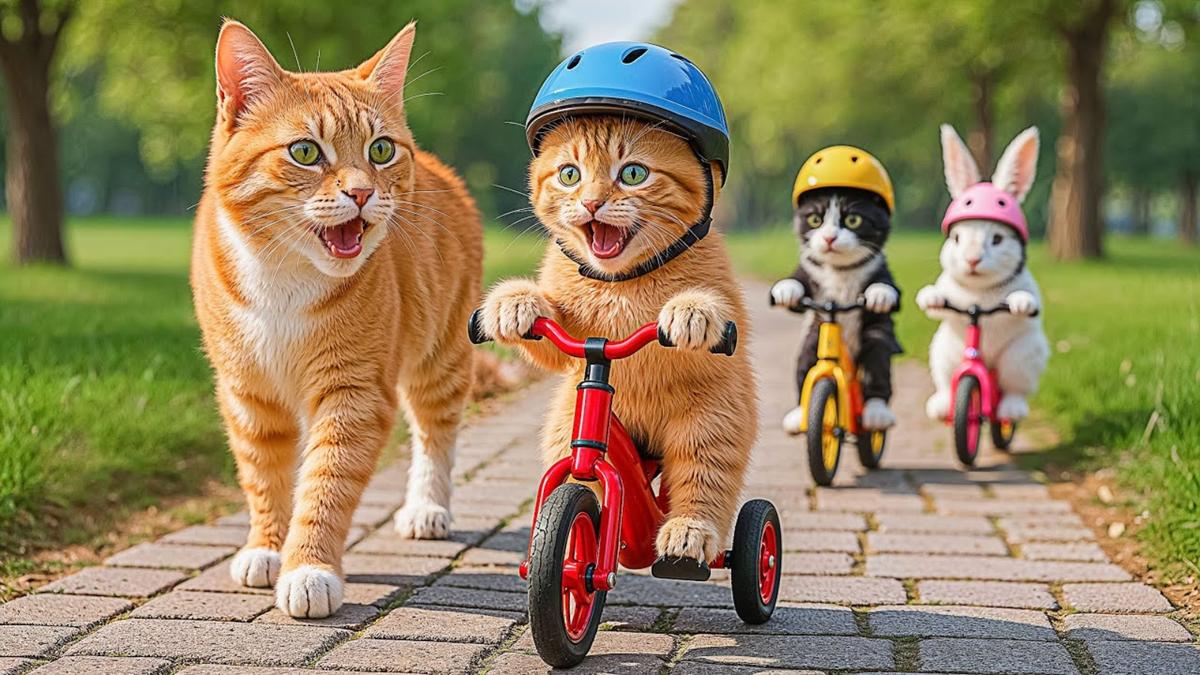
YouTube Creators Are Now Making AI Slop for Babies: Report
•December 6, 2025
0
Companies Mentioned


Why It Matters
The proliferation of AI slop on a platform meant for children threatens early learning outcomes and exposes a regulatory gap in digital child safety.
Key Takeaways
- •AI‑generated videos flood YouTube Kids for toddlers
- •Over 60% of parents let infants watch YouTube
- •Creators with million‑plus followers push AI “slop” tutorials
- •Psychologists warn low‑quality content harms early development
- •YouTube’s enforcement struggles to curb AI‑driven exploitation
Pulse Analysis
The rise of AI‑driven content on YouTube Kids reflects a broader shift in how creators monetize short‑form video. By leveraging generative models, producers can churn out dozens of videos in minutes, bypassing traditional production costs. This efficiency, however, comes at the expense of quality, as the resulting clips often lack educational rigor and rely on synthetic voices to simulate child‑friendly narration. For advertisers and platform curators, the challenge is distinguishing genuine learning material from mass‑produced filler that merely exploits algorithmic preferences.
From a developmental perspective, exposure to low‑quality AI slop can interfere with critical early‑brain wiring. Research in child psychology indicates that infants benefit most from interactive, human‑led stimuli that encourage language acquisition and social bonding. When toddlers repeatedly encounter repetitive, AI‑generated songs or stories, they miss out on the nuanced cues that foster cognitive growth. Michael Robb’s warnings underscore the risk of normalizing passive consumption, potentially widening gaps in early literacy and attention spans.
Regulators and platform owners are now grappling with policy gaps. While YouTube Kids is designed for ages two to twelve, the platform’s age‑verification mechanisms are insufficient to block sub‑two viewers. Existing community‑guideline enforcement struggles to flag AI slop because it technically complies with content rules. Industry stakeholders must consider stricter labeling, AI‑detection tools, and parental‑control enhancements to safeguard the youngest users while preserving the creative freedoms of legitimate creators.
YouTube creators are now making AI slop for babies: Report
0
Comments
Want to join the conversation?
Loading comments...