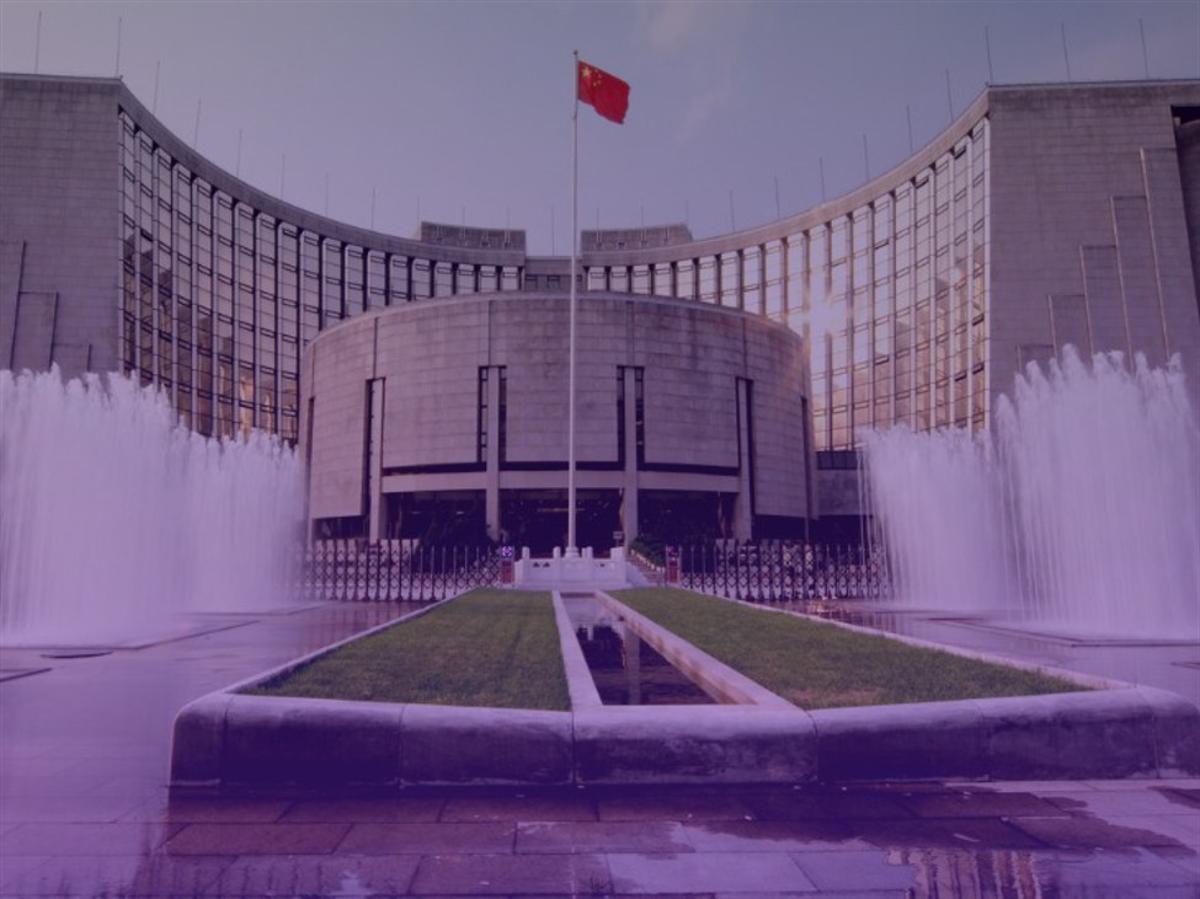
ICYMI - PBOC Pledges Loose Policy, Ample Liquidity in Q4 Report
Key Takeaways
- •PBOC maintains “appropriately loose” monetary stance
- •Liquidity stays ample; RRR and rate cuts possible
- •Focus on boosting domestic demand, tech, SMEs
- •Flexible yuan policy with volatility safeguards
- •Macro‑prudential tools expanded to guard financial stability
Summary
China’s central bank reaffirmed an “appropriately loose” monetary policy in its Q4 report, promising ample liquidity and the option to cut reserve‑requirement ratios or interest rates. The PBOC highlighted support for domestic demand, technology innovation and small‑medium enterprises while keeping financing costs low. It also pledged a flexible yuan exchange rate with safeguards against excessive volatility. Finally, the bank emphasized expanding macro‑prudential tools to protect financial stability amid a fragile recovery.
Pulse Analysis
The People’s Bank of China’s fourth‑quarter monetary policy report underscores a deliberate shift toward sustained accommodative measures. By labeling policy as "appropriately loose" and keeping liquidity abundant, the central bank signals that it can still deploy traditional levers—reserve‑requirement ratio cuts and interest‑rate reductions—if growth pressures intensify. This approach aligns with Beijing’s broader macro‑economic strategy to counteract structural imbalances, especially the persistent gap between supply and demand that has constrained domestic consumption.
A key pillar of the report is targeted support for priority sectors. The PBOC pledges to lower banks’ funding costs, thereby easing credit conditions for small‑ and medium‑sized enterprises, technology innovators, and other growth engines. By keeping overall financing costs low, the central bank aims to stimulate investment and consumer spending without inflating systemic risk. This nuanced credit‑support framework is designed to revive the real economy while avoiding the over‑leveraging that plagued earlier cycles.
Equally important is the reaffirmation of a flexible yuan exchange rate coupled with vigilant volatility monitoring. Maintaining currency stability helps anchor market expectations and protects export competitiveness, while macro‑prudential tools are being expanded to mitigate systemic threats. Together, these measures create a balanced policy mix that seeks to nurture a fragile recovery, sustain financial resilience, and preserve China’s role as a pivotal player in the global economy.
ICYMI - PBOC pledges loose policy, ample liquidity in Q4 report


Comments
Want to join the conversation?