India Is Kicking Trump's Butt on the Trade Deal, TACO Time (Again)
Key Takeaways
- •Pulse tariff cut reference deleted from factsheet.
- •Digital services language softened, negotiations emphasized.
- •Commitment wording changed from “intends” to “committed.”
- •Agriculture and digital tax remain negotiation flashpoints.
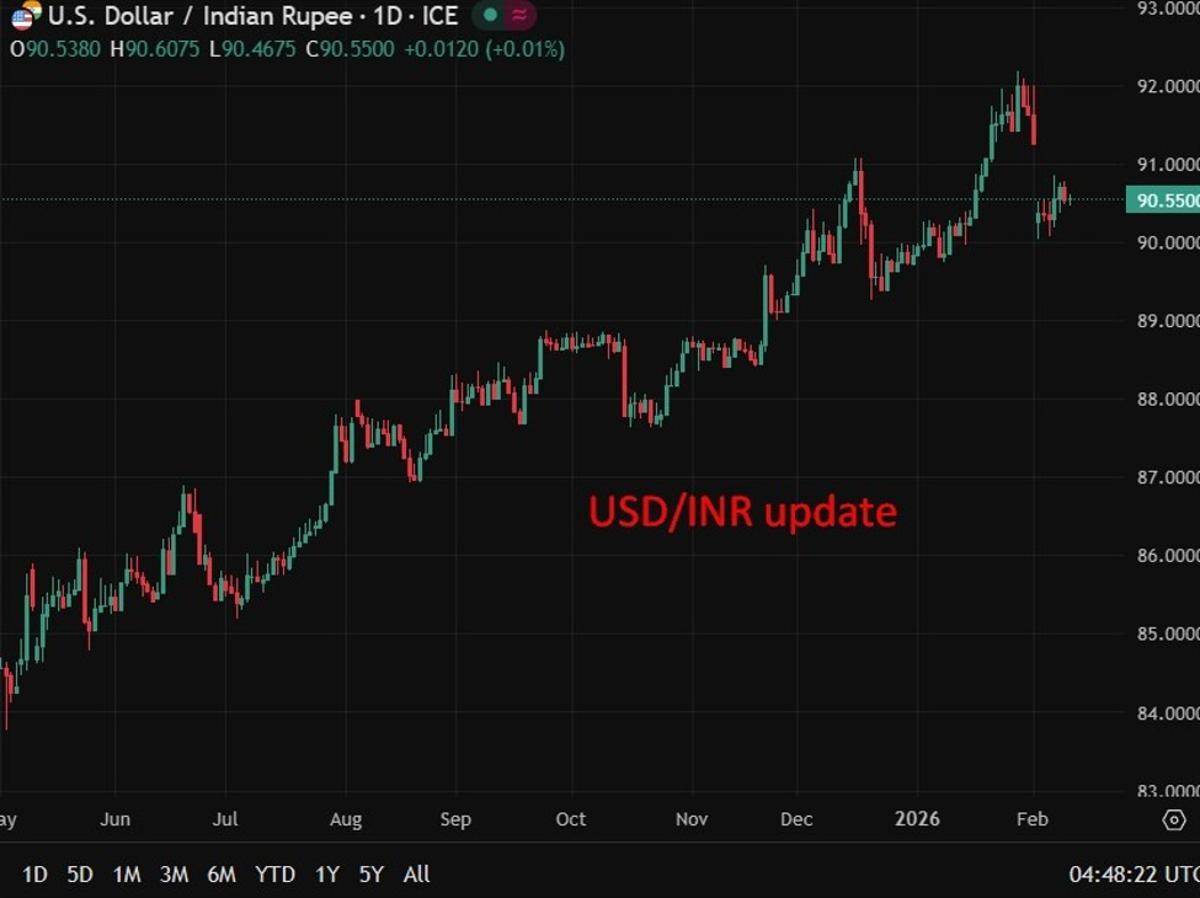
- •Market impact minimal; talks remain ongoing.
Summary
The White House has issued an updated U.S.–India trade factsheet, removing a reference to India cutting tariffs on pulses and softening language around digital services commitments. The document also shifts wording from India “intending” to purchase more U.S. goods to being “committed,” while still lacking concrete implementation details. These edits signal that negotiations on agriculture and digital taxation remain active and politically sensitive. Overall, the revisions reflect a recalibration of messaging rather than a collapse of the broader trade dialogue.
Pulse Analysis
The United States and India have been navigating a complex trade agenda that stretches beyond traditional goods into high‑growth sectors such as technology and agriculture. Recent revisions to the official factsheet underscore how both capitals are fine‑tuning their public narrative to manage domestic political pressures while keeping the dialogue alive. By adjusting phrasing rather than abandoning objectives, the White House signals a willingness to accommodate Indian sensitivities without conceding core U.S. interests, a strategy that mirrors broader diplomatic trends in Indo‑Pacific trade negotiations.
Agricultural market access, particularly for pulses like lentils and chickpeas, remains a flashpoint because these crops are integral to India’s food security and farmer livelihoods. The removal of any mention of tariff reductions suggests that Washington recognizes the political risk of pushing too hard on a sector where price volatility can trigger farmer unrest. For U.S. exporters, the ambiguity means short‑term uncertainty, but the underlying demand for Indian agricultural imports still offers long‑term growth potential if a mutually acceptable concession can be reached.
Digital services taxation has emerged as the most contentious issue, with the U.S. accusing India of unfairly targeting American tech firms. The softened language—shifting from a definitive ban on customs duties to a promise of continued negotiations—reflects a pragmatic approach to avoid a stalemate. As global digital economies expand, the outcome of these talks will set a precedent for how major economies reconcile revenue‑raising digital taxes with the need for open market access, influencing policy debates far beyond the bilateral corridor.
India is kicking Trump's butt on the trade deal, TACO time (again)


Comments
Want to join the conversation?