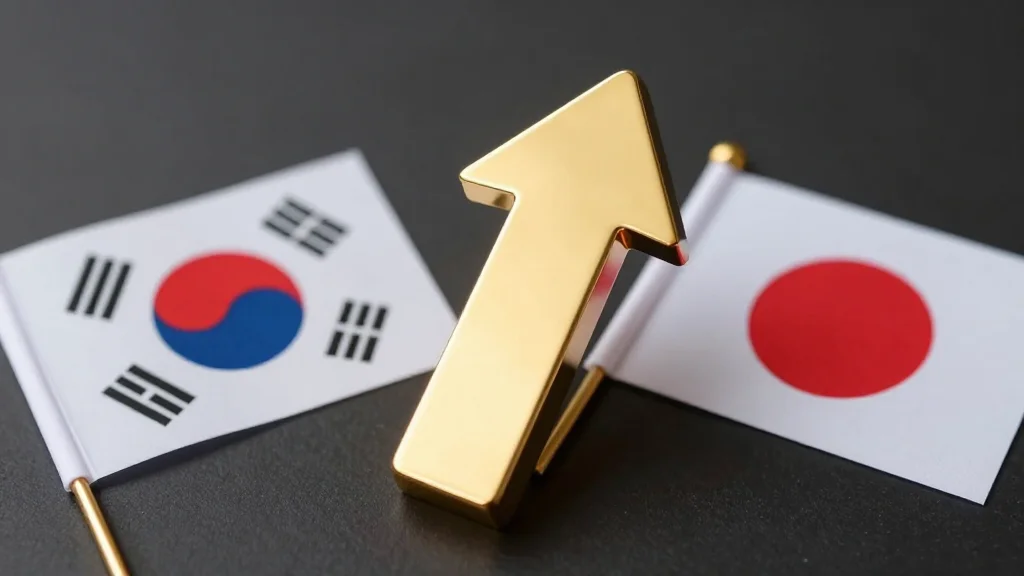
Asian Markets Rally 8% on Iran Deal Hopes, Samsung Union Pause, Nvidia Gains

Companies Mentioned
Why It Matters
The surge illustrates how quickly Asian equity markets can react to a blend of geopolitical, labor and technology catalysts. A potential US‑Iran peace deal would reduce regional risk premiums, encouraging capital inflows into emerging markets that have been under pressure from oil price spikes. Simultaneously, Samsung’s labor resolution signals a possible shift toward more flexible, equity‑linked compensation in the region’s largest conglomerates, which could reshape corporate governance and investor expectations. Nvidia’s earnings highlight the accelerating demand for AI infrastructure, positioning Asian chip manufacturers and downstream users to benefit from sustained spending on data centers and advanced computing. The convergence of these forces could accelerate valuation re‑ratings for technology‑heavy indices, but the upside remains contingent on diplomatic progress and the durability of labor agreements.
Key Takeaways
- •Kospi jumped 8.4% and Nikkei rose 3.1% on Thursday, the strongest single‑day gains in months.
- •Nvidia posted $81.6 billion in quarterly revenue, far beating Wall Street forecasts.
- •Samsung Electronics shares rose 8.5% after its union paused an 18‑day strike pending a tentative wage deal.
- •Oil prices rebounded, with Brent at $105.74 per barrel and WTI at $99.07 per barrel.
- •President Donald Trump described US‑Iran talks as on the ‘borderline’ between a deal and renewed attacks.
Pulse Analysis
The rally is a textbook case of how intertwined geopolitical risk and sector‑specific tailwinds can drive regional market dynamics. Historically, Asian equities have shown heightened sensitivity to Middle East developments because of their exposure to oil imports and trade routes. The current optimism mirrors the 2022 post‑deal‑talk rally, but the magnitude is amplified by the AI boom, which has injected a new growth narrative into the region’s tech‑heavy indices.
Samsung’s labor settlement could be a harbinger of broader shifts in corporate compensation structures across East Asia. By tying bonuses to stock performance, the company not only aligns employee incentives with shareholder returns but also creates a feedback loop that can buoy market sentiment when the firm posts strong earnings. If other conglomerates adopt similar schemes, we may see a gradual uplift in equity valuations tied to labor productivity.
However, the upside is fragile. The US‑Iran negotiations remain in a “final stages” window, and any derailment could quickly reverse risk appetite, as highlighted by Pepperstone’s Dilin Wu. Moreover, the inflationary pressure from rising producer prices in South Korea—up 2.5% month‑on‑month—suggests that domestic monetary policy could tighten, adding another layer of volatility. Investors should therefore calibrate exposure, balancing the AI‑driven growth story against the geopolitical and macro‑economic headwinds that could reshape the Asian market landscape in the weeks ahead.
Asian Markets Rally 8% on Iran Deal Hopes, Samsung Union Pause, Nvidia Gains
Comments
Want to join the conversation?
Loading comments...