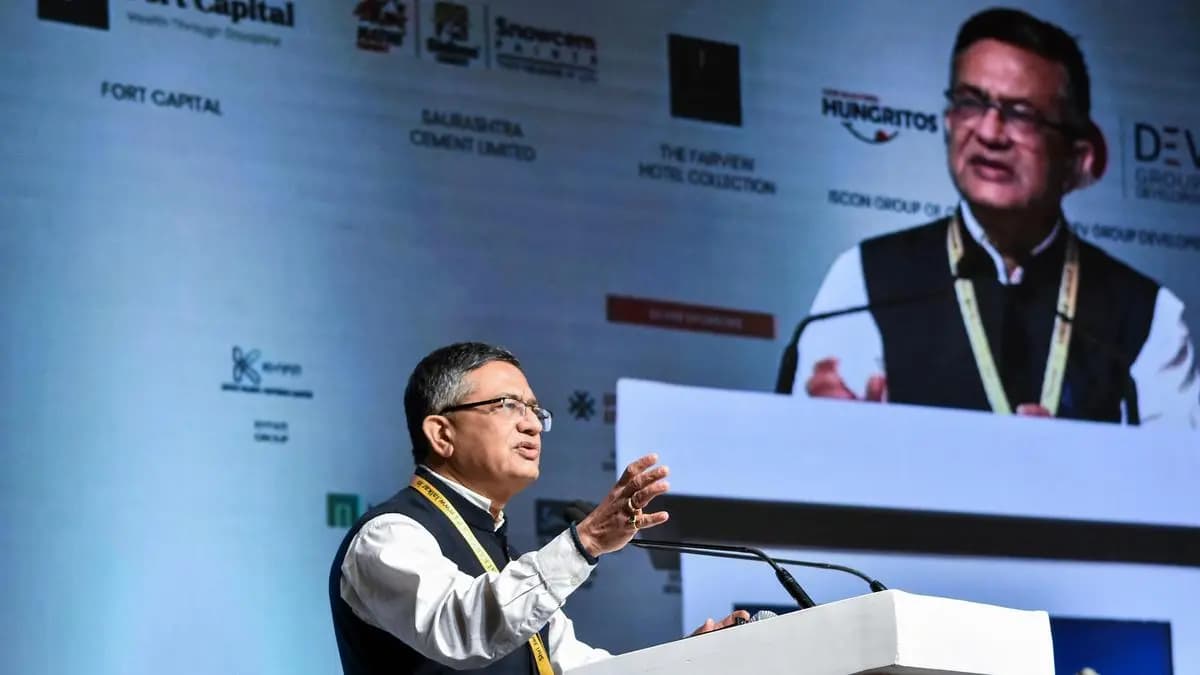
Higher F&O Taxes Won’t Deter Small Investors, Says NSE CEO Ashish Chauhan; Calls for Tax-Based Entry Filter
•March 1, 2026
0
Why It Matters
Linking market access to tax‑paying capacity could curb speculative retail trading while preserving liquidity, influencing future Indian derivatives regulation.
Key Takeaways
- •NSE CEO proposes tax‑based eligibility filter for F&O
- •Higher STT unlikely to deter retail derivatives traders
- •Qualification could require minimum annual tax of ₹10‑20 lakh
- •Past tax hikes in Korea slashed options market by 90%
- •Derivatives remain high‑risk for small investors
Pulse Analysis
The Indian government’s decision to raise the Securities Transaction Tax on futures‑and‑options contracts has sparked a debate about the most effective way to safeguard retail investors. NSE chief Ashish Chauhan contends that higher taxes act more like a lottery ticket than a deterrent; traders will continue to participate despite increased costs. Instead, he proposes a qualification framework based on an investor’s annual tax contributions, effectively filtering out participants who lack sufficient financial standing. This approach mirrors eligibility criteria used in mature markets such as the United States and Singapore, where capital or net‑worth thresholds help maintain market integrity while still encouraging active participation.
International precedents reinforce Chauhan’s argument. South Korea’s experience is a cautionary tale: heavy taxation of options in 2012 led to a 90 percent collapse in trading volume, prompting a later reversal to revive the market. Conversely, the United States and Singapore employ stringent entry requirements without relying solely on punitive taxes, balancing investor protection with market depth. Chauhan also highlighted the disparity in contract values, noting that India’s average options contract is $100 versus the U.S.’s $1 million, underscoring the outsized influence of small investors in the Indian derivatives ecosystem.
If regulators adopt a tax‑based eligibility filter, the immediate impact could be a reduction in speculative, low‑capital trades, potentially lowering systemic risk. However, overly restrictive thresholds might also diminish market liquidity and deter genuine retail participation, which has been a growth engine for Indian exchanges. Policymakers will need to calibrate thresholds carefully, perhaps integrating tiered limits that align with investors’ tax histories and risk profiles. The outcome will shape the future trajectory of India’s derivatives market, balancing the twin goals of protection and expansion.
Higher F&O taxes won’t deter small investors, says NSE CEO Ashish Chauhan; calls for tax-based entry filter
0
Comments
Want to join the conversation?
Loading comments...