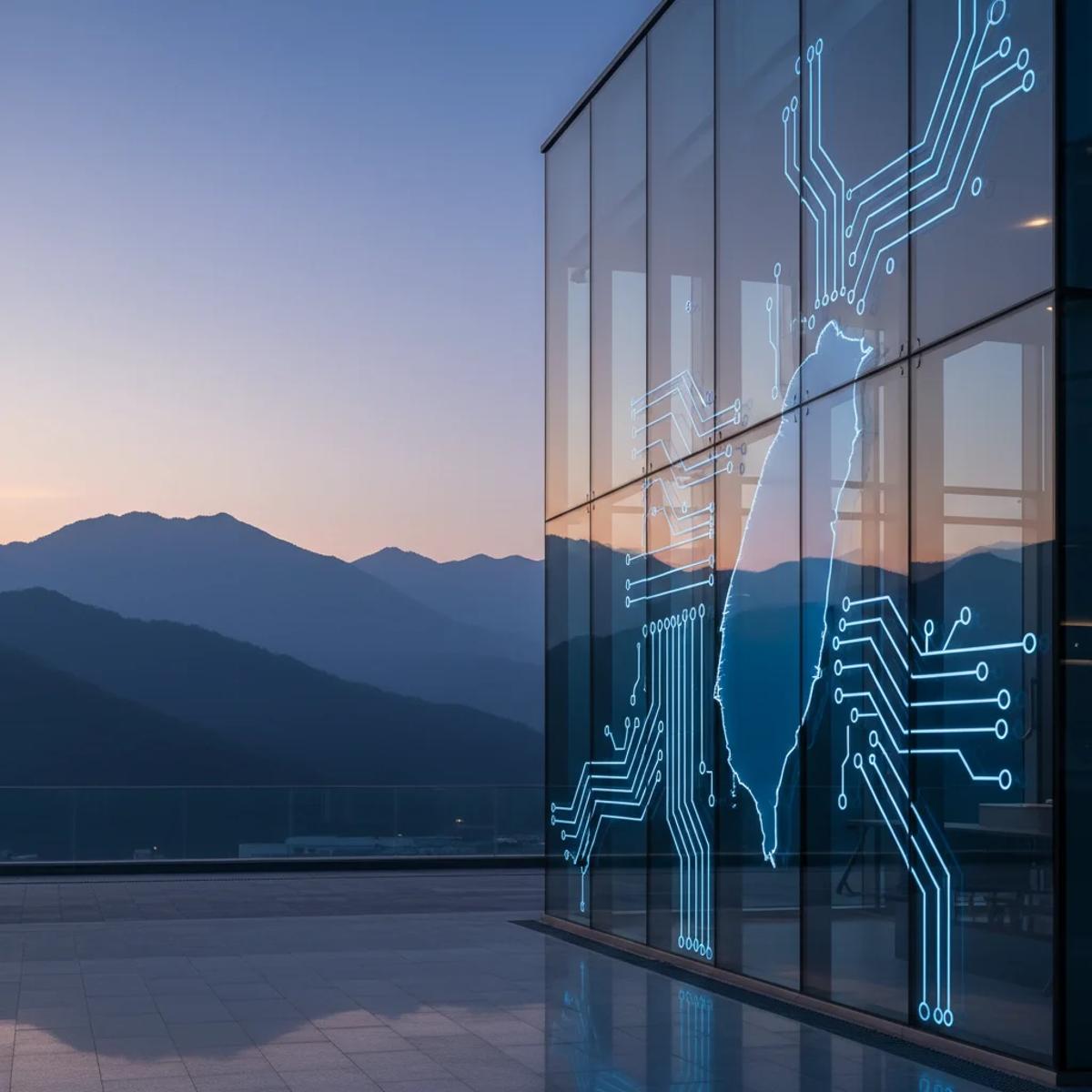
ITRI Breaks Ground on NT$3.77 Billion Advanced Chip R&D Base

Companies Mentioned
Why It Matters
The base accelerates Taiwan’s chip‑design-to‑fab cycle, enhancing supply‑chain resilience and preserving the island’s competitive edge in advanced semiconductor technologies.
Key Takeaways
- •ITRI invests NT$3.77B in advanced chip R&D base
- •TSMC donates three 12‑inch advanced process tools
- •Facility aims to cut development cycles by 30%
- •Clean‑room construction accounts for majority of budget
- •Base targets pilot production, packaging, and equipment verification
Pulse Analysis
Taiwan’s semiconductor dominance rests on a tightly knit innovation pipeline that blends government funding, research institutes, and foundry expertise. The Industrial Technology Research Institute’s new Advanced Semiconductor R&D Base, a NT$3.77 billion public‑investment project, exemplifies this model by providing a dedicated clean‑room campus for next‑generation chip trials. Scheduled for completion by the end of 2027, the facility’s high‑bay structure and seismic‑resistant design are tailored to accommodate heavy pilot lines and advanced packaging equipment, positioning it as a national hub for silicon‑based breakthroughs. The investment also reflects Taiwan’s strategic push to diversify beyond mass production, targeting high‑value nodes such as 3‑nm and beyond, where design‑centric services become critical.
The groundbreaking ceremony highlighted a rare level of private‑sector participation, with TSMC contributing three 12‑inch advanced‑process tools and offering plant‑design guidance. Such contributions accelerate the base’s ability to deliver trial production and process verification services that can shave roughly 30 percent off typical product‑development timelines. By consolidating design‑for‑manufacturing validation, equipment calibration, and material testing under one roof, the center reduces reliance on overseas facilities and shortens feedback loops for Taiwan’s fab ecosystem. Early collaborations with United Microelectronics and Vanguard International are slated to pilot 5‑nm and 7‑nm process modules, providing real‑world feedback for fab scaling.
Beyond immediate R&D gains, the base strengthens Taiwan’s supply‑chain resilience amid global chip shortages and geopolitical tensions. Its focus on submicron sensing chips, advanced packaging, and localized equipment verification aligns with industry moves toward heterogeneous integration and edge‑computing applications. In the longer term, the facility could serve as a testbed for emerging materials like silicon‑carbide and gallium‑nitride, further broadening Taiwan’s technology portfolio. As other regions race to build similar ecosystems, ITRI’s initiative signals that Taiwan will maintain a competitive edge by coupling state‑backed capital with the technical depth of its leading foundries.
ITRI breaks ground on NT$3.77 billion advanced chip R&D base


Comments
Want to join the conversation?
Loading comments...