Mainland Investors Buy Dip On Earnings Unease
•February 12, 2026
0
Key Takeaways
- •Mainland investors net bought $600 M of Hong Kong stocks
- •Tencent, Xiaomi, Meituan led internet stock purchases
- •NetEase earnings miss pressured Hang Seng Tech index
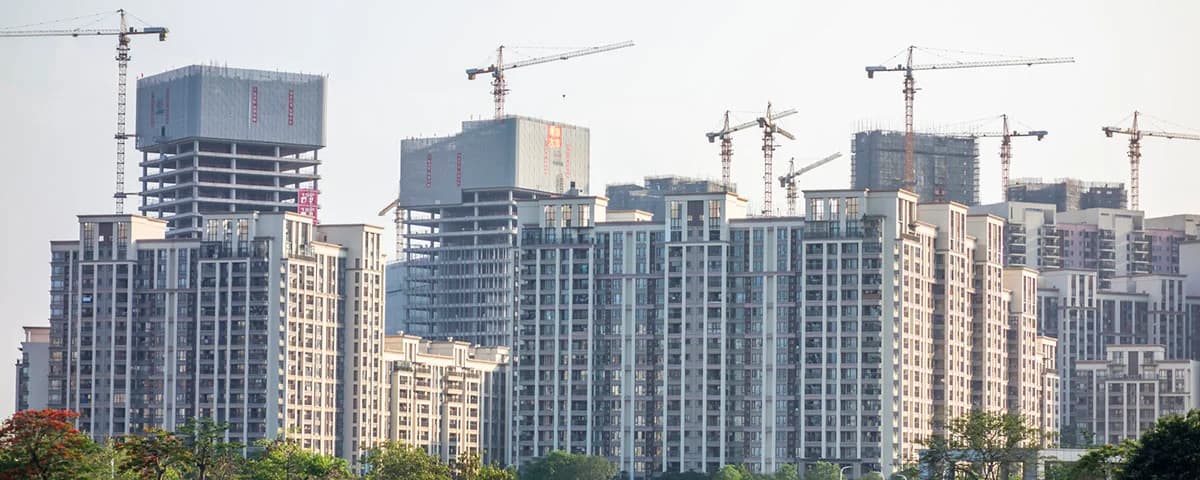
- •Vanke plans RMB 20 bn debt‑equity raise
- •China AI battle centers on ByteDance, Alibaba, Tencent
Summary
Mainland investors used the final pre‑Lunar New Year Stock Connect window to snap up roughly $600 million of Hong Kong‑listed shares, focusing on internet giants Tencent, Xiaomi and Meituan. The broader Asian equity landscape was mixed, with Korea and Thailand gaining while Hong Kong’s Hang Seng Tech index fell amid a NetEase earnings miss and limited Q4 catalysts. Moody’s downgraded Meituan’s outlook, but investors appear to view the dip as a buying opportunity. Meanwhile, Vanke announced a RMB 20 billion debt‑equity raise and China’s auto sector faced a new price‑floor rule.
Pulse Analysis
The last day of Stock Connect before the Lunar New Year holiday saw mainland investors channeling roughly $600 million into Hong Kong equities, a clear contrarian move that underscores the strategic use of cross‑border capital flows. By targeting undervalued internet and technology names, mainland buyers aim to capture price appreciation once holiday trading resumes, potentially stabilising the Hang Seng Tech index and reinforcing the relevance of Stock Connect as a liquidity conduit between the two markets.
Earnings season added a layer of uncertainty, with NetEase reporting a miss that dragged down the broader tech sector. The lack of upcoming Q4 earnings from major Chinese internet firms left the market without fresh positive catalysts, while Moody’s downgrade of Meituan highlighted competitive pressures in instant commerce. Nevertheless, the net buying suggests investors are betting that the earnings dip is temporary and that margins will recover, especially as companies like Tencent and Xiaomi continue to benefit from robust user ecosystems.
Beyond the immediate trade dynamics, the article hints at structural shifts shaping China’s market outlook. Vanke’s RMB 20 billion debt‑equity raise reflects renewed state backing for beleaguered developers, while the new legal restriction on selling cars below cost signals tighter regulation of the auto sector. Simultaneously, the AI race among ByteDance, Alibaba and Tencent is intensifying, with each player leveraging massive data pools and compute power to dominate future growth. These macro trends suggest that while short‑term volatility persists, strategic capital allocation and policy developments will drive the next phase of Chinese market performance.
Comments
Want to join the conversation?