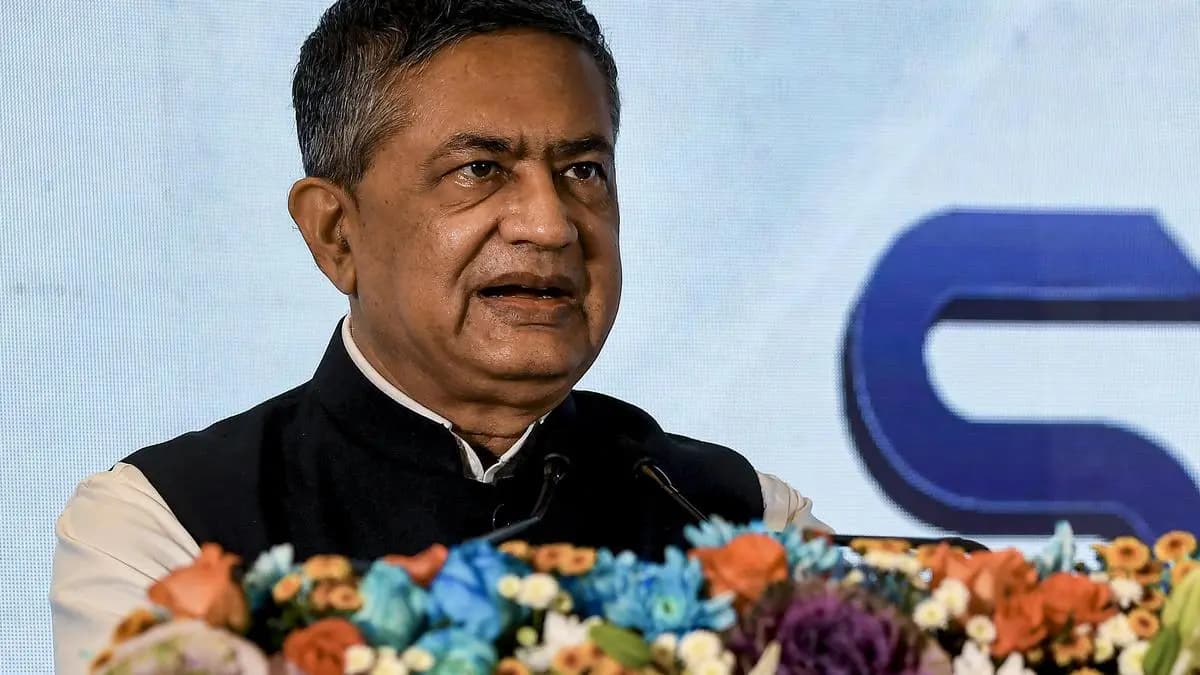
NSE Shares Won't List on NSE; IPO to Be Entirely OFS, Says CEO Ashish Chauhan
•March 1, 2026
0
Why It Matters
The OFS structure provides liquidity to NSE’s 195,000 shareholders while enhancing market transparency and governance for a critical financial market infrastructure.
Key Takeaways
- •NSE will list on another exchange, not its own
- •IPO uses Offer for Sale, raising no new capital
- •SEBI granted NOC after decade, DRHP filing soon
- •Listing expected to boost transparency and governance
- •Valuation speculations around $50B remain unconfirmed
Pulse Analysis
India’s regulatory framework uniquely bars exchanges from self‑listing, a rule designed to prevent conflicts of interest and ensure independent oversight. The NSE’s decision to list on a rival platform, such as the BSE, underscores the country’s commitment to market integrity. This contrasts with global peers like ICE, which trade their own shares, highlighting how domestic policy shapes capital‑raising strategies for critical infrastructure entities.
The Offer for Sale (OFS) model chosen by the NSE reflects a broader trend in Indian IPOs where existing owners monetize stakes without diluting the company’s balance sheet. By channeling proceeds directly to shareholders, the exchange preserves its capital for growth initiatives while delivering immediate liquidity to a dispersed investor base. The approach also simplifies regulatory approval, as SEBI focuses on share transfer mechanics rather than new capital infusion, potentially accelerating the listing timeline.
Beyond mechanics, the public listing is poised to elevate the NSE’s governance standards. A wider shareholder constituency and continuous market scrutiny compel greater disclosure, aligning the bourse with best‑in‑class transparency practices seen after the listings of LIC and other utilities. While valuation remains uncertain, the market’s reaction will likely hinge on the exchange’s profitability, growth outlook, and the broader macro environment, making the upcoming OFS a bellwether for investor confidence in India’s financial infrastructure.
NSE shares won't list on NSE; IPO to be entirely OFS, says CEO Ashish Chauhan
0
Comments
Want to join the conversation?
Loading comments...