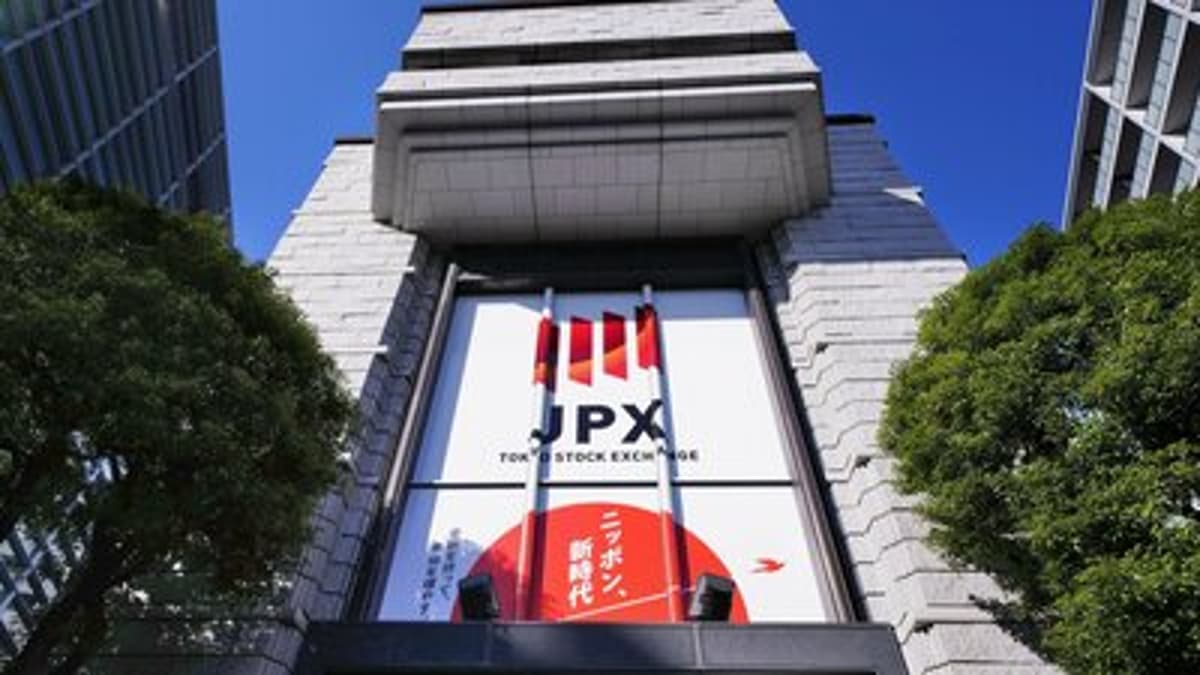
Tokyo Stocks Rise, Nikkei up 4%, on News of U.S.-Iran Cease-Fire Efforts
•March 5, 2026
0
Why It Matters
The market’s swift rebound highlights how geopolitical developments directly influence Japanese equities and currency dynamics, underscoring the sensitivity of Asian markets to US‑Middle East diplomacy.
Key Takeaways
- •Nikkei surged over 4% before settling at +1.9%
- •Topix mirrored gains, rising 1.9% to 3,702.67
- •Cease‑fire hopes eased risk appetite, boosting equities
- •Dollar slipped to mid‑156 yen, supporting imports
- •Oil price rise later trimmed market gains
Pulse Analysis
The prospect of a U.S.–Iran cease‑fire injected fresh optimism into risk‑averse investors, sharply reducing the geopolitical risk premium that had been depressing Asian equity markets. Historically, any de‑escalation in the Middle East prompts a rapid reallocation from safe‑haven assets back into equities, and the Tokyo market’s reaction was no exception. By tempering fears of broader conflict, the news allowed traders to re‑price earnings expectations for export‑oriented firms and revive interest in growth sectors.
In Japan, the rally was led by heavyweights in mining, oil and coal, and banking, reflecting both commodity‑linked earnings and the sector’s sensitivity to currency movements. The yen’s dip to the mid‑156 per dollar lowered import costs for raw materials, bolstering profit margins for resource companies while making Japanese exports more competitive. Equity strategists also cited a wave of share buybacks, a common tactic in Japan to signal confidence and support share prices during periods of uncertainty.
Looking ahead, market participants will monitor two key variables: the durability of any cease‑fire agreement and the trajectory of crude oil prices. A sustained de‑escalation could keep the yen modest and maintain the current equity upside, whereas renewed hostilities would likely reverse gains and reignite safe‑haven flows. Investors are therefore advised to balance exposure across defensive sectors while staying agile to geopolitical cues that can swiftly reshape market sentiment.
Tokyo stocks rise, Nikkei up 4%, on news of U.S.-Iran cease-fire efforts
0
Comments
Want to join the conversation?
Loading comments...