Canada Trade Minister Meets BYD, Xpeng During China Visit to Pitch EV Investments
Key Takeaways
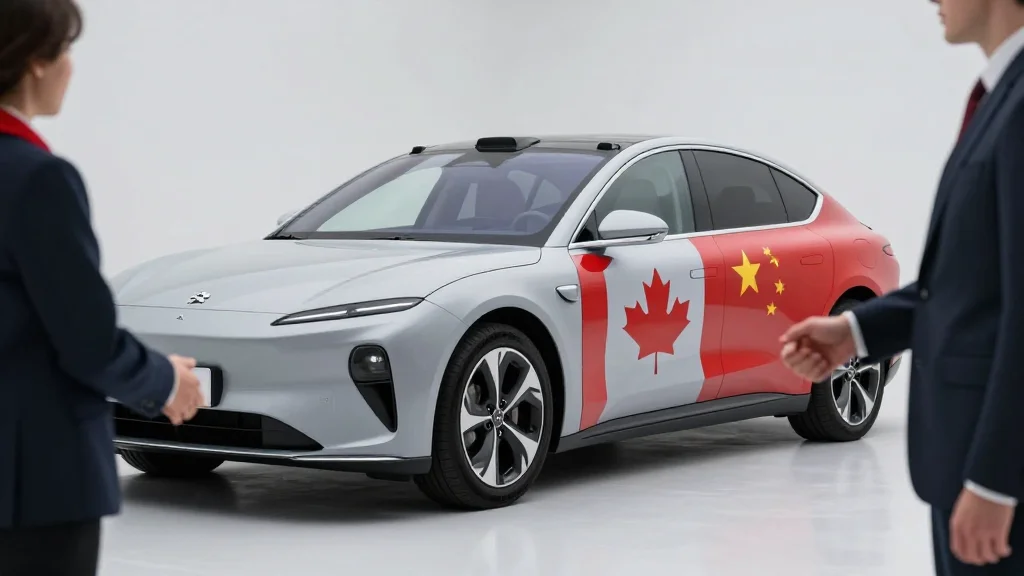
- •Canada permits 49,000 Chinese EVs yearly at 6.1% tariff
- •BYD eyes wholly owned Canadian manufacturing plant, avoiding joint ventures
- •Canadian officials demand local labor and parts for any auto investment
- •US warns of retaliation if Canada becomes EV backdoor to US market
- •Stellantis may produce Leapmotor EVs at idled Brampton plant
Pulse Analysis
The January "EV‑for‑canola" pact represents a strategic pivot for Canada, swapping a steep 100% tariff on Chinese electric vehicles for a modest 6.1% rate while securing a dramatic cut in Chinese duties on Canadian canola—from roughly 85% to 15%. This reciprocal concession not only bolsters Canada’s agricultural export agenda but also creates a clear pathway for up to 49,000 Chinese‑built EVs to enter the market each year, potentially accelerating the nation’s transition to zero‑emission transportation and expanding consumer choice.
For automakers, the deal is a double‑edged sword. BYD’s senior leadership is actively scouting a wholly owned assembly plant in Canada, a model that sidesteps the joint‑venture framework traditionally favoured by foreign investors. Meanwhile, Canadian Industry Minister Melanie Joly insists any new auto projects must source local labour and components, a requirement that could reshape supply‑chain configurations and stimulate domestic parts manufacturing. Stellantis’s exploratory talks with Leapmotor to revive the idle Brampton facility illustrate how legacy manufacturers are eyeing Chinese partnerships to fill capacity gaps, yet both initiatives must navigate U.S. concerns that Canada could become a backdoor for Chinese EVs into the American market.
Beyond the automotive sector, the broader economic implications are significant. The delegation of nearly 40 Canadian firms to the China International Consumer Products Expo resulted in 24 new agreements, underscoring a renewed appetite for bilateral commerce across agri‑food, energy and technology. As China remains Canada’s second‑largest trading partner with two‑way merchandise flows of about $125.1 billion in 2025, the EV tariff reduction could serve as a catalyst for deeper integration, provided policymakers balance trade liberalisation with domestic industry safeguards and geopolitical sensitivities.
Canada trade minister meets BYD, Xpeng during China visit to pitch EV investments
Comments
Want to join the conversation?