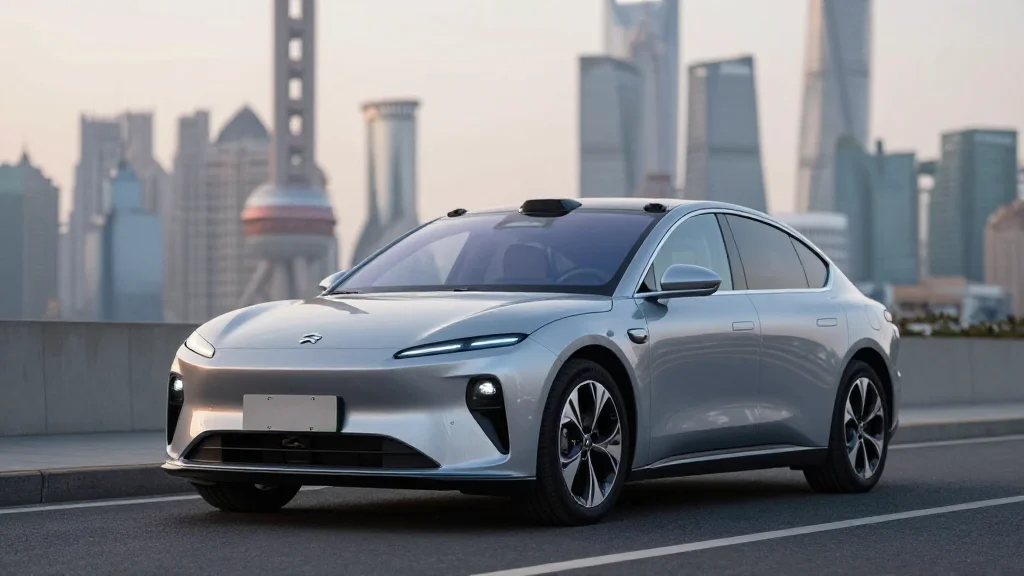
China Mar NEV Retail Sales Improve Significantly From Feb, Though Year-on-Year Decline Continues
Key Takeaways
- •March NEV retail sales hit 848,000 units, +82.6% MoM.
- •Year‑on‑year NEV sales fell 14.4%, third month of decline.
- •BEVs made up 67% of NEV sales, up from 60% in Feb.
- •NEV exports surged 140% YoY to 349,000 units.
- •Domestic brands achieved 73.5% NEV penetration, far above JV rivals.
Pulse Analysis
The March data underscores a turning point for China’s new‑energy‑vehicle market. After months of declining year‑on‑year figures, a near‑doubling of domestic sales from February suggests that pent‑up demand and easing of holiday‑season constraints are finally translating into showroom traffic. Analysts attribute the bounce to a combination of local subsidies, expanding charging infrastructure, and a refreshed model lineup that aligns with consumer preferences for longer‑range battery‑electric cars. While overall passenger‑vehicle sales remain 15% lower than a year ago, the NEV segment’s share rose to 51.5%, indicating a structural shift toward electrification.
Battery‑electric vehicles now dominate the Chinese NEV mix, capturing roughly two‑thirds of retail volume. This surge is driven by both legacy manufacturers accelerating BEV rollouts and pure‑play EV firms leveraging cost‑effective battery sourcing. Domestic brands, in particular, have leveraged their price advantage and localized supply chains to achieve a 73.5% penetration rate, dwarfing the 6.2% seen in joint‑venture marques. The rapid adoption of BEVs is reshaping component demand, prompting a surge in domestic battery cell production and prompting automakers to re‑engineer platforms for higher electric ranges.
Export performance provides the most striking signal of China’s growing influence in the global EV arena. A 140% year‑on‑year jump to 349,000 units pushed NEVs to account for just over half of all passenger‑vehicle exports, reflecting strong demand in Europe and emerging markets for competitively priced electric models. This export momentum benefits not only Chinese manufacturers but also foreign players like Tesla, which reported a 46.9% retail sales increase in the same month. Looking ahead, sustained export growth combined with domestic market resilience positions China as the world’s leading hub for electric vehicle production and a key driver of the global shift toward sustainable mobility.
China Mar NEV retail sales improve significantly from Feb, though year-on-year decline continues
Comments
Want to join the conversation?