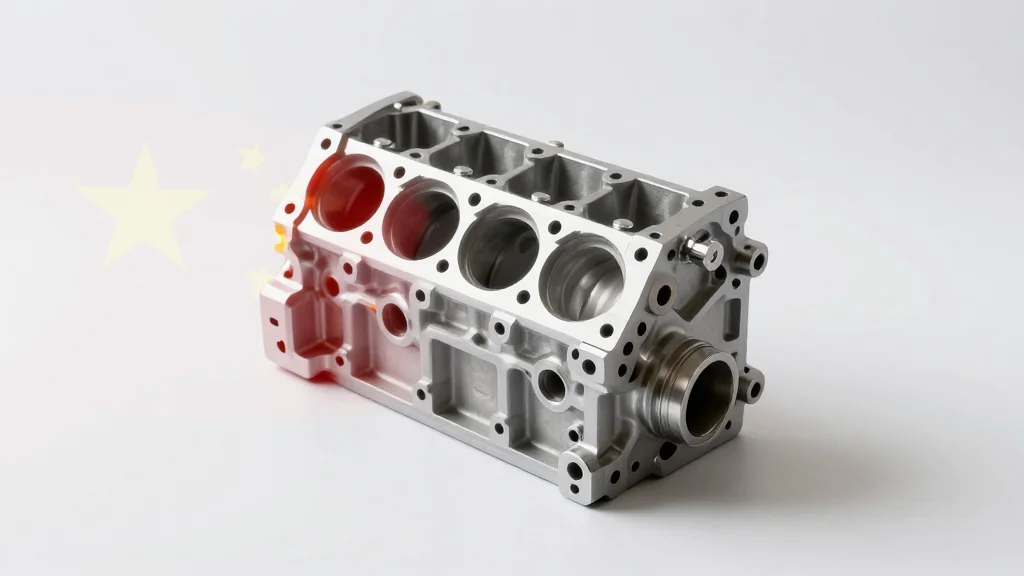
Chinese EVs Absent From U.S. Roads, But Parts Under The Hood Are Alarming
Key Takeaways
- •Chinese firms own stakes in ~10,000 U.S. auto parts suppliers
- •Up to 20% of parts in GM, Ford, Toyota models from China
- •Tesla and GM cut Chinese parts, but 40 U.S. models still dependent
- •Chinese suppliers may reach 22 of top 100 by 2030
Pulse Analysis
The United States has long guarded its automotive market against a flood of inexpensive Chinese cars, but a quieter wave of Chinese‑made components has surged through the supply chain. Consulting firm AlixPartners estimates Chinese ownership in about 10,000 U.S. parts suppliers, meaning that critical systems—from airbags to transmissions—often trace back to Beijing. This penetration is evident in high‑profile models: a six‑speed manual transmission in the Ford Mustang GT, roughly 15% of the Toyota Prius plug‑in’s parts, and up to 20% of components in GM’s Chevrolet Trax, Blazer EV, and Equinox EV. Such depth raises alarms among lawmakers who view supply‑chain dependence as a strategic vulnerability.
Automakers are responding unevenly. Tesla has instituted a policy to purge Chinese components from vehicles built in the United States, and GM reports that Chinese material spending now falls below 3% for its U.S. production. Yet the Wall Street Journal notes that at least 40 models on American showrooms still rely heavily on Chinese parts, highlighting the difficulty of rapid re‑sourcing. The entrenched nature of these components—often sourced from long‑standing Tier‑1 suppliers—means that replacing them involves redesign, certification, and new supplier qualification, all of which can delay product launches and increase costs.
The broader geopolitical stakes are sharpening. As Chinese firms climb from a single presence in the 2012 top‑100 auto suppliers list to an anticipated 22 by 2030, the U.S. faces a strategic crossroads. Congressional leaders have already urged the Treasury, Commerce and U.S. Trade Representative offices to block Chinese automotive and battery manufacturing on American soil. Decoupling the supply chain could revive domestic parts manufacturers, bolster national security, and reduce the risk of technology transfer to a potential adversary. However, achieving that shift will require coordinated policy, industry investment, and a clear timeline for transitioning to home‑grown alternatives.
Chinese EVs Absent From U.S. Roads, But Parts Under The Hood Are Alarming
Comments
Want to join the conversation?