Electric Vehicle Motors Convert Rare Earths Into Torque
Key Takeaways
- •NdFeB magnets contain ~30% rare earths, enabling compact high‑torque EV motors
- •Heavy rare earths like dysprosium boost magnet performance at temperatures above 150 °C
- •China supplies over 85% of global rare‑earth processing, creating supply‑risk
- •Recycling and grain‑boundary diffusion could cut heavy‑rare‑earth use by up to 70%
Pulse Analysis
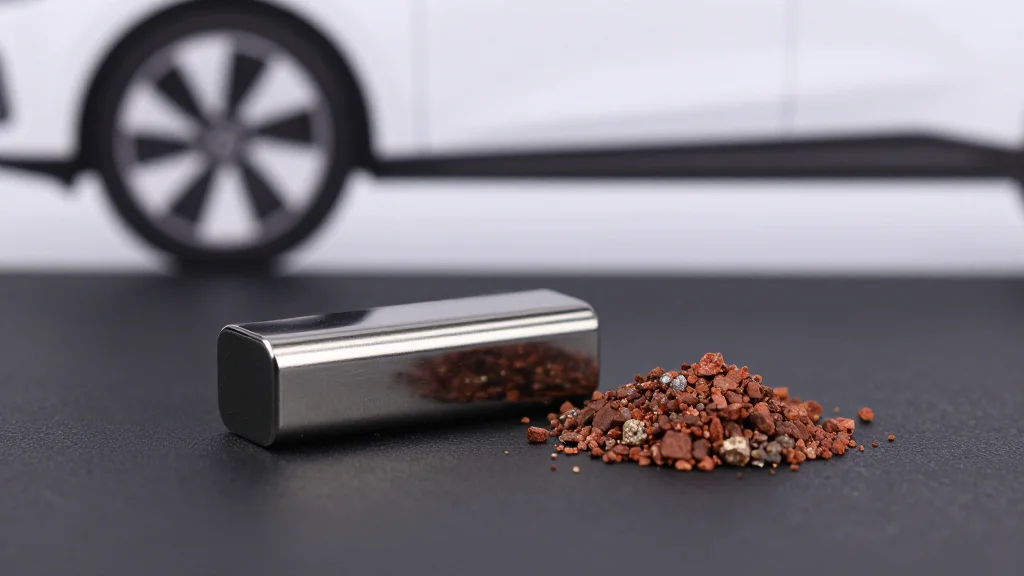
Permanent‑magnet traction motors are the workhorse of most modern electric cars because they combine high power density with exceptional efficiency. Neodymium‑iron‑boron (NdFeB) magnets, which make up roughly 30 % of a motor’s mass, generate a strong magnetic field that allows engineers to shrink the rotor while preserving torque output. Adding small percentages of heavy rare earths such as dysprosium or terbium stabilizes that field at temperatures above 150 °C, ensuring consistent performance during aggressive acceleration or long‑haul driving. The result is a drivetrain that can exceed 94 % efficiency, extending vehicle range and reducing energy waste.
Despite their technical advantages, the magnets that power EVs are tied to a fragile supply chain. Over 85 % of rare‑earth processing capacity and an even larger share of magnet production reside in China, making the sector vulnerable to export curbs and environmental shutdowns. Prices for neodymium oxide have swung between $50 and $150 per kilogram, while dysprosium oxide can reach $400, directly inflating motor costs and prompting automakers to hold strategic inventories. This concentration has spurred policy initiatives in the United States, Europe and Australia to fund domestic separation plants and recycling projects.
Manufacturers are responding with both material‑efficiency tricks and design diversification. Grain‑boundary diffusion now places dysprosium only where it prevents demagnetization, cutting heavy‑rare‑earth usage by up to 70 % without sacrificing high‑temperature performance. At the same time, recycling streams that recover neodymium and dysprosium from production scrap are moving toward commercial scale, promising a secondary source that can offset new mining. On the design side, some commercial vehicles are adopting induction or switched‑reluctance motors that eliminate rare‑earths altogether, while passenger cars continue to favor permanent‑magnet units for maximum range. The convergence of these approaches should ease supply pressure and stabilize costs over the next decade.
Electric Vehicle Motors Convert Rare Earths Into Torque
Comments
Want to join the conversation?