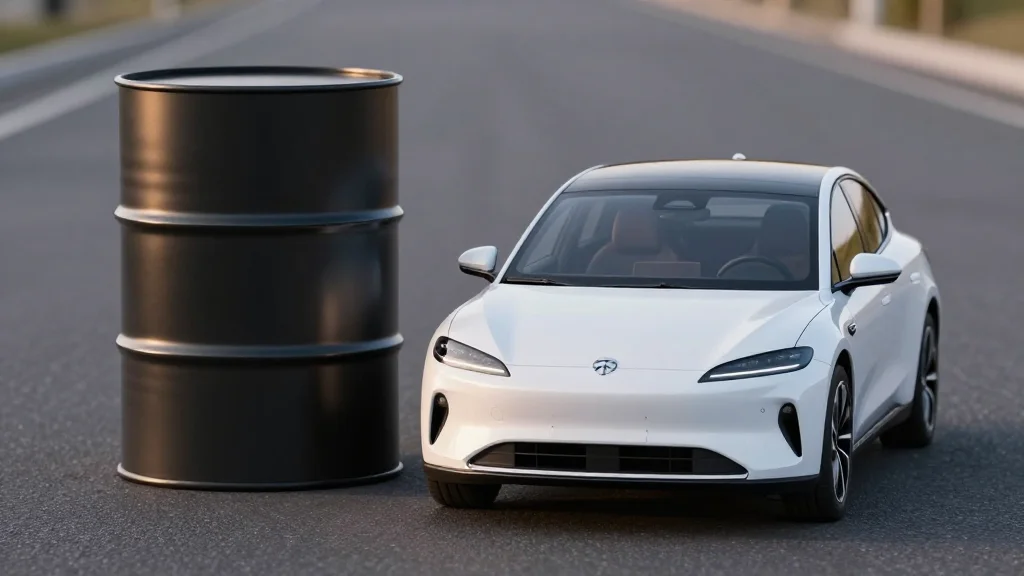
Leaked: Car Industry’s Latest Demands Could Cost EU Extra €74 Billion In Oil Imports
Key Takeaways
- •ACEA seeks five‑year averaging of 2030 CO₂ targets
- •Proposal could keep BEV share at 21% through 2030s
- •EU could import $80 bn more oil 2026‑2035
- •PHEV utility factor cancellation would boost polluting sales
- •German government adopted ACEA stance, slowing electrification
Pulse Analysis
The European car industry is pressing for a softer regulatory framework just as consumer appetite for electric vehicles surges. By extending the averaging period for 2030 CO₂ limits from three to five years and eliminating the utility‑factor credit that rewards efficient plug‑in hybrids, ACEA aims to preserve sales of internal‑combustion models. This shift would stall the projected rise in BEV market share, keeping it near the current 21% level rather than the 57% mandated for 2030 under existing rules. Such a slowdown threatens the EU’s broader climate agenda and its ambition to lead the global auto transition.
Transport & Environment’s analysis translates the regulatory slack into a concrete economic hit: an estimated €74 billion—about $80 billion—extra oil imports over the 2026‑2035 horizon. The additional crude demand would not only inflate fuel prices for European motorists, already paying around €2 per litre, but also lock in higher CO₂ emissions, potentially adding 2.4 gigatonnes through 2050. In an era of volatile energy markets, this added oil dependency undermines energy security and erodes the cost‑competitiveness of European manufacturers against rivals such as China, which are rapidly scaling up fully electric production.
Politically, the proposal has already found traction in Germany, where the government echoed ACEA’s call to prolong sales of polluting PHEVs. This alignment of industry lobbying with national policy risks diluting the EU’s Clean Corporate Fleets law and other upcoming measures aimed at accelerating electrification. Stakeholders argue that maintaining, or even tightening, current CO₂ targets is essential to protect consumer interests, meet climate commitments, and preserve Europe’s automotive leadership. The debate now centers on whether policymakers will resist industry pressure and keep the regulatory course that drives a faster, more sustainable transition to electric mobility.
Leaked: Car Industry’s Latest Demands Could Cost EU Extra €74 Billion In Oil Imports
Comments
Want to join the conversation?