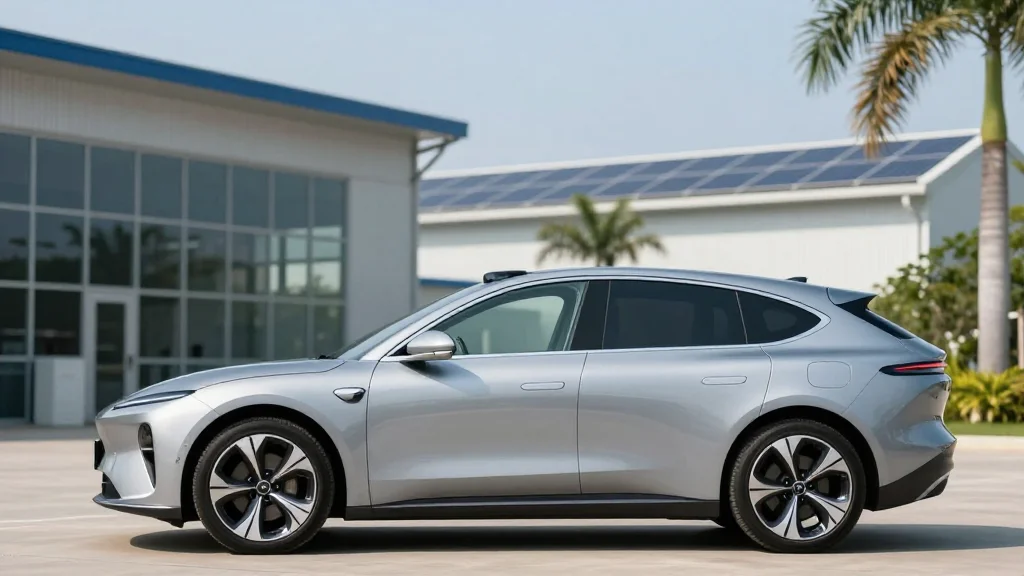
Stellantis Begins Leapmotor Vehicle Assembly in Malaysia After Five-Month Delay
Key Takeaways
- •Stellantis allocated $2.59 M for Leapmotor assembly setup in Malaysia.
- •Production line upgrade budget totals $3.61 M at Gurun plant.
- •First model assembled: Leapmotor C10 SUV, B10 to follow 2026.
- •Leapmotor delivered 81,569 vehicles in May, up 81% YoY.
- •Joint venture targets 1 million EV deliveries by 2026.
Pulse Analysis
Stellantis’ decision to commence Leapmotor assembly in Malaysia marks the most tangible step of its Southeast Asian electrification push since the 2023 €1.5 billion (≈ $1.75 billion) stake acquisition in the Chinese EV maker. By allocating $2.59 million for the initial setup and an additional $3.61 million for line upgrades, the automaker is converting a strategic partnership into production capacity. The C10 SUV, already selling for about $19,000 in China, serves as a testbed for the joint venture’s ambition to reach one million global deliveries by 2026, a target that would place the partnership among the world’s largest EV manufacturers.
The Gurun facility in Kedah offers Stellantis a gateway to the ASEAN market, where EV adoption is projected to exceed 5 million units by 2030. Local assembly reduces tariffs, shortens supply chains, and aligns with Malaysia’s policy incentives for high‑voltage vehicle manufacturing, including certification for handling up to 800 V systems. While the current output focuses on domestic demand, the company is already evaluating export corridors to neighboring Indonesia, Thailand and the Philippines. This approach mirrors the competitive strategies of rivals such as Toyota and Hyundai, which are also establishing regional production hubs.
Beyond Malaysia, Stellantis is replicating the model in Europe, with a new Leapmotor line slated for Zaragoza, Spain, and a potential transfer of its Madrid plant to the Leapmotor International joint venture. An early‑stage study even explores reviving an idle Canadian plant for North‑American production. These parallel projects illustrate Stellantis’ intent to diversify its EV supply base and mitigate geopolitical risks tied to China‑centric manufacturing. For investors, the rapid rollout signals a commitment to capture market share in both emerging and mature markets, while offering a scalable platform for future model introductions.
Stellantis begins Leapmotor vehicle assembly in Malaysia after five-month delay
Comments
Want to join the conversation?