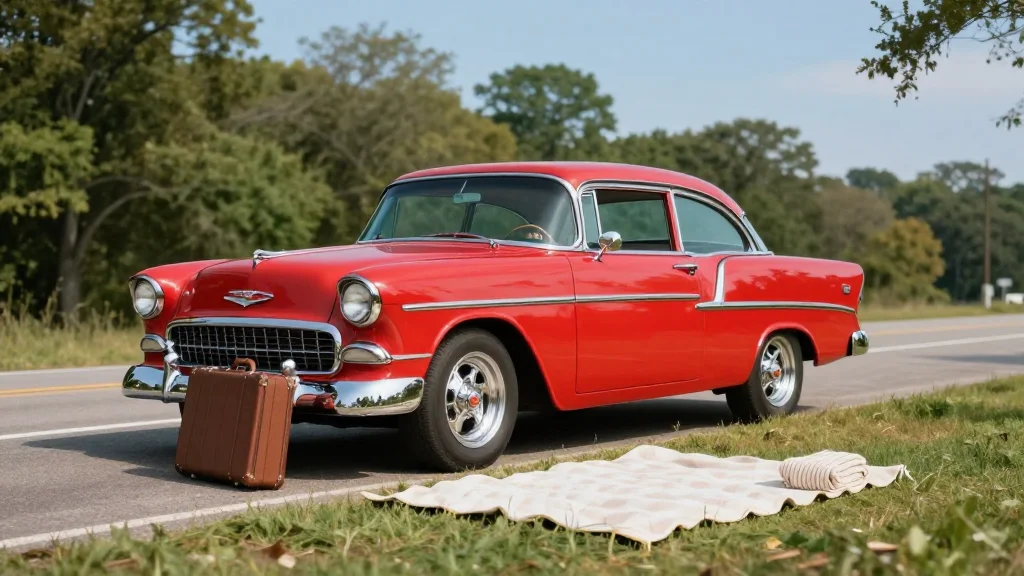
Whatever Happened To The Affordable Car?
Key Takeaways
- •Average new car price now about $50,000, double inflation‑adjusted cost
- •Repair bills rose 15%, average mechanic visit $840, straining budgets
- •Repossession filings projected to exceed three million by end‑2026
- •Off‑lease EVs entering market could lower used‑car prices dramatically
- •Removing tariffs on foreign cars could cut U.S. prices up to 20%
Pulse Analysis
From the post‑war era when a new sedan could be bought for under $2,000, the American automobile market has transformed into a high‑tech, safety‑laden segment where the average new vehicle now costs roughly $50,000. Consumers pay for automatic transmissions, climate control, advanced infotainment, and dozens of electronic control units, as well as stringent crash‑worthiness and emissions standards. While these features improve comfort and safety, they also inflate manufacturing complexity and price, pushing the baseline of affordable transportation far beyond what inflation alone would dictate.
The surge in vehicle cost has created a widening affordability gap, especially for lower‑income households. Economist Clifford Winston notes that repair bills have jumped 15% in the past year, with an average shop visit now around $840—an amount many families cannot cover. Consequently, repossession filings are projected to top three million by the close of 2026, echoing recession‑era distress. Without reliable personal transport, workers in suburban and rural areas face reduced labor market participation, amplifying economic inequality and eroding the traditional promise of mobility as a pathway to the American dream.
Used electric vehicles present a potential remedy. A wave of off‑lease EVs, buoyed by the Inflation Reduction Act’s $7,500 tax credit, is flooding the secondary market, offering lower‑maintenance, battery‑warrantied alternatives that can undercut conventional used‑car prices. Moreover, analysts argue that dismantling protectionist measures such as the lingering 25 % “chicken tax” and opening the market to competitively priced foreign models could shave up to 20 % off U.S. car costs. Policymakers who combine these supply‑side levers with targeted financing may restore affordable mobility for the broader public.
Whatever Happened To The Affordable Car?
Comments
Want to join the conversation?