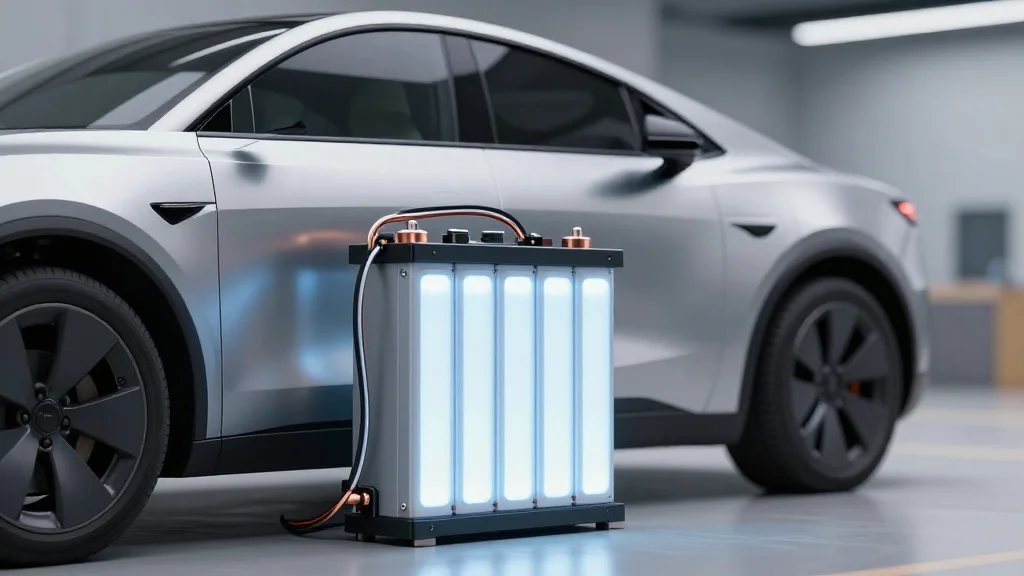
Xiaomi EV Reportedly Taps New Battery Suppliers for Second Brand to Target EREV Market
Key Takeaways
- •Xiaomi selects Sunwoda (60%) and CALB (40%) for new SUV
- •Skynomad brand targets families with $29,450 extended‑range SUV
- •Diversifying suppliers reduces Xiaomi's reliance on CATL and BYD
- •Kunlun N3 aims to compete with Li Auto L9
- •Xiaomi EV deliveries near 700k, 30k monthly in April
Pulse Analysis
Xiaomi’s decision to introduce Skynomad reflects a broader push by Chinese tech firms to diversify beyond smartphones and capture a slice of the lucrative electric‑vehicle market. By positioning Kunlun N3 as a full‑size, extended‑range SUV priced near $29,500, Xiaomi targets middle‑class families seeking a balance of range, space, and affordability. The model’s 70 kWh battery promises 400‑500 km on a single charge, aligning with consumer expectations for long‑distance travel while staying competitive against established players like Li Auto’s L9.
The partnership with Sunwoda and CALB marks a strategic shift in Xiaomi’s supply‑chain management. Historically, the company depended heavily on CATL and BYD, which together supplied over 80% of its battery needs. By allocating 60% of the Kunlun N3’s battery supply to Sunwoda and 40% to CALB, Xiaomi reduces single‑source risk and gains leverage in pricing negotiations. Both suppliers are expanding their hybrid‑battery capacities—Sunwoda with 1.5 million units installed and CALB gearing up for mass deliveries in 2026—providing Xiaomi with more cooperative partners amid a fiercely contested battery market where CATL still holds a 46.6% share.
Competition in China’s extended‑range SUV segment is intensifying, with Li Auto and Huawei‑backed Aito dominating the top‑selling models in 2025. Xiaomi’s entry at a lower price point could pressure rivals to adjust pricing or accelerate feature upgrades. Moreover, the company’s ambitious delivery targets—550,000 units for 2026 and a recent monthly peak of 30,000—signal confidence in scaling production while managing supply‑chain complexities. If Skynomad succeeds, it may encourage other OEMs to adopt similar multi‑supplier strategies, potentially reshaping the power‑battery ecosystem and accelerating EV adoption across price tiers.
Xiaomi EV reportedly taps new battery suppliers for second brand to target EREV market
Comments
Want to join the conversation?