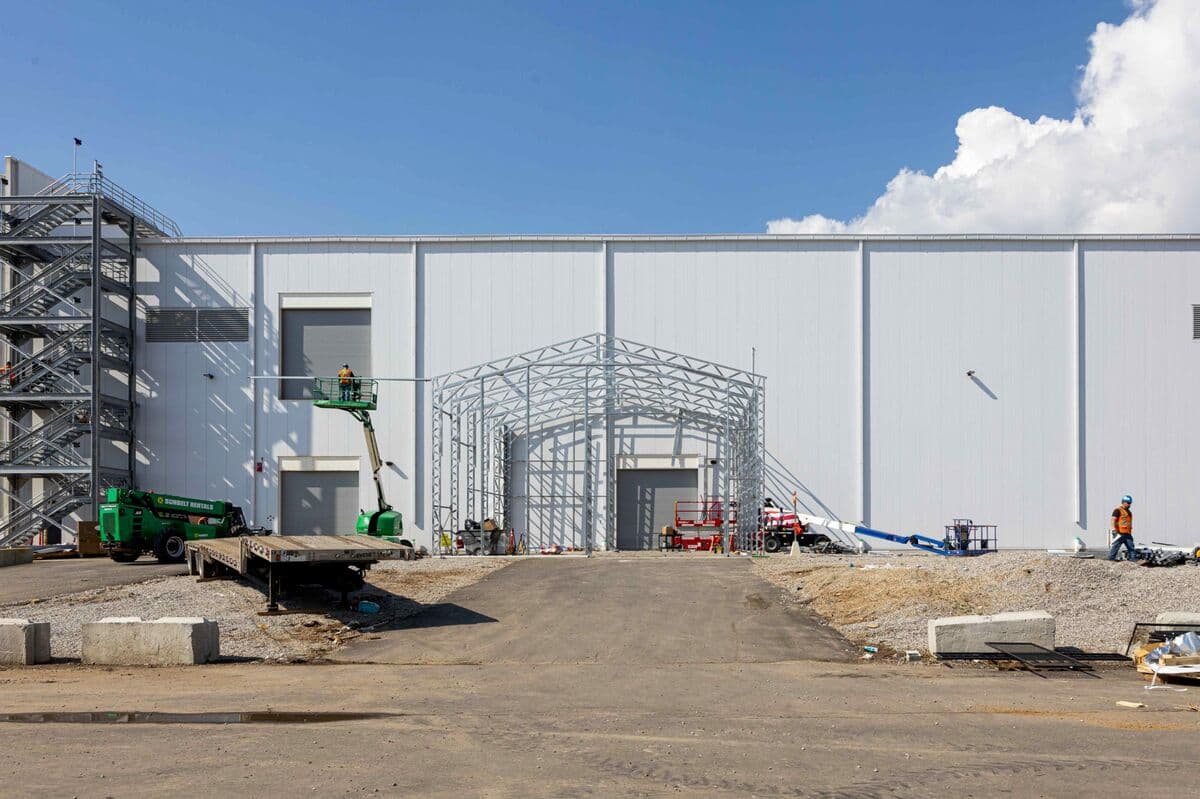
Ford and CATL Announce $3 Billion Joint Battery Plant Venture
Why It Matters
The venture revives Chinese direct investment in a strategic U.S. industry, bolstering domestic EV supply chains while signaling a possible easing of geopolitical tensions that have hampered tech collaboration.
Key Takeaways
- •Ford and CATL commit $3 billion to a Michigan battery plant
- •Plant aims to produce roughly 200 GWh of EV batteries annually
- •Project creates about 1,000 direct jobs and spurs local suppliers
- •Chinese FDI in the U.S. fell over 70% last year
- •Deal signals potential thaw in U.S.–China tech investment ties
Pulse Analysis
Ford’s partnership with CATL arrives at a pivotal moment for the American electric‑vehicle ecosystem. The $3 billion plant in Marshall will not only secure a reliable source of high‑energy‑density cells for Ford’s upcoming models but also reduce the automaker’s exposure to volatile overseas supply chains. By localizing battery production, Ford can shorten lead times, lower logistics costs, and meet tightening U.S. emissions standards, positioning itself ahead of rivals still reliant on imported modules.
The deal also carries significant geopolitical weight. After a 70 percent plunge in Chinese foreign direct investment in the United States last year, the joint venture stands out as a rare endorsement of cross‑border collaboration in a sector fraught with security concerns. President Trump, who has repeatedly warned of China’s strategic ambitions, may view the project as a pragmatic bridge—allowing American jobs and technology to flourish while keeping Chinese capital under U.S. regulatory oversight. This nuanced approach could reshape the narrative of a zero‑sum tech rivalry into a more cooperative, albeit cautious, partnership.
For the broader EV market, the Marshall plant could act as a catalyst for a new wave of domestic battery capacity. Analysts estimate that the United States needs an additional 300 GWh of annual output by 2030 to meet demand; Ford’s 200 GWh contribution narrows that gap substantially. Moreover, the project is expected to generate a supply‑chain ripple effect, attracting component manufacturers, raw‑material processors, and research institutions to the Midwest. If successful, the model may inspire other automakers and Chinese firms to pursue similar joint ventures, accelerating the United States’ transition to a clean‑energy future.
Deal Summary
Ford Motor Co. and Chinese battery maker CATL have announced a $3 billion joint venture to build a new battery plant at Ford’s BlueOval facility in Marshall, Michigan. The partnership marks a rare Chinese investment in a U.S. automotive factory and signals deeper economic ties between the United States and China. The venture is expected to boost EV production and create thousands of jobs.
Comments
Want to join the conversation?
Loading comments...