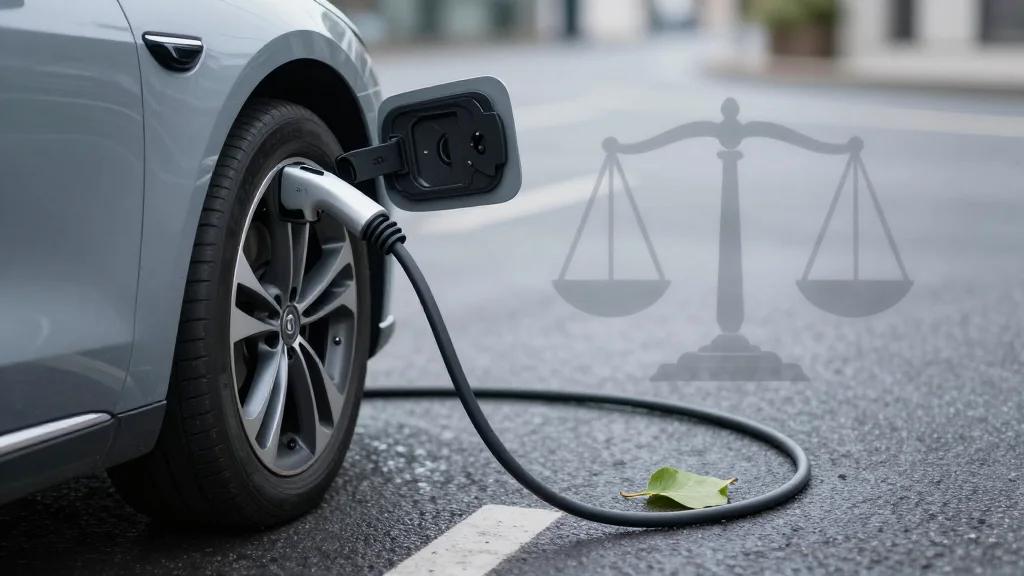
'Actions Don't Match the Narrative': EV Industry Slams HMRC Appeal Against Public Charging VAT Ruling
Why It Matters
If the appeal succeeds, VAT will remain on public chargers, raising costs for millions of drivers and slowing EV adoption. The outcome will signal how aggressively the UK will support its climate‑friendly transport agenda.
Key Takeaways
- •HMRC appealed tribunal ruling that would cut VAT on public chargers.
- •Industry says appeal penalizes drivers without home charging access.
- •Ministers accused of ignoring EV rollout and consumer affordability.
- •Potential VAT reversal could add 20% cost to public charging.
Pulse Analysis
The UK’s decision to appeal a tax‑tribunal ruling that would have eliminated value‑added tax on public electric‑vehicle (EV) chargers underscores a growing tension between fiscal policy and climate objectives. The original ruling, handed down by the First‑Tier Tribunal, interpreted existing legislation as obligating the government to treat public charging as a zero‑rated supply, effectively removing the 20% VAT charge. By challenging that interpretation, HMRC signals a willingness to preserve revenue streams, even as the nation strives to meet its net‑zero targets and expand EV infrastructure.
Industry bodies, including the Electric Vehicle Association and major charger operators, have rallied against the appeal, warning that the continued VAT burden disproportionately affects drivers without private parking or home charging capabilities. For many urban residents, public chargers are the only viable option, and a 20% tax hike could translate into several pounds per charging session, eroding the cost advantage of electric over fossil‑fuel vehicles. The added expense threatens to dampen consumer confidence, slow the projected 30% annual growth in UK charging points, and could push potential buyers back toward conventional cars.
The broader implications extend beyond immediate pricing. Retaining VAT on public chargers may signal to investors that the UK’s regulatory environment remains uncertain, potentially curbing private capital inflows into the charging market. Comparatively, several European nations have already instituted reduced or zero‑rated VAT for EV charging to accelerate adoption. As the UK balances fiscal prudence with climate commitments, policymakers will need to weigh short‑term revenue against long‑term economic and environmental benefits, possibly revisiting the tax framework to align with international best practices and sustain the momentum of the EV transition.
'Actions don't match the narrative': EV industry slams HMRC appeal against public charging VAT ruling
Comments
Want to join the conversation?
Loading comments...