Battery Debonding
Companies Mentioned
Why It Matters
The solution transforms high‑value battery packs from disposable assets into serviceable, recyclable platforms, boosting OEM profitability and supporting stricter sustainability mandates.
Key Takeaways
- •Thermal or electrical triggers enable precise, non‑destructive battery disassembly
- •Supports repair of welding defects, reducing scrap and CO₂ footprint
- •Facilitates clean material recovery for cell‑to‑pack recycling
- •Early design adoption improves total cost of ownership
Pulse Analysis
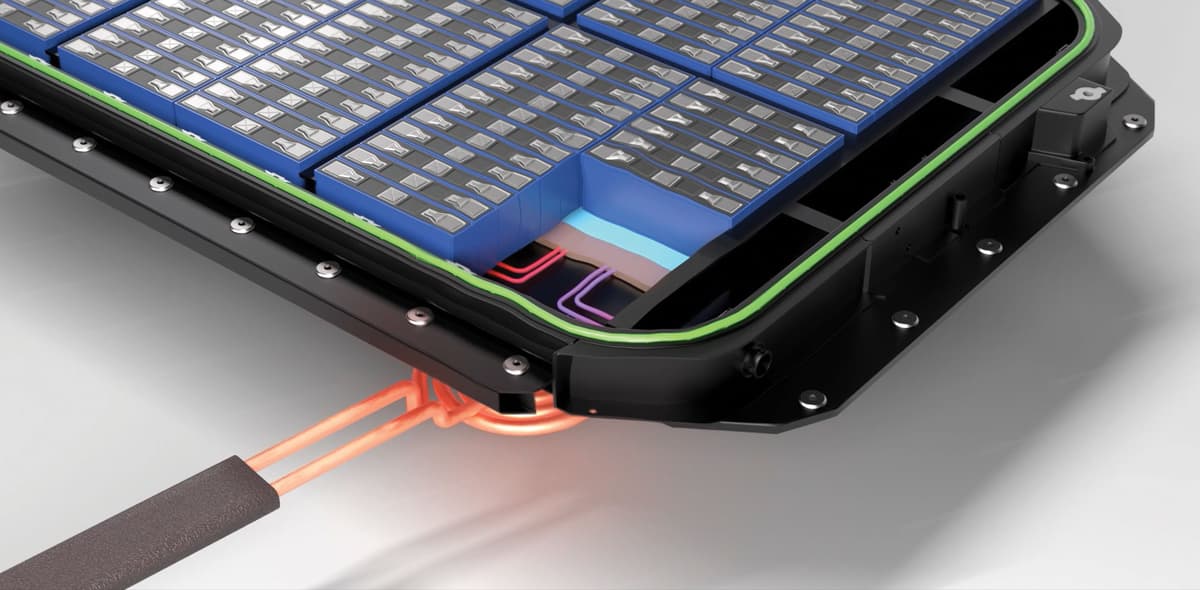
The EV market is rapidly shifting toward highly integrated cell‑to‑pack architectures, which promise higher energy density and lower vehicle weight but create a major hurdle for traditional repair and recycling methods. Conventional modular packs can be opened easily, yet the bonded structures of cell‑to‑pack designs lock cells inside housings, forcing recyclers to shred entire modules and generate low‑purity waste streams. Henkel’s debonding‑on‑demand adhesives address this gap by embedding a reversible bond layer that can be activated on command, preserving the structural integrity of the pack while allowing targeted access to individual cells or cooling plates.
From a business perspective, the technology opens new service models for OEMs and battery manufacturers. Thermal activation—via induction heating or integrated heaters—offers a straightforward retrofit for factories already equipped with temperature‑controlled processes. Electrical activation, which requires conductive surfaces, provides even finer control, enabling selective module replacement or second‑life upgrades without dismantling the whole pack. These capabilities translate into lower warranty costs, extended product lifecycles, and higher resale values for used EVs, aligning with consumer expectations for sustainable mobility.
Regulatory pressure is also accelerating adoption. Emerging EU and US battery legislation mandates higher recycling rates and transparent material tracking, penalizing manufacturers that rely on destructive shredding. By delivering clean separation and higher recovery yields, Henkel’s solution helps OEMs meet compliance while enhancing their sustainability credentials. Coupled with Henkel’s broader portfolio of structural adhesives and thermal interface materials, the debonding system positions the company as a strategic partner in the evolving circular‑economy ecosystem of electric vehicles.
Battery debonding
Comments
Want to join the conversation?
Loading comments...