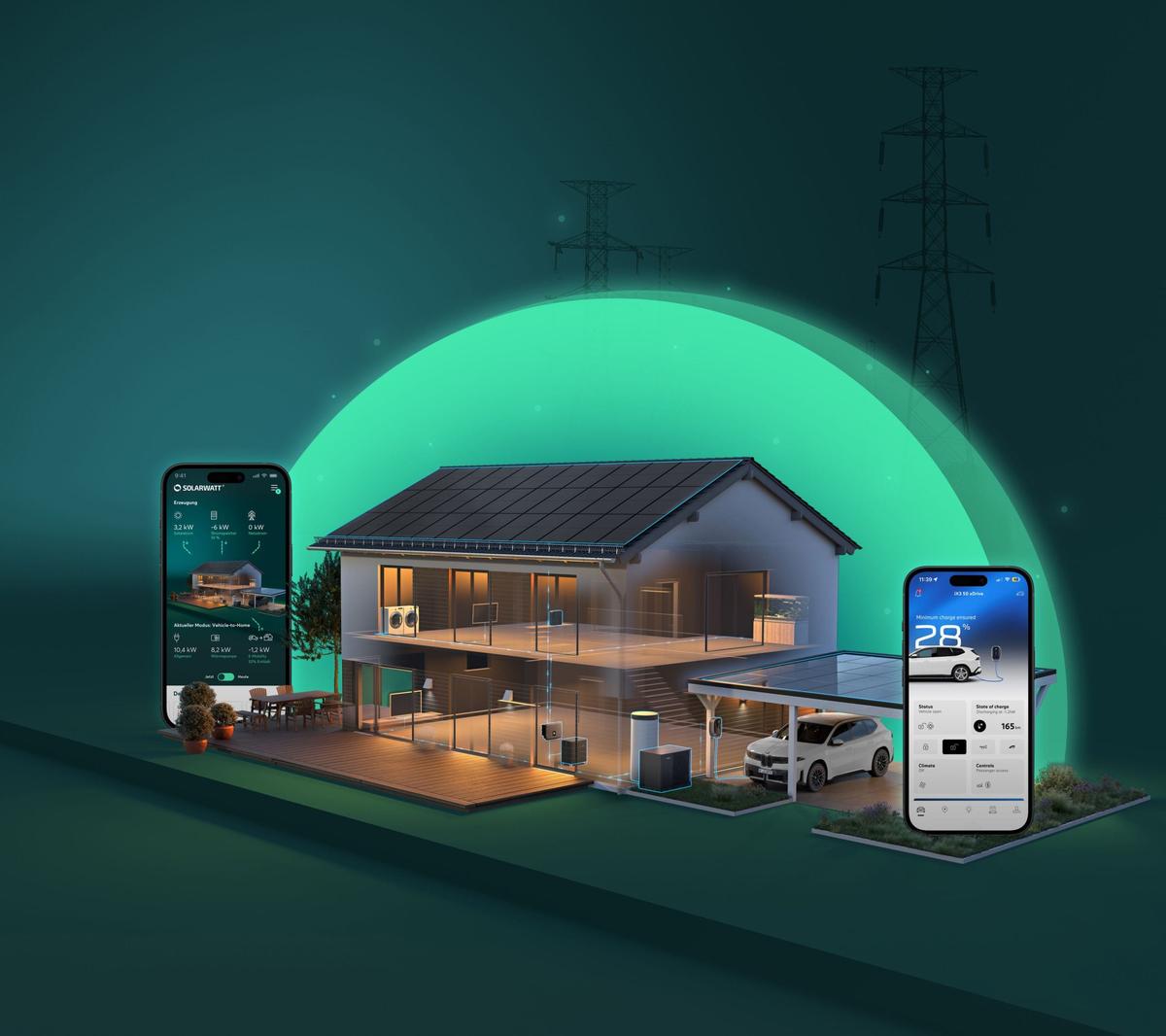
BMW Addresses Home Energy Opportunity with Neue Klasse and Partner
Companies Mentioned
Why It Matters
By turning EV batteries into distributed storage, BMW and SOLARWATT aim to boost self‑consumption of solar power and ease grid pressure, accelerating Europe’s renewable energy transition.
Key Takeaways
- •BMW iX3 and i3 gain bidirectional charging capability
- •SOLARWATT HEMS links EVs, PV, and home batteries
- •V2H rollout targets Germany, Austria, Netherlands in late 2026
- •Partnership expands BMW‑SOLARWATT collaboration since 2013
- •EV batteries become grid‑supporting storage, lowering household electricity costs
Pulse Analysis
The convergence of electric mobility and residential solar is reaching a tipping point, and BMW’s latest partnership with SOLARWATT exemplifies that shift. After debuting Germany’s first commercial vehicle‑to‑grid (V2G) service earlier this year, BMW is extending the concept to vehicle‑to‑home (V2H) by embedding bidirectional charging in its Neue Klasse models. Leveraging the SOLARWATT Home Energy Management System, the automaker can orchestrate energy flows between the car, rooftop photovoltaics, and home‑based batteries, creating a seamless, intelligent micro‑grid for consumers.
For homeowners, the practical upside is clear: an EV becomes an additional, flexible storage unit that can absorb excess solar generation during the day and discharge it when grid rates peak or supply dips. This boosts self‑consumption rates, trims reliance on costly grid electricity, and maximizes the return on solar investments. The integration also simplifies system management—drivers can monitor and control charging, discharging, and overall household demand through a unified interface, reducing the complexity that has traditionally hampered broader adoption of home energy storage.
On a macro level, aggregating thousands of bidirectional EVs could provide a substantial, fast‑acting reserve for European power grids strained by intermittent renewables. By participating in demand‑response programs or ancillary services, these mobile batteries can help balance supply, defer costly infrastructure upgrades, and accelerate the decarbonization agenda. BMW’s rollout in Germany, Austria, and the Netherlands positions the brand at the forefront of this emerging market, signaling to competitors that integrated mobility‑energy solutions are no longer a niche but a strategic imperative. The partnership’s success could reshape utility‑consumer dynamics and set a template for similar collaborations worldwide.
BMW addresses home energy opportunity with Neue Klasse and partner
Comments
Want to join the conversation?
Loading comments...