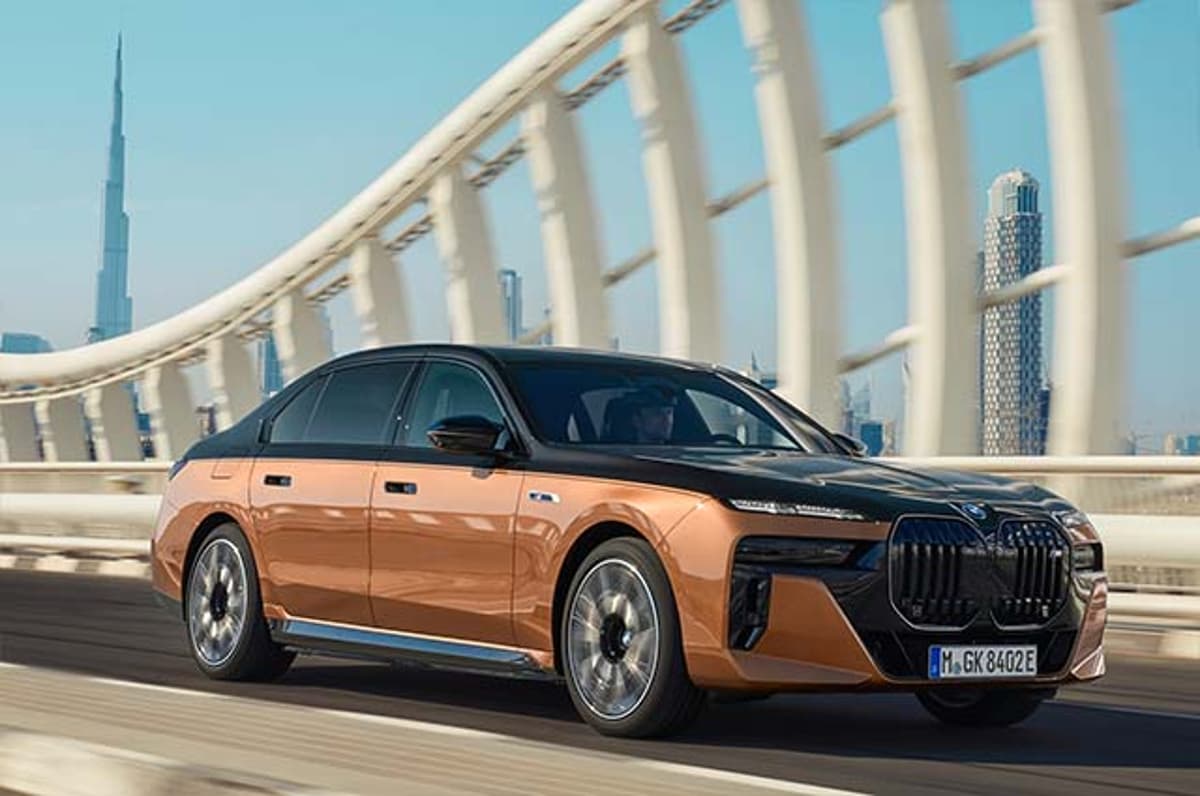
BMW I7 Sustainability Upgrades Cut Battery Supply Chain Emissions by 33%
Companies Mentioned
Why It Matters
Reducing battery‑production emissions directly improves the overall lifecycle carbon intensity of premium EVs, giving BMW a competitive edge as consumers and regulators demand greener luxury. The measures also demonstrate how high‑end manufacturers can meet ambitious climate targets without sacrificing performance.
Key Takeaways
- •Gen6 battery cells slash supply‑chain emissions by ~33%
- •Recycled‑content wheels will contain up to 70% secondary aluminum by 2026
- •Dingolfing plant sources 100% external electricity from renewables
- •BMW aims to cut 40 million tonnes CO₂e by 2030
Pulse Analysis
BMW’s latest i7 refresh tackles the most carbon‑intensive stage of an electric vehicle – battery production – by introducing Gen6 cells built entirely on renewable power and incorporating recycled lithium, cobalt and nickel. This shift not only trims the battery’s supply‑chain carbon footprint by a third but also sets a benchmark for other premium automakers seeking to decarbonise their core components. As battery manufacturing accounts for a sizable share of an EV’s total emissions, such improvements can meaningfully lower the vehicle’s overall lifecycle impact, enhancing its appeal to eco‑conscious buyers.
Beyond the battery, BMW is extending its sustainability agenda to the vehicle’s structural elements and factory operations. Beginning in 2026, selected i7 wheel designs will feature up to 70% secondary aluminum, reducing raw‑material extraction while preserving durability. At the Dingolfing plant, BMW has achieved 100% renewable sourcing for external electricity and added a near‑11 MW rooftop solar array plus a biomass heating system, further shrinking manufacturing‑related emissions. These initiatives illustrate a holistic approach that integrates material circularity with clean energy adoption across the production chain.
Strategically, the i7 upgrades reinforce BMW’s commitment to its 2050 net‑zero ambition and its interim target of cutting 40 million tonnes of CO₂e by 2030. By delivering a luxury EV that marries performance with measurable carbon reductions, BMW strengthens its market positioning amid tightening emissions regulations and rising consumer expectations for sustainable mobility. The move also signals to the broader industry that premium brands can achieve substantial environmental gains without compromising the hallmark refinement associated with high‑end automobiles.
BMW i7 Sustainability Upgrades Cut Battery Supply Chain Emissions by 33%
Comments
Want to join the conversation?
Loading comments...