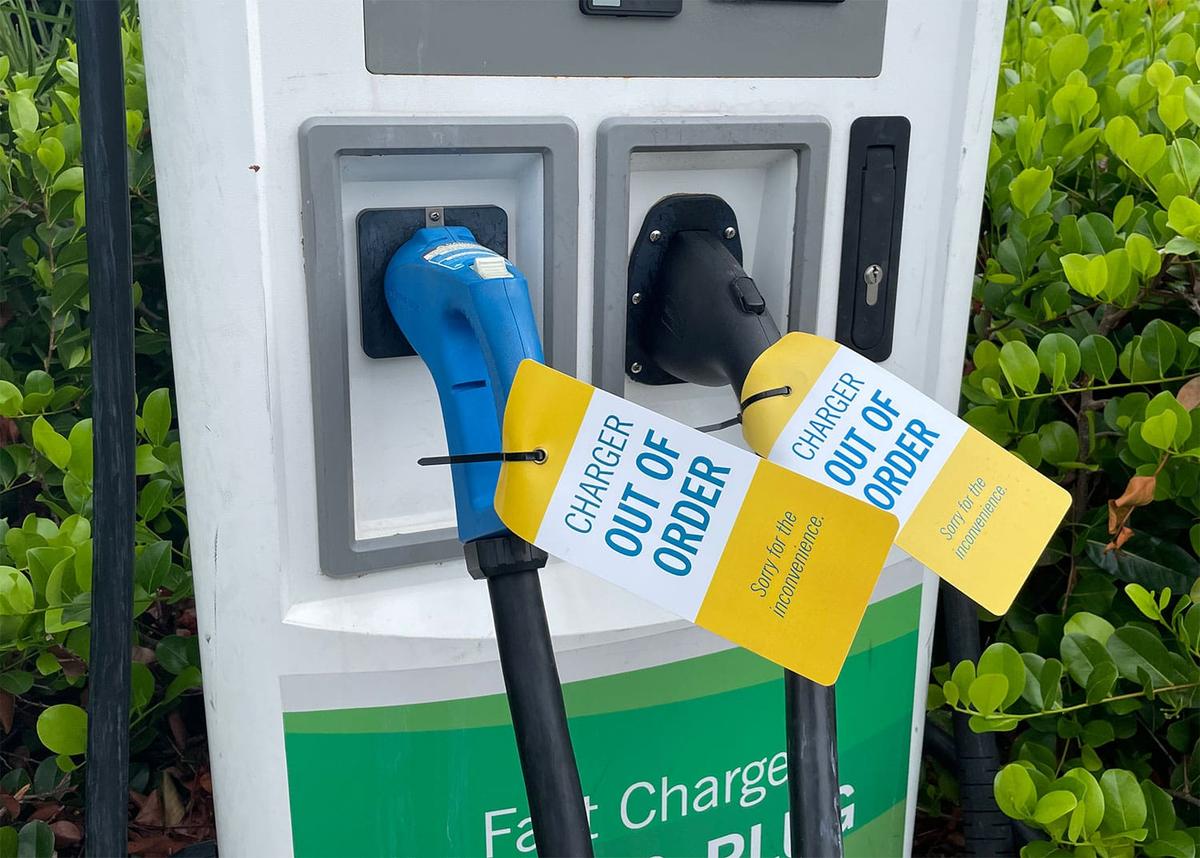
Brooklyn Navy Yard to Launch EV Charging Workforce Training Program
Why It Matters
A skilled workforce is essential for scaling New York’s EV charging infrastructure, directly supporting the city’s climate goals and creating well‑paid jobs for residents. The training pipeline also helps mitigate the industry’s current technician shortage, accelerating adoption of electric vehicles.
Key Takeaways
- •NYPA funds $450K EV charger technician training program
- •Program launches at Brooklyn Navy Yard with SmarterHelp partnership
- •Curriculum covers electrical codes, energy fundamentals, and charger repair
- •Graduates earn certifications and job placement in New York's EV sector
Pulse Analysis
New York’s aggressive electrification targets have spotlighted a critical bottleneck: qualified technicians to install, maintain, and repair EV charging stations. While the state aims to host over 30,000 public chargers by 2030, industry surveys reveal a shortage of skilled labor that could slow deployment and increase costs. Workforce development initiatives, like the one at Brooklyn Navy Yard, are emerging as strategic solutions to bridge this gap, ensuring that infrastructure growth keeps pace with vehicle adoption.
The $450,000 grant from the New York Power Authority fuels a collaborative effort between the Brooklyn Navy Yard Development Corporation and SmarterHelp, a spin‑off focused on EV‑charging education. Housed in a purpose‑built Smart Lab, the part‑time curriculum blends classroom theory with hands‑on experience on real‑world charging equipment. Trainees master electrical system codes, energy fundamentals, and the nuances of charger diagnostics, culminating in industry‑recognized credentials. By linking graduates with job‑placement services, the program creates a direct pipeline from training to employment, addressing both skill shortages and local unemployment.
Beyond immediate staffing needs, the initiative signals a broader shift toward inclusive, green job creation in urban centers. Deputy Mayor Julie Su emphasizes that accessible, part‑time training can uplift communities historically excluded from high‑tech careers, aligning economic mobility with climate action. If successful, the model could be replicated in other municipalities seeking to scale EV infrastructure while fostering a resilient, locally sourced workforce. Stakeholders—from utilities to automakers—stand to benefit from a steady supply of certified technicians ready to support the next wave of electric mobility.
Brooklyn Navy Yard to launch EV charging workforce training program
Comments
Want to join the conversation?
Loading comments...